



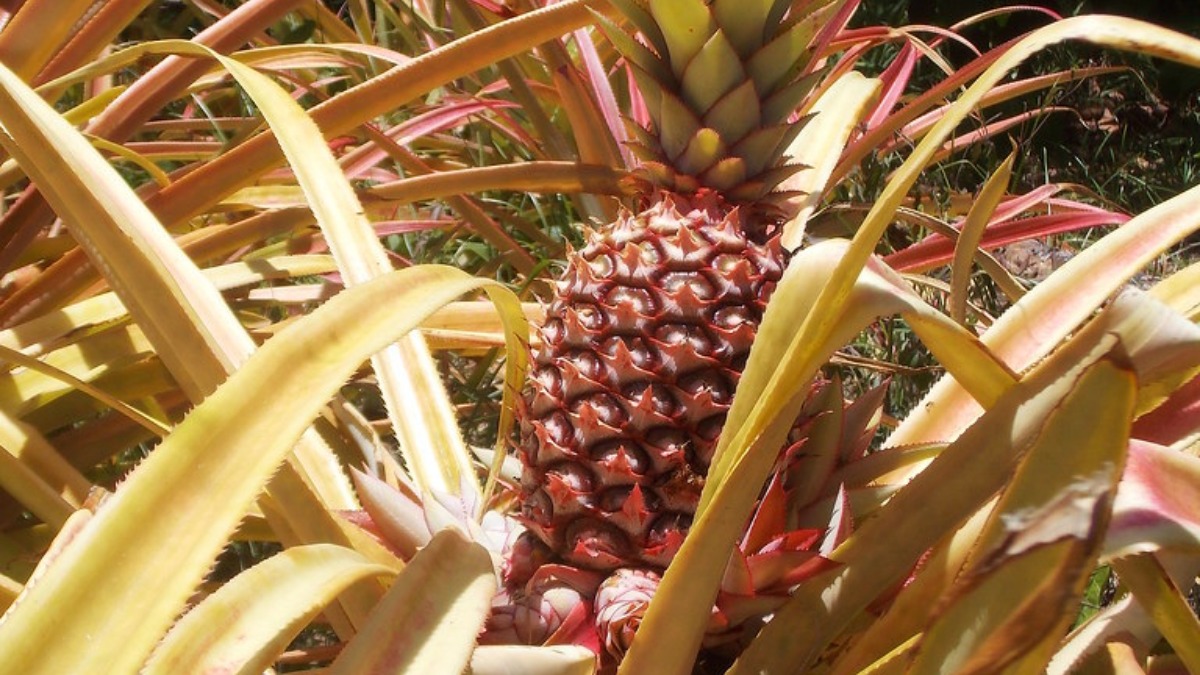

A video circulating on X has sparked discussion about pineapples sold without their tops, reigniting a broader debate about whether companies should be allowed to patent food. Pineapples, like many other fruits and vegetables, can typically be grown at home if the buyer keeps the stem or leaves from the original plant. The clip in question shows a small pineapple plant alongside text explaining that cutting the top off a pineapple and planting it in dirt will produce a new pineapple after roughly two years.
The story gained traction when reported by the Daily Dot, after the post drew thousands of reactions from users invested in home gardening. Several people shared their own results, including one user from Iowa who posted a photo of a pineapple plant grown from a discarded top, noting it had taken about two years and that two more were now growing on the same plant. The discussion soon shifted toward a specific brand connected to the practice of removing pineapple crowns before sale.
One user identified the fruit in question as Fresh Del Monte’s Pink Glow Pineapple, a “designer fruit” that reportedly took 16 years to develop. The variety features a natural pink coloring and a less acidic flavor than standard yellow pineapples, and it is mostly sold online, though some grocery stores carry it as well. Del Monte holds a patent on the strain, and the fruit is sold without its leaves, which prevents buyers from using the crown to grow their own plant at home.
Critics argue a living organism should not be treated like a manufactured product
The pineapple’s removed crown is not the only food packaging detail drawing scrutiny lately, amid growing public attention on portion sizes and how companies present what they sell, as seen in one debate over a steakhouse’s shrinking kids’ portions. The conversation around Del Monte’s pineapple specifically centers on whether a living organism can or should be restricted through patent law in the same way as a manufactured product.
Some commenters argued that any plant capable of growing in the wild should not be subject to the same ownership protections as designed goods. The debate also touched on accessibility, since the Pink Glow Pineapple remains a niche product compared to standard grocery store pineapples.
A separate viral moment surrounding food pricing claims, similar to one TikToker’s accusation against a restaurant chain over a shrunk appetizer, shows how often these disputes over what customers are getting for their money continue to surface online. The Daily Dot reported that it was unable to independently verify the claims made by users on X regarding the exact reasons Del Monte removes the pineapple’s crown before sale or the full scope of the company’s patent restrictions.









Published: Jun 18, 2026 08:15 am