



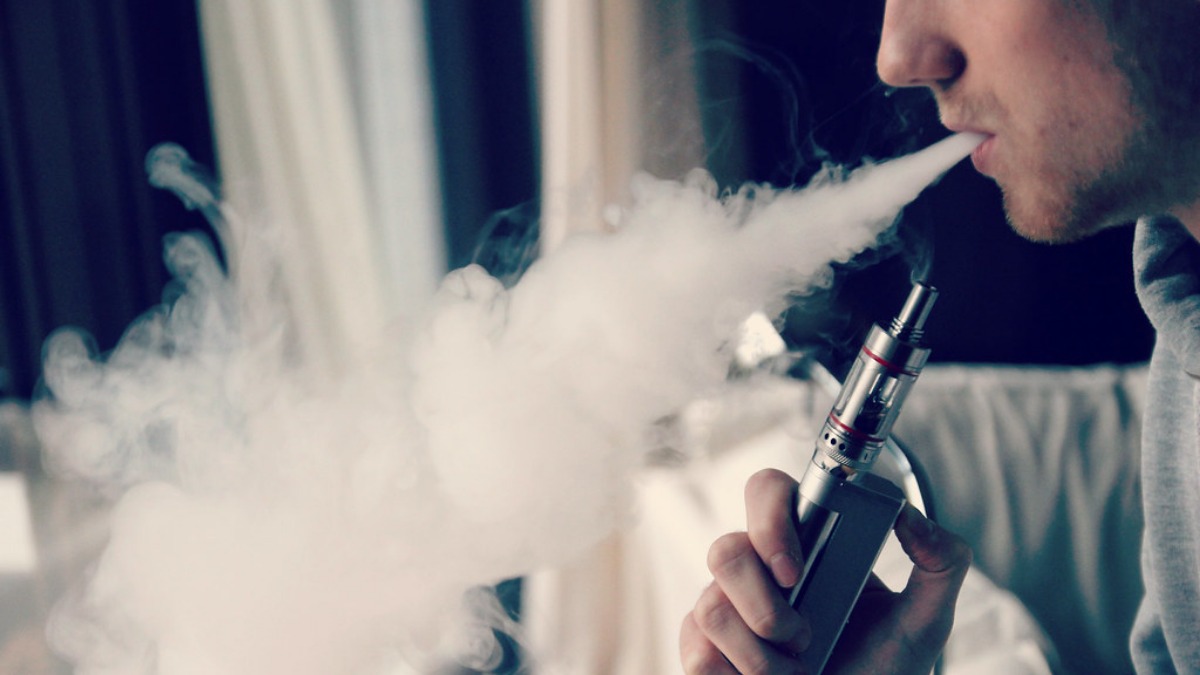

A new digital simulation created by YouTuber X-Ray Buddy offers a detailed look at how vaping and smoking physically alter the lungs over time. As highlighted by LADbible, the simulation breaks down both the immediate and long-term consequences of each habit, providing a visual account of what happens inside the respiratory system with every puff.
When a cigarette is smoked, the immediate response includes a noticeable increase in heart rate and dryness of the airways. Continued use introduces tar into the body, a substance that coats the small protective hairs in the lungs known as cilia, as well as the delicate air sacs. That damage does not resolve quickly, its effects on the lungs can persist for days and weeks after a single cigarette.
Vaping produces a different set of problems. Using a vape sends an aerosol, a mixture of nicotine, various chemicals, and ultrafine particles, directly into the lungs, often triggering throat irritation and chest tightness. While the mechanism of injury differs from traditional smoking, the impact on the respiratory system is still significant.
The weeks-long damage timeline is harder to ignore than any warning label
As weeks pass, the effects compound. For smokers, the inhalation of carbon monoxide contributes to what is described as an oxygen debt in the lungs. Vapers, meanwhile, deal with persistent lung inflammation that can lead to an uncomfortable buildup of mucus. These are not temporary irritations. As weeks turn into years, repeated exposure to inhaled toxins significantly raises the risk of lung disease, cardiovascular complications, and various cancers.
The question of whether vaping is a healthier alternative to smoking remains widely debated, though the framing matters. For current smokers, research does suggest vaping carries lower short- and medium-term risk. The NHS has referenced a 2022 study indicating that switching from smoking to vaping can reduce exposure to many of the toxins linked to heart disease, stroke, and cancer.
New York has moved to treat social media platforms with tobacco-style health warnings for young users, reflecting how broadly regulators are now applying that framework. Still, vaping is not safe in isolation, most e-cigarettes contain nicotine, and while regulated vapes in the UK ban certain harmful chemicals, inhaling manufactured substances carries its own risks.
The long-term picture is becoming clearer through recent research. A comprehensive review of more than 100 studies published since 2017 concluded that nicotine vaping is likely to cause both lung and oral cancers, as detailed by Science Alert. Researchers Freddy Sitas and Bernard Stewart, who co-authored the study, warned against repeating the historical mistakes made with cigarettes, where it took nearly a century to establish the link between smoking and cancer.
That research, published in the journal Carcinogenesis, grouped findings into three categories: human studies showing biomarkers of DNA damage and inflammation, mouse studies in which animals developed lung tumors after exposure to vape aerosol, and lab analyses revealing how compounds in vape liquid damage cells. Some case reports also flagged heavy vapers presenting with aggressive oral cancers and no other traditional risk factors. Concerns about consumer transparency over what is actually in the products people regularly consume have drawn fresh scrutiny in other contexts too, including a recent Trader Joe’s caffeine mislabeling lawsuit filed in California.
One of the most concerning patterns emerging from real-world data is dual use. Many people never fully switch from smoking to vaping, and a 2024 study found that individuals who do both face a four-fold higher risk of lung cancer compared to those who only smoke. Young people who have never smoked are also being introduced to nicotine through vaping, with evidence suggesting they are three times more likely to eventually become regular cigarette smokers.
Sitas noted that we should not wait another 80 years to reach conclusions about vaping the way it took that long to act on cigarettes.








Published: Apr 29, 2026 07:30 pm