



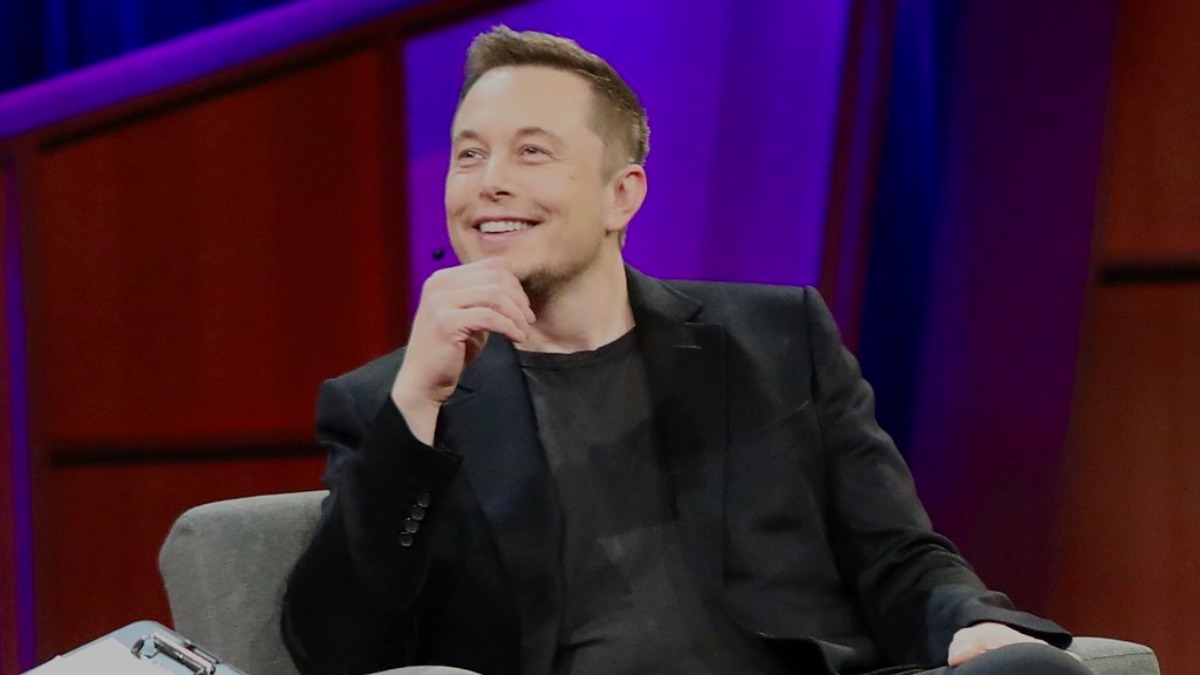

Elon Musk has officially become the world’s first trillionaire, as reported by The Hill. This historic milestone follows the highly anticipated stock market debut of SpaceX on the Nasdaq, a move that has pushed Musk’s personal net worth into unprecedented territory. While the tech mogul was already recognized as the richest person on the planet, this specific public offering has solidified his financial standing far beyond any other individual billionaire.
The market reaction to the SpaceX IPO was nothing short of explosive. Shares opened at $150, which represents a significant 11 percent jump over the initial public offering price of $135. Given that SpaceX aimed to raise $75 billion at a valuation of $1.77 trillion, the opening price effectively launched the company with a massive valuation of $1.96 trillion. This event officially stands as the largest IPO in history, marking a massive win for the company that began as a small rocket startup in 2002.
Speaking from Starbase, Texas, Musk reflected on the journey of his aerospace firm. “It is certainly hard to believe that a little company that started in a warehouse in El Segundo is now going public with the largest IPO ever,” Musk said. He offered a candid look at his past outlook regarding the company’s potential. “Let me tell you, if people had told me that this was going to happen, I was like, ‘Man, you must be smoking some really good crack because I think this company’s going to fail.’”
It is worth noting that this wealth is largely held in paper assets rather than liquid cash
Before this IPO, Musk was worth about $790 billion, with his wealth primarily tied up in his various business ventures. Michael Morris, a professor of leadership at Columbia Business School, highlighted that this status is not exactly like winning a lottery. Morris explained, “It’s not like somebody winning the lottery. It’s money that is his on paper, but with different time horizons of being available.”
The road to this trillion-dollar valuation has been long, and it has attracted its fair share of criticism and analysis. Some market experts, including Morningstar’s chief equity strategist Michael Field, have expressed skepticism regarding the current valuation. Field noted that while the business has real strengths, particularly with Starlink, the valuation seems extremely speculative due to the unknown and untested technologies currently underpinning the AI side of the business.
Morningstar had previously estimated a value of $63 per share, which is a stark contrast to the $135 IPO price. Conversely, analysts like Dan Ives of Wedbush Securities remain optimistic. Ives suggested that for many investors, buying into SpaceX is effectively buying into Musk himself, noting that betting against him in the early days of Tesla proved to be a historically wrong move.
This IPO is also part of a larger trend of high-profile AI companies looking to hit the public markets. SpaceX is now considered an AI play following its acquisition of Musk’s xAI earlier this year. The company is joined in this pivot by others like OpenAI and Anthropic, both of which have recently filed paperwork to go public. These firms appear eager to secure additional funding to manage the high costs associated with AI development.
However, the timing for these other debuts remains uncertain. OpenAI recently mentioned that it has not decided on the timing yet, noting that some goals are easier to accomplish as a private company. Similarly, Anthropic stated that its recent filing provides the option to go public, but the final offering remains dependent on market conditions.
The sheer scale of Musk’s wealth has sparked broader discussions about economic inequality and the influence of tech leaders. With a net worth now reaching the trillion-dollar mark, Musk’s financial power exceeds that of all but 21 of the world’s economies. Nabil Ahmed, senior director of economic justice at Oxfam America, described this as “a frightening new peak for economic inequality.”






Published: Jun 12, 2026 05:30 pm