



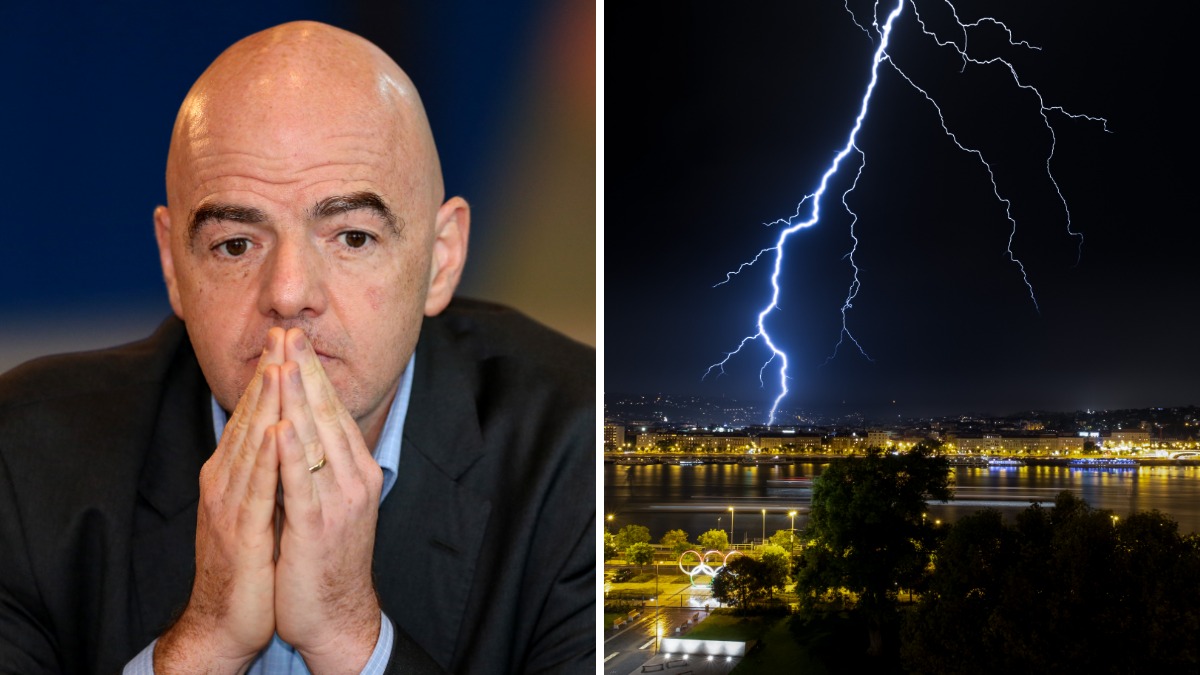

Judging by skyrocketing ticket prices and expensive transportation, I think the FIFA World Cup 2026 is tied to a couple of controversies. These issues aside, according to the Daily Mail, it looks like a safety concern could ruin the World Cup experience for Americans. Since the weather can be unpredictable in the summer, fans might have to wait for hours before the game resumes.
Why? Well, the US uses strict domestic lightning safety standards for outdoor events, which means World Cup games will likely receive similar treatment. However, it appears that these safety measures might collide with FIFA, which, per The Athletic, doesn’t have a universal “cut-off” time after which a match is automatically rescheduled. So, if the weather gets bad, fans can expect hours of delay, as the game might not be rescheduled.
The United States, Mexico, and Canada all usually face thunderstorms in summer. Coming back to America’s lightning safety standards, once a strike is detected within an 8 to 10-mile radius, the sporting event is paused for 30-minutes. All the athletes and coaches leave the field, while the audience seeks shelter. The event resumes if no other lightning strike is observed in this 30-minute window. However, if it is detected, the timer restarts. So, if it actually happens, fans can expect a several-hour delay, which could ruin their experience.
It looks like some fans have already experienced this issue in 2025
I think this issue will remain a risk, but it appears that four sports venues in America won’t worry fans, as they have fixed or retractable roofs. These venues include: Mercedes-Benz Stadium in Atlanta, NRG Stadium in Houston, SoFi Stadium in Los Angeles, and AT&T Stadium in Dallas. Yes, it looks like FIFA doesn’t have a specific delay threshold after which the game is rescheduled, but the source says FIFA will look into the matter on a case-by-case basis.
In a statement regarding weather concerns, the authority said, “FIFA’s emergency preparedness team meets regularly with national meteorological and emergency management authorities in the United States, Canada, and Mexico, as well as with partners across all 16 Host Cities.” It also reportedly weighed in on venues being prepared and ready for evacuation during extreme weather.
While this concern appears to have emerged because the World Cup 2026 is just around the corner, something similar had already happened in 2025. The game between Benfica and Chelsea in Charlotte, North Carolina, reportedly lasted for around 4.5 hours during the 2025 summer FIFA Club World Cup. This happened due to bad weather, which delayed the match by nearly 2 hours.
With that in mind, I get where this concern is coming from. If something similar happened, fans might experience this delay throughout multiple matches. Though FIFA and the venues will likely be prepared, so maybe it’s not something to worry too much about.





Published: Jun 4, 2026 02:30 pm