



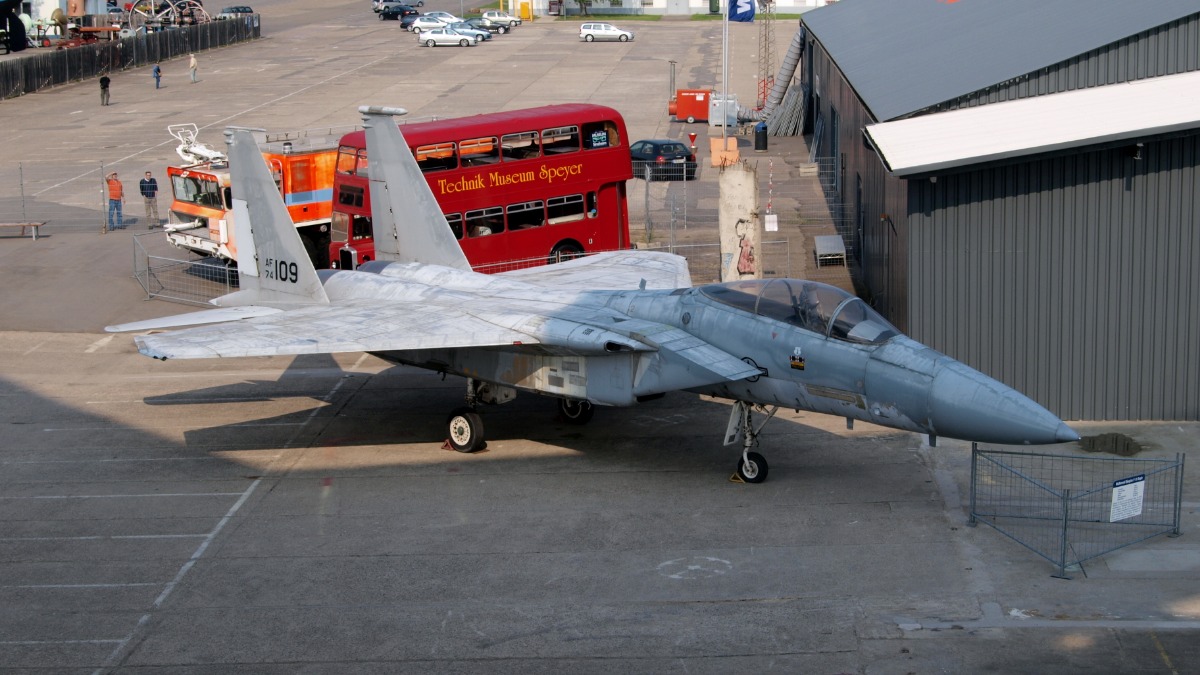

US special forces have successfully rescued the second crew member of an F-15 fighter jet that Iran shot down, according to three US officials. The operation ended a multi-day ordeal in which the missing weapons system officer evaded capture in the mountains of Iran for over 24 hours while both US forces and Iran’s Islamic Revolutionary Guard Corps (IRGC) raced to find him.
Iran shot down the F-15 over a remote area of the country on Friday. It was the first time a US fighter jet had been shot down in combat in over two decades. Photos of the wreckage released by Iranian media were consistent with an American F-15, according to weapons experts.
Both crew members made contact through their communication systems after ejecting from the aircraft. The pilot was rescued within hours of the plane going down. According to Axios, Iran struck a US Blackhawk helicopter during that initial rescue, wounding some crew members, though the aircraft was still able to fly and get the pilot to safety. President Trump later said the US military did not immediately confirm Friday’s rescue of the pilot in order to protect the ongoing search for the second crew member.
The CIA ran a deception campaign inside Iran while quietly tracking the wounded colonel’s exact location
The second crew member, a colonel serving as the weapons system officer, sustained injuries after ejecting but was still able to walk. He evaded capture in the mountains of southwest Iran for more than a day. As President Trump later put it, the officer was essentially behind enemy lines, being hunted by enemies who were getting closer by the hour.
While he was hiding, the CIA launched a deception campaign, spreading word inside Iran that US forces had already located him and were attempting a ground exit. A senior administration official described the situation as the “ultimate needle in a haystack,” but said it was a “brave American soul inside a mountain crevice, invisible but for CIA’s capabilities.” The CIA used what officials described as “unique capabilities” to pinpoint his location.
Once his precise location was confirmed, the CIA immediately shared it with the Pentagon, the US military, and the White House. President Trump ordered a rescue mission without delay. He remained in the Oval Office throughout Saturday, receiving constant updates from Secretary of Defense Pete Hegseth, who was following the operation from the White House Situation Room.
The rescue was carried out by a specialized commando unit with heavy air cover. US Air Force jets conducted strikes against Iranian forces to prevent them from reaching the area where the officer was hiding. One official said US forces unleashed a “hail of heavy fire” to clear the path for the rescue team. All US forces involved in the operation have since safely left Iran. Trump later described it as “one of the most daring search and rescue operations in US history.”
According to CBS News, President Trump personally confirmed the rescue on Truth Social, writing, “WE GOT HIM!” He said the officer was “SAFE and SOUND,” despite having “sustained injuries but will be just fine.” He also noted that at his direction, the US military sent “dozens of aircraft, armed with the most lethal weapons in the World, to retrieve him.”
The F-15 was not the only aircraft lost on Friday. Iran also shot down an A-10 attack aircraft, though its pilot was able to fly to friendly territory and eject safely over the Persian Gulf before being recovered. Iran’s ability to hit multiple US aircraft in a single day raises serious questions about US claims of unchecked air dominance over Iran. Trump had previously stated that the US had destroyed Iran’s military capacity, making these losses all the more significant.
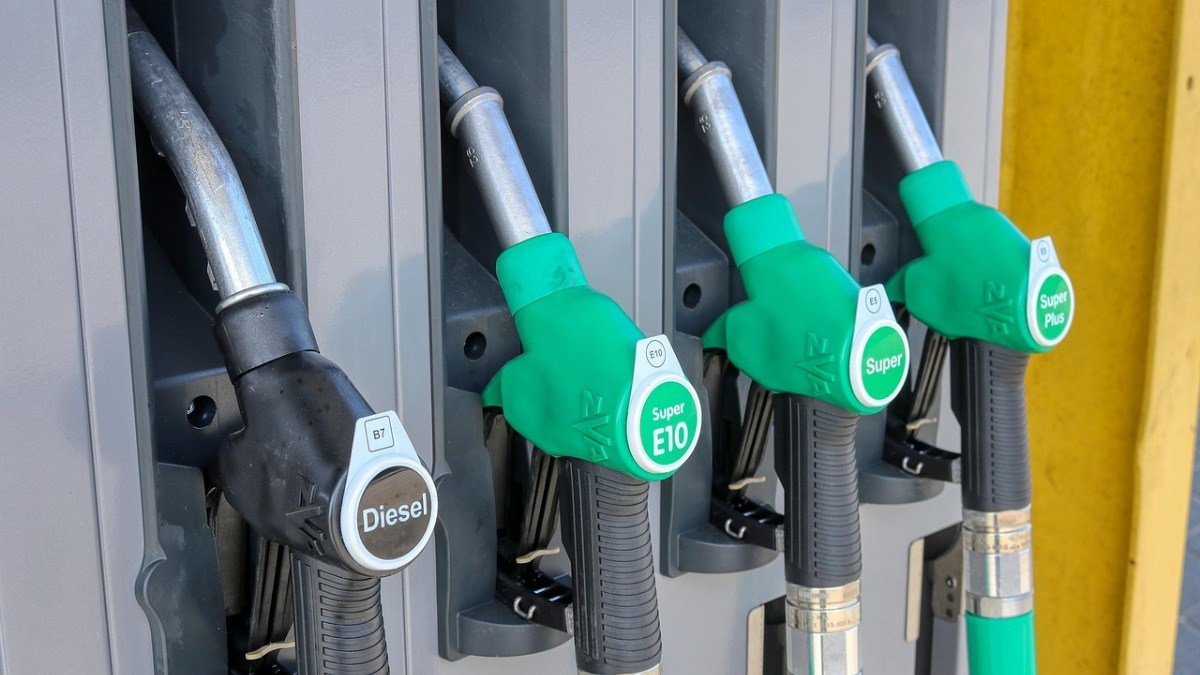
On the diplomatic front, progress in indirect talks between the US and Iran has stalled. Trump issued a warning on Saturday, stating that “hell will reign down” on Iran if they do not open the Strait of Hormuz within 48 hours. Reports have also revealed that the true extent of the Iran embassy damage was far worse than US officials initially admitted. The strait handles around 20% of global oil traffic, and its effective closure since the war began has caused fuel prices to rise sharply worldwide.


Published: Apr 5, 2026 01:00 am