



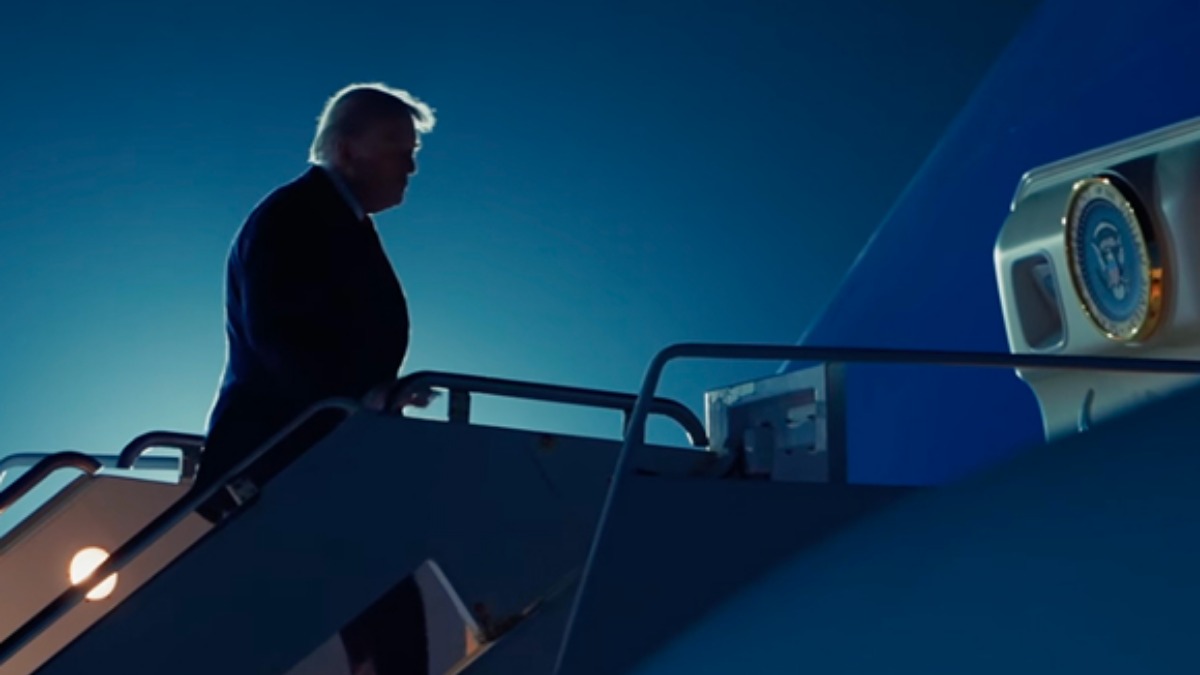

President Trump has hit a difficult milestone in his time in office as his job approval rating dropped to a record low of 34 percent. This figure, captured in the latest YouGov/Economist survey conducted between May 22, 2026, and May 26, represents the lowest level recorded during either of the president’s two terms. He now holds the title of the most unpopular president since this specific polling series began in 2009.
The data includes responses from 1,520 people and carries a margin of error of 3.6 percentage points, making these findings quite significant for the current political climate. The scope of this dissatisfaction is broad, and it is hitting the president across the political spectrum. While his support among Republicans remains higher than it was during the low points of his first term, it is still slipping.
Currently, his net approval among Republicans stands at 61 percent, which is a drop of 30 points since January 2025. When you look at Democrats and independents, the numbers are even more stark. Among Democrats, the president’s net approval is at negative 96 percent, and among independents, it sits at negative 44 percent. These are new record lows for his tenure, and they suggest that the president is struggling to maintain his coalition even as he continues to see success in party primaries.
It is a striking shift that places the president in a precarious position
Part of this trend involves the president’s ability to influence the Republican Party at the ballot box. He has seen recent wins, such as the victory of Texas attorney-general Ken Paxton, who secured the Republican nomination for a Senate seat after receiving the president’s endorsement. Other politicians who opposed him, such as Louisiana senator Bill Cassidy and Kentucky congressman Thomas Massie, have been ousted from their positions.
The primary drivers of this decline seem to be centered on economic anxiety and foreign policy. The president’s net approval rating for his handling of the economy is dragging him down significantly, and the situation is compounded by a net approval rating of negative 20 for his foreign policy, largely attributed to the ongoing war in Iran.
The economic sentiment is particularly rough right now. About 63 percent of respondents report that they believe the economy is getting worse, a figure that has held steady for two weeks. Only 13 percent think things are improving. These numbers are a massive departure from the optimism that followed his election victory in 2025.
Inflation and gas prices are playing a huge role in this frustration. The president’s net approval for his handling of inflation and prices has hit a negative 43, which is the lowest it has been during his current term. Before the war in Iran started, the average price for a gallon of gas was under $3, but that has since climbed to $4.48.
Treasury Secretary Scott Bessent has promised that help is on the way, but with the administration’s inconsistent messaging regarding the war, many Americans are remaining skeptical. When you combine this with the fact that 43 percent of Americans feel they and their families are worse off financially than they were a year ago, it is easy to see why the administration is facing such a steep climb.
This data is certainly going to cause some anxiety for Republicans as they look toward the upcoming midterm elections. The current forecasting model suggests that Democrats have a nine-in-ten chance of taking control of the House of Representatives, while the Senate remains a total toss-up. Projections show that dissatisfaction with the president is widespread, even in states that supported him during the 2024 election.
While white and male voters remain more likely to approve of his performance, other groups are increasingly unhappy. Younger voters, ethnic minorities, and even college graduates are among those who strongly disapprove of his work. Even voters of pension age, who typically form a solid Republican base, are showing a surprising level of indifference or disapproval.
It is a reminder that while political figures can influence the direction of their party, they are often subject to forces outside of their control. Just as public opinion in the past was shaped by the pandemic and global conflicts, the current economic and geopolitical environment is defining the president’s legacy. Whether this trend can be reversed before the midterms remains to be seen, but for now, the numbers tell a story of a president facing his toughest period of public scrutiny yet.






Published: May 29, 2026 05:15 pm