



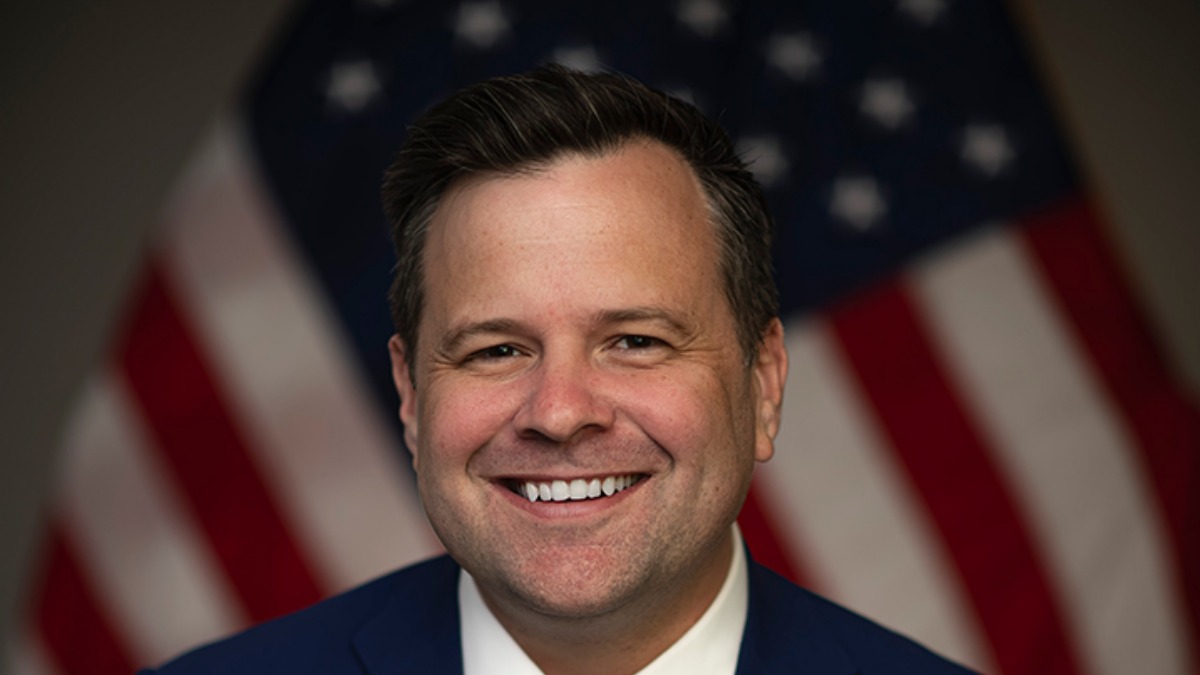

It looks like we are heading toward a major showdown in the Senate regarding the future of our national intelligence capabilities. Senate Majority Leader John Thune, a Republican from South Dakota, recently shared that the White House is now “weighing seriously” the possibility of naming a long-term nominee to replace Bill Pulte as the Director of National Intelligence, The Hill reported.
This potential shift in strategy comes at a critical moment, as the clock is ticking down on the expiration of Section 702 of the Foreign Intelligence Surveillance Act, also known as FISA. If a resolution isn’t reached, these enhanced surveillance authorities are set to expire on Friday, June 12.
The current tension is largely fueled by the appointment of Bill Pulte to serve as the acting director. Pulte, who also serves as the director of the Federal Housing Finance Agency, has faced intense scrutiny from lawmakers on both sides of the aisle. Many critics, including senior Republicans like Sens. John Cornyn and Bill Cassidy, have openly questioned his credentials. Pulte’s lack of background has become a major sticking point for Democrats, who have utilized a blockade to prevent the extension of the surveillance powers while he remains in his acting role.
This bipartisan resistance has left leadership scrambling for a path forward
The situation reached a boiling point early Friday morning when Senate Democrats, with the exception of Sen. John Fetterman, voted against a motion to proceed to a House measure that would have extended these surveillance authorities. The motion failed by a vote of 47 to 52. Interestingly, seven Republicans joined the Democrats in this vote, including Sens. Josh Hawley, John Kennedy, Mike Lee, Rand Paul, Eric Schmitt, Rick Scott, and Tommy Tuberville. This bipartisan resistance has left leadership scrambling for a path forward as the deadline looms.
Sen. Mark Warner, the vice chair of the Senate Intelligence Committee, has been one of the most vocal critics of the appointment. Warner told reporters that while he understands the importance of Section 702, he believes someone who does not meet the legal qualifications for the position shouldn’t be in charge of such sensitive work. He went as far as to call Pulte “grossly unqualified.”
A primary concern for Democrats is the history they attribute to Pulte, specifically accusations that he has “weaponized” his current position at the Federal Housing Finance Agency. They claim he has used his access to private mortgage records to target political adversaries of President Trump, including Federal Reserve board member Lisa Cook, New York Attorney General Letitia James, and Sen. Adam Schiff.
Schiff, the former chairman of the House Permanent Select Committee on Intelligence, has been particularly sharp in his assessment. He stated, “Pulte has demonstrated in his current position a willingness to weaponize whatever information he can get access to. He’s simply not someone that anyone can have confidence in, both to keep the country safe but also to abide by the law.”
For Democrats, this track record makes the prospect of Pulte overseeing intelligence gathering under FISA a non-starter. Warner noted that there would be “more than enough” Democratic votes to pass the extension if Pulte were not in the picture.
Thune, for his part, expressed his “hope” that a long-term nominee could satisfy these concerns and break the deadlock. He mentioned that he has been in contact with people at the White House who care deeply about the issue and suggested that a nomination could come soon. While Thune has been critical of the Democratic blockade, calling it “terribly irresponsible,” he also admitted he wasn’t thrilled with the timing of the White House’s decision to appoint Pulte just days before such a major deadline. “There have been timing issues around several things that they’ve done the last few weeks,” Thune remarked.
Despite his frustrations with the process, Thune remains focused on the looming deadline. He warned that if the program goes dark, it would be a “dangerous mistake for the country.” As we approach Friday, the pressure is mounting for both the administration and Senate Democrats to find a middle ground. Thune believes that if they can get a permanent, qualified person into the role, the path toward reauthorizing these critical surveillance powers will become much clearer.
For now, we are waiting to see if the White House will indeed pull the trigger on a new nomination to resolve this standoff before the authorities expire.







Published: Jun 9, 2026 02:00 pm