



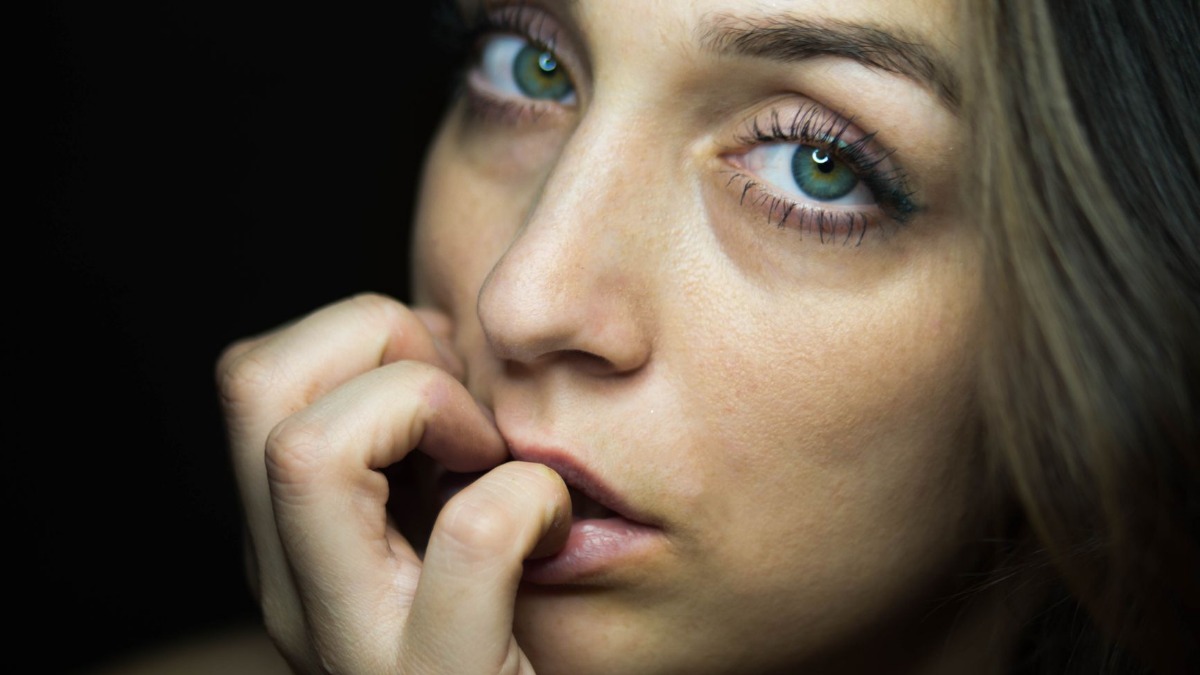

It is a strange habit that has captured quite a bit of attention lately, and for Janet Agyemang, it has been a part of her life for 26 years. The West Virginia woman recently became a viral topic after appearing on the television show My Strange Addiction, where she revealed a long-standing habit of chewing and consuming human toenails, Unilad reported.
While many people might bite their fingernails when they feel a bit stressed, Janet took things to a level that surprised viewers everywhere. During the filming of her episode, she was seen lifting her feet after a workout and biting off her own toenails, which she described as having a “salty” taste.
It is important to look at the scale of this behavior, as Janet was consuming around 60 toenails each week. At the time the cameras were rolling, she had reportedly eaten nearly two pounds of nails since she first started the habit as a child. This is not just limited to her own nails, either.
Janet has also been known to consume the nail clippings of her children
In a recent follow-up, she explained that she keeps her daughters’ clippings in a special container to use while she is at work. “I’ll save her nails, and I’ll put it in the gum when I get to work to make me feel closer to her. And I’ll chew gum until I leave work,” she shared, noting that the separation from her children is a major trigger for her.
The medical term for this behavior is Onychophagia, which is a condition involving the uncontrollable urge to bite or eat nails. According to experts, this falls under the category of body-focused repetitive behaviors. While it is a relatively common habit for many people, especially those dealing with anxiety or boredom, chronic cases can lead to real health concerns.
UCLA Health notes that regularly putting fingers or nails in the mouth can pass bacteria into the system, potentially leading to illnesses or infections. Other physical risks include dental problems like misaligned or chipped teeth, jaw pain, and fungal infections in the nail bed.
For Janet, the roots of this behavior stretch back to her childhood in Ghana. She recalled being placed on a plane by her grandparents to meet her parents in the United States without any explanation of where she was going. Being on that flight with a stranger triggered a sense of anxiety that she managed by chewing her nails for the first time.
She found that the habit calmed her nerves, and it became a permanent coping mechanism as she faced further turmoil, including her father being deported and difficulties in her relationship with her mother. She admits that she was not thinking about the potential health impacts during those years. “You’re so traumatized, you don’t think about what it can do to you,” she said.
Though she has managed to avoid major health issues over the last two decades, she is now looking for ways to stop, largely because she is worried about damaging her dental veneers. While she says her addiction is “still the same” as it was during the filming of the show, she has managed to cut back on eating her toenails, even if she still struggles with her fingernails. She has also heard from others who deal with the same condition and encourages them to look for healthier ways to manage their stress.
Experts suggest that breaking such a habit is possible, but it requires identifying specific triggers. For many, these triggers include stress, boredom, or even just being mentally engrossed in a task. Strategies to stop often involve finding replacement behaviors, such as using a stress ball or a fidget toy, or even applying bitter-tasting polish to the nails to make the habit less rewarding.
While minor nail biting is common and rarely requires a doctor, experts recommend seeking professional help if the behavior causes significant distress, if it cannot be stopped after repeated attempts, or if it leads to physical injury like bleeding, swelling, or persistent infections. Cognitive behavioral therapy is one path that professionals often suggest for those who find the habit has become a significant part of their daily routine. For now, Janet continues to navigate her own journey, acknowledging the deep-seated connection between her past trauma and her current habits.








Published: Jun 11, 2026 06:30 pm