



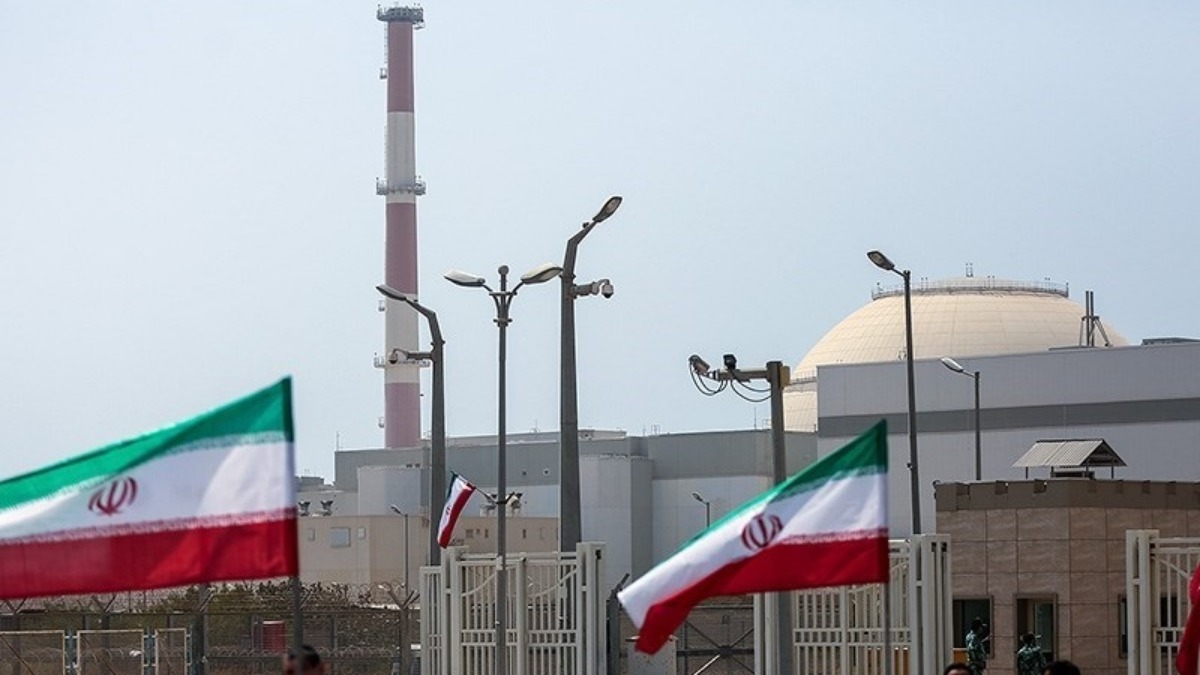

CNN reports that the U.S. military was recently deep into planning a ground mission aimed at seizing Iran’s stockpile of highly enriched uranium. The push involved top-tier military leadership and shows how close the administration came to launching a major operation to secure materials needed to build a nuclear weapon.
Gen. Dan Caine, Chairman of the Joint Chiefs of Staff, made a secret and rushed trip to Tampa, Florida, on May 19. He went directly to U.S. Central Command headquarters after leaving a meeting with senior NATO officials in Brussels. The briefings were described as highly sensitive and urgent. Following those meetings, Caine briefed President Donald Trump on the available options for the operation.
President Trump reportedly decided to pause the plans. Sources familiar with the matter told reporters that the President was warned about the potential for severe retaliation from Iran, which could lead to a broader war and significant global economic instability. There was also concern about a large number of U.S. casualties. As Trump said on Thursday in reference to another high-risk military option, “I don’t know if America has the stomach for it.”
Seizing buried uranium from booby-trapped tunnels while risking war, economic collapse, and mass casualties was always going to be a hard sell
The logistics of such a mission would be extremely complex. The uranium is believed to be stored deep within tunnels at facilities including Natanz, Fordow, and Isfahan. Experts have expressed doubt about the military’s ability to locate and verify all of the material, which is reportedly still in gas form.
One source involved in the planning described the challenge this way: “It would be insanely difficult to fish through those tunnels and all the barrels. We’d have to set up a massive presence. Essentially, we’d have to invade.”
Military commanders have categorized the risk level for such an operation as “High to Extreme.” Beyond the threat of booby-trapped tunnels, Iran still maintains a significant supply of drones and ballistic missiles.
The Pentagon has faced scrutiny over several decisions in recent months, including reporters being barred from the Pentagon press office, which has limited public visibility into sensitive military planning. There is also the threat of what has been described as an economic “nuclear option,” where Iran could potentially direct the Houthis in Yemen to close the Bab-al-Mandab strait, causing a major disruption to global trade.
Even as these military options were being weighed, President Trump continued to speak about the possibility of a diplomatic agreement with Iran. On Thursday, he said the two nations could be signing a deal as soon as the weekend. However, the gap between the two sides remains wide. A senior administration official stated that Iran had agreed to destroy and remove its nuclear material and halt funding for proxy groups.
Iranian state media has offered a different account. According to those reports, Iran will not give up management of the Strait of Hormuz and is demanding the immediate release of $24 billion in frozen funds.
The two positions reflect a significant distance between the parties in ongoing negotiations. The Pentagon has separately drawn attention for internal personnel decisions, including reports that Pete Hegseth blocked Navy officer promotions across multiple demographic groups.
Despite the recent push for a ground operation, the mission to seize Iran’s uranium has not been taken off the table entirely. It remains a primary objective that has not yet been achieved through either negotiation or military force. Trump recently remarked on the difficulty of reaching the material, saying, “Nobody’s getting close to it because it’s buried under a mountain.”









Published: Jun 13, 2026 09:30 am