



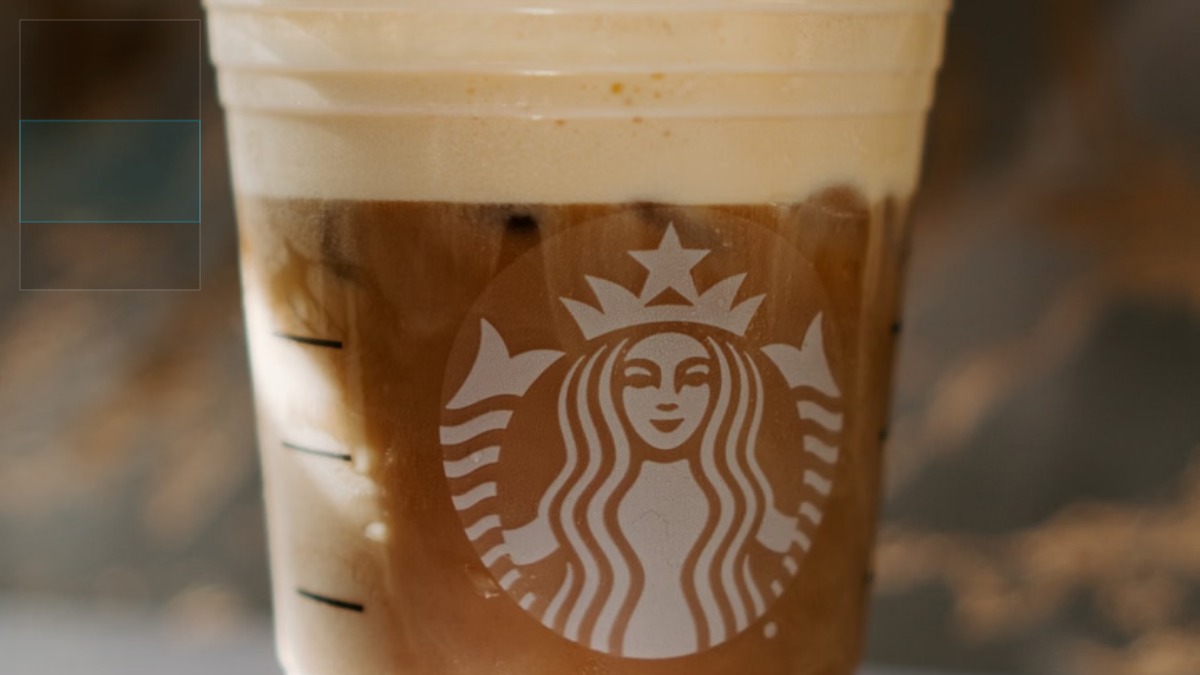

A duo recently went viral after performing a simple sharpie test on their Starbucks Venti latte to see exactly how much coffee they were actually getting. They marked the outside of the tumbler before removing the ice, then poured the coffee into a separate glass container to compare the two levels. The experiment is part of a wider trend across TikTok and X where customers are testing drinks for what many online are calling shrinkflation, a term used to describe businesses providing less product for the same price.
As highlighted by the Daily Dot, the test was shared by the verified account @WallStreetApes, which posted a video of the duo working through the comparison step by step. After marking the tumbler with a sharpie to note where the liquid reached, they removed the ice and poured the coffee back in to measure the actual amount. Instead of filling the cup, the liquid only reached about the halfway mark once the ice was gone.
The woman in the video appeared surprised by how much space the ice had taken up, while her friend had predicted the outcome closely beforehand. The comment section on the post is split, with some users describing it as a deliberate cost-cutting strategy and others pointing to standard practice. One commenter wrote that companies “want to earn maximum profits and less cost price,” while another said baristas are typically trained to fill cups with ice up to a marked line, calling it “easy ice.”
This isn’t the first time customers have questioned how much ice ends up in their cup
This is not the first time the ice-to-liquid ratio in cold drinks has drawn scrutiny. A Los Angeles resident named Alexander Forouzesh previously filed a fraud lawsuit against Starbucks, arguing that the company was misleading customers by advertising specific drink sizes while using ice to reduce the amount of liquid in the cup. By his estimate, a Venti contained roughly 14 ounces of liquid instead of the 24 ounces listed on the menu, a gap he attributed to the company’s standard ice fill.
The case centered partly on the black horizontal lines printed on Starbucks’ cold cups, which Forouzesh argued were preset fill lines meant to leave room for a set amount of ice. He claimed those markings effectively guided baristas toward underfilling drinks with liquid while making the cups appear full once ice was added.
A federal judge ultimately dismissed the lawsuit. The court ruled that a reasonable consumer understands that an iced beverage will contain ice, and that the cups used for cold drinks are clear, allowing customers to see the ice-to-liquid ratio before they drink. The judge added that the visible packaging made it unlikely any customer would be misled about how much of the cup’s contents were ice rather than liquid.
The latest wave of sharpie tests has reignited that same debate online, arriving alongside other viral moments highlighting shrinking portion sizes, including the LongHorn kids steak portion controversy that drew similar comparisons from customers. Viral testing videos like these tend to spread quickly once posted, a pattern also seen recently with an unrelated dashcam clip showing a car that appeared to vanish, which also drew widespread attention before a simpler explanation surfaced.






Published: Jun 17, 2026 08:30 pm