



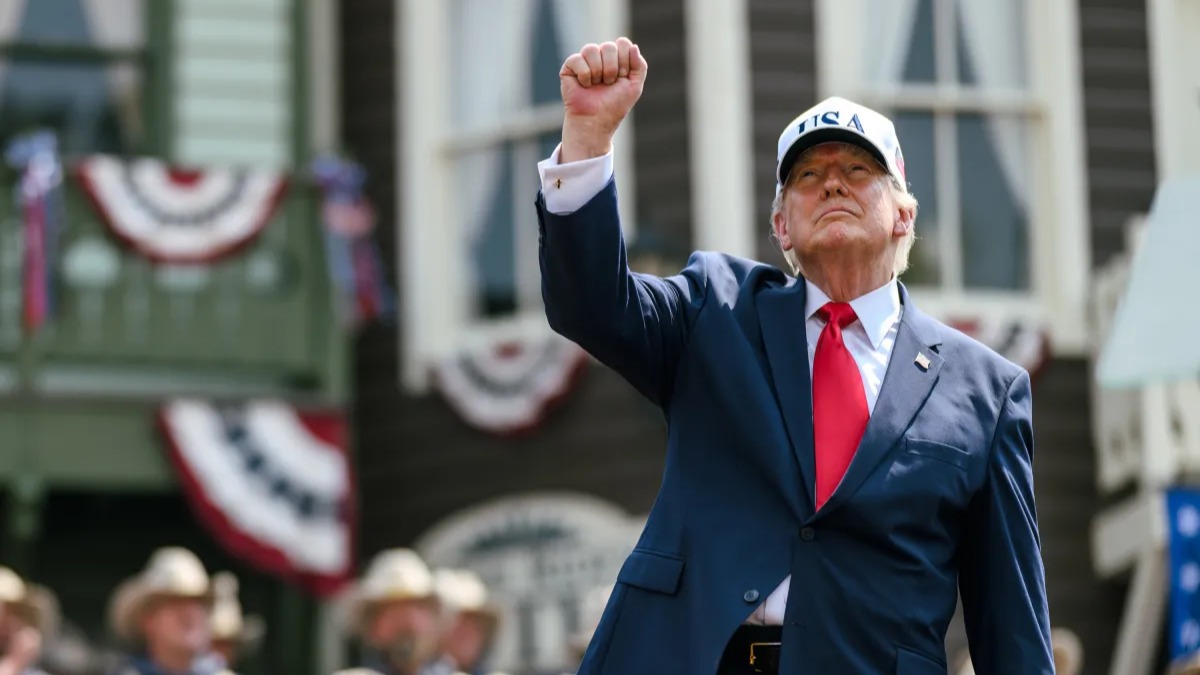

The current situation between the United States and Iran is intensifying as former Defense Secretary Mark Esper suggests that Iran is attempting to leverage as much as it can in peace negotiations before the midterm elections, The Hill reported. Following these upcoming elections, Esper predicted that President Trump will unleash America’s military might on the country. This assessment comes after a flurry of military activity and shifting rhetoric from the White House regarding the future of the ceasefire agreement.
Esper noted that the political landscape changes significantly for the administration once the calendar turns past early November. “His hand will become freer after the election for sure, and the Iranians know that,” Esper said of Trump on NewsNation’s “The Hill.” He continued, “So this is the Iranians’ time of maximum negotiation — get what they can now, because after Nov. 4, when [Trump] … doesn’t have to worry about the politics and economics, he can really unleash the United States military once again after Iran.”
The foundation of the current diplomatic efforts was a memorandum of understanding signed in June. This document was intended to end the conflict and included a ceasefire along with the reopening of the Strait of Hormuz, which is a vital shipping lane for global energy. However, the agreement has faced significant criticism because it failed to outline a clear future for Iran’s nuclear material. This critical issue was intended to be resolved during subsequent talks, but those discussions have now been overshadowed by renewed violence.
The ceasefire appears to be on life support following a series of strikes
On Wednesday evening, the United States struck approximately 90 targets inside Iran. This followed a previous round of strikes on Tuesday evening that lasted for several hours. According to the Trump administration, these military actions were in direct retaliation for Tehran targeting three commercial vessels transiting the Strait of Hormuz. In response to the American strikes, Iran has fired drones and missiles at Bahrain and Kuwait, where U.S. military assets and troops are currently hosted.
President Trump expressed his frustration with the situation on Wednesday while attending the NATO summit in Turkey. Visibly angered by the Iranian strikes, he declared that the agreement was effectively over. “I don’t want to deal with them anymore. They’re scum,” Trump said, adding that it was a waste of time to continue dealing with the country’s negotiators.
He further signaled his impatience by stating, “I got to know them, and I’m not sure I want to make a deal with them. We can play games, but I’m not sure I want to make a deal. Let’s just finish the job.” He also added, “I think anything that happens is going to be over very quickly.”
Despite these aggressive comments, Esper believes that a return to all-out war is not the desired outcome for either side. He emphasized that President Trump does not want to see oil prices or gas prices rise, as such an increase would have negative consequences for the midterm elections. The economic stakes are high, as gas prices have been a major factor in voter sentiment. Data from AAA previously indicated that gas reached $4.50 per gallon, which coincided with Democrats holding a significant lead in the generic congressional ballot.
Public opinion remains a major hurdle for the administration. According to Alex Rossell Hayes, the lead data scientist for YouGov, the war has remained substantially unpopular since it began. Recent polling shows that 52 percent of respondents believe the war has not been worth the cost. Because voters are strongly influenced by the state of the economy, the administration faces a delicate balancing act. Any escalation in the conflict risks disrupting global energy markets and further damaging the economic outlook for Republicans.






Published: Jul 9, 2026 04:15 pm