



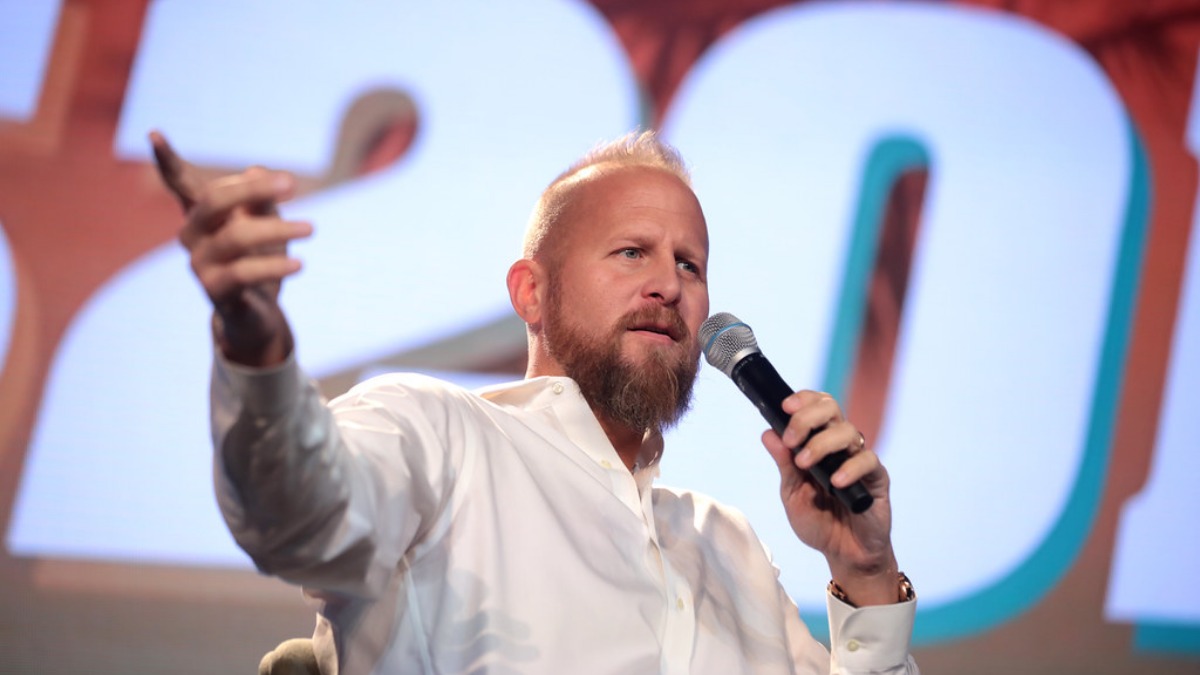

According to Time, a large digital influence operation designed to keep the MAGA movement supportive of Israel has backfired, creating problems for both the Israeli government and the White House. After a ceasefire deal between the United States and Iran on June 17, senior U.S. officials noticed an unusual pattern on social media. Instead of celebrating the agreement, influential voices within the MAGA movement were launching coordinated attacks against it.
These posts often shared identical language and tone, and pushed the argument that the Trump administration was being naive or giving up on its goal to eliminate Iran’s nuclear program. One post featured an Israeli op-ed claiming the President had failed to live up to his potential as a leader. When officials started looking into these patterns, they traced the activity back to Brad Parscale, the former campaign manager for President Trump.
According to Foreign Agents Registration Act filings, the State of Israel hired Parscale’s firm, Clock Tower X, last September in a deal worth $1.5 million per month. The contract required the firm to produce 100 pieces of content every month, with 80% of that content aimed at Gen Z audiences on platforms like TikTok, Instagram, and YouTube.
Both Israel and the White House are unhappy with how the influence network operated
Parscale also committed to generating 50 million digital impressions each month and shaping how AI tools like ChatGPT and Gemini describe the war. This tension reflects a broader pattern of U.S. and Israeli interests diverging over Iran.
The strategy involved a network of connected firms, including Campaign Nucleus and Influenceable. Through private group chats, conservative influencers were allegedly given suggested language and paid based on how much engagement their posts received. While Parscale maintains that his work was meant to stop young conservatives from turning away from Israel, the results have been mixed.
Israeli officials are reportedly unhappy with the outcome. One official familiar with the arrangement said that despite the high cost, support for Israel among the American right has continued to fall. Data from the Pew Research Center supports this.
Inside the White House, officials are frustrated for a different reason. They believe the campaign has turned into an influence operation that directly conflicts with the President’s policy interests. A senior U.S. intelligence official expressed concern that American influencers are being paid by a foreign government to turn the President’s own base against his decisions.
Parscale rejects the idea that he is working against the administration. He argues that the influencers he works with already support both the President and Israel, and insists his efforts have helped strengthen that base rather than divide it. He pointed to a June 5 poll by Scott Rasmussen as evidence that his target audience remains firmly on his side.
As one U.S. intelligence official described it, the situation is a dangerous development that cannot be dismissed, particularly if other similar operations are currently underway.
Unlike covert foreign influence efforts from countries like Russia and Iran, this case is notable because it was targeting the President’s own supporters. Similar concerns about Israeli influence have led other officials to step down, as seen when Trump’s counterterrorism chief resigned over the Iran war after accusing Israel of deceiving the administration.




Published: Jul 14, 2026 10:33 am