




I remember when the Hazbin Hotel pilot first dropped back in 2019. It felt like a total fever dream that the internet just could not get enough of. Fast forward to now, and the show has grown from a scrappy indie project into a massive global phenomenon backed by A24 and Amazon. If you are like me, you have probably spent hours trying to figure out why the characters sound different or how the world actually fits together in this underrated anime. I have dug into the data, the lore, and even the math behind the show to give you the most complete picture possible.
The Story Behind the Hazbin Hotel Voice Cast Overhaul
One of the first things I noticed when the series premiered on Prime Video was that every single main character had a new voice. I know a lot of fans were worried this was just a play for big names, but after looking at the technical requirements for the songs, the shift makes total sense. The show moved away from a system where one person spoke and another sang. Instead, they hired Broadway veterans who could handle what I call the triple threat: acting, singing, and maintaining a very specific character rasp all at once.
I also want to clear up a big rumor: the recasting was not about dodging union rules during the strikes. The show actually operated under a specific contract that allowed production to keep moving. The real goal was to find performers who could handle the intense vocal ranges, which sometimes peak between C4 and E6, without needing a ton of digital correction.
Charlie Morningstar and the Vocal Power of Erika Henningsen
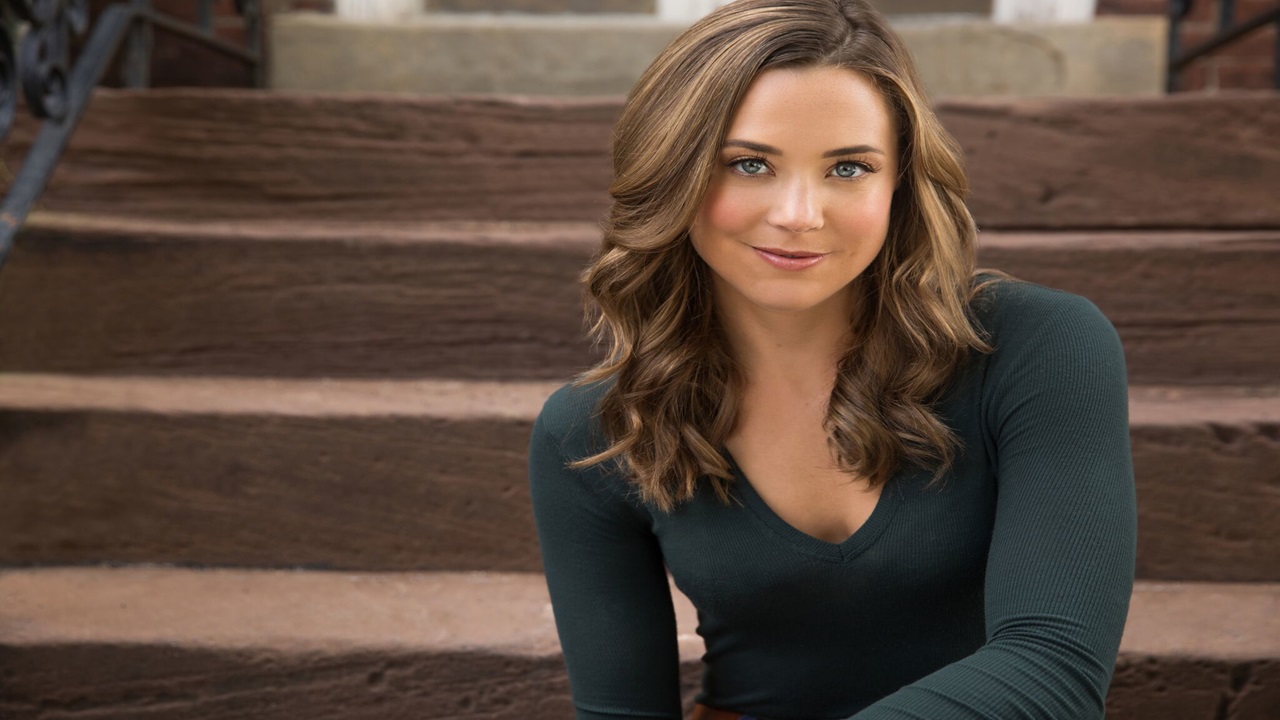
Erika Henningsen took over the role of Charlie, the Princess of Hell, and I think her Broadway background from Mean Girls is what makes her perfect here. Charlie is the moral heart of the hotel, and her voice has to reflect that Disney princess energy while still feeling grounded in a gritty world.
- Vocal Classification: She is a belting soprano.
- Technical Skill: She has a range of about 2.3 octaves.
- Character Power: In the show hierarchy, Charlie is Large Planet level in terms of potential, though she rarely uses it.
- Fun Fact: Her character design was actually simplified from the pilot to make her expressions more fluid during high speed musical numbers.
Why Vaggie Needed an Action Star like Stephanie Beatriz

I was honestly surprised when Stephanie Beatriz joined as Vaggie, but her work on Brooklyn Nine-Nine and Encanto proves she has the range. Vaggie is the pragmatic protector of the hotel, and Beatriz brings a certain intensity that you can only get from someone who has played a detective or a tactical survivor.
- Vocal Classification: She is a mezzo soprano.
- Character Secret: We found out Vaggie is actually a fallen angel, which explains why her combat skills are so much higher than your average sinner.
- Voice Trivia: Her singing voice is actually much higher than the low, raspy tone she uses when Vaggie is just talking.
Angel Dust and the Technical Challenge for Blake Roman
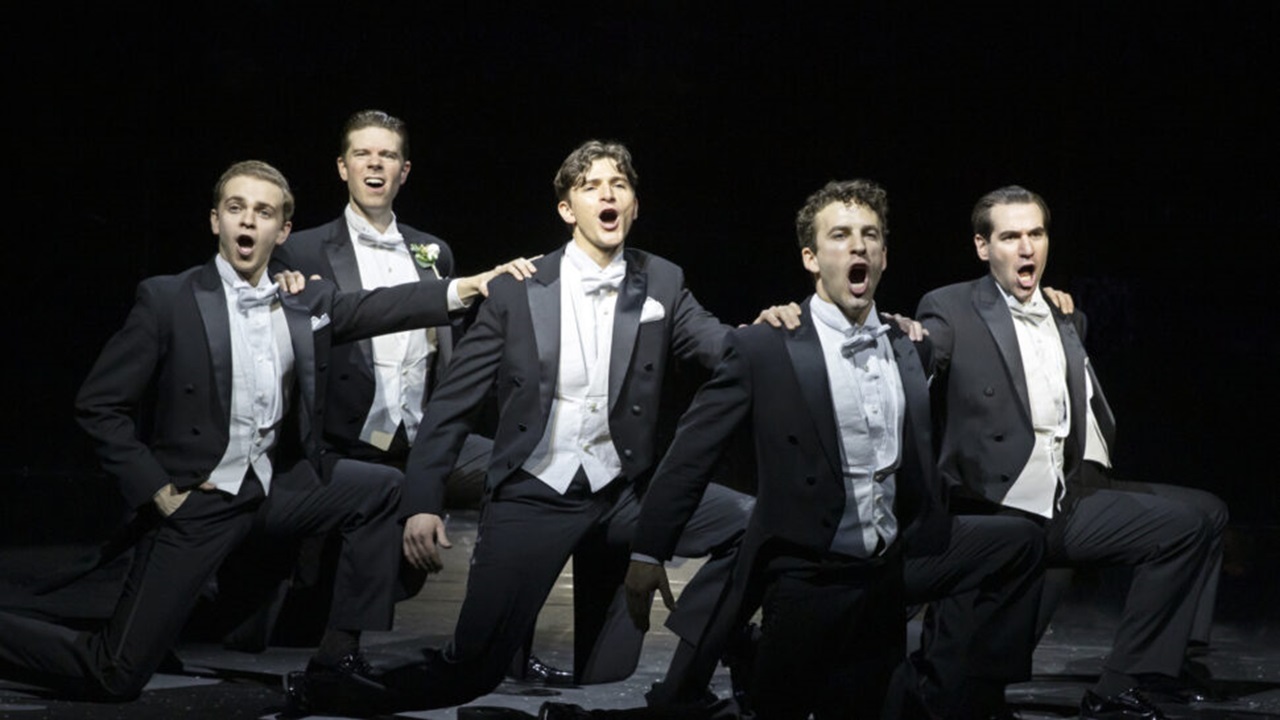
Angel Dust is easily one of the most complex characters to voice. Blake Roman replaced Michael Kovach for the series, and I have read that the physical strain of Angel’s voice was a huge factor. Singing in that high, breathy rasp is a vocal cord killer, and Roman manages to do it live without the heavy autotune we heard in early tracks like Addict.
- Vocal Classification: He is a high mixed tenor.
- Lore Bit: Angel is under a soul contract with Valentino, which limits his power and his freedom.
- Extra Roles: Blake Roman also voices the Egg Boiz, who are Sir Pentious’s little helpers.
Alastor and the Radio Demon Performance of Amir Talai
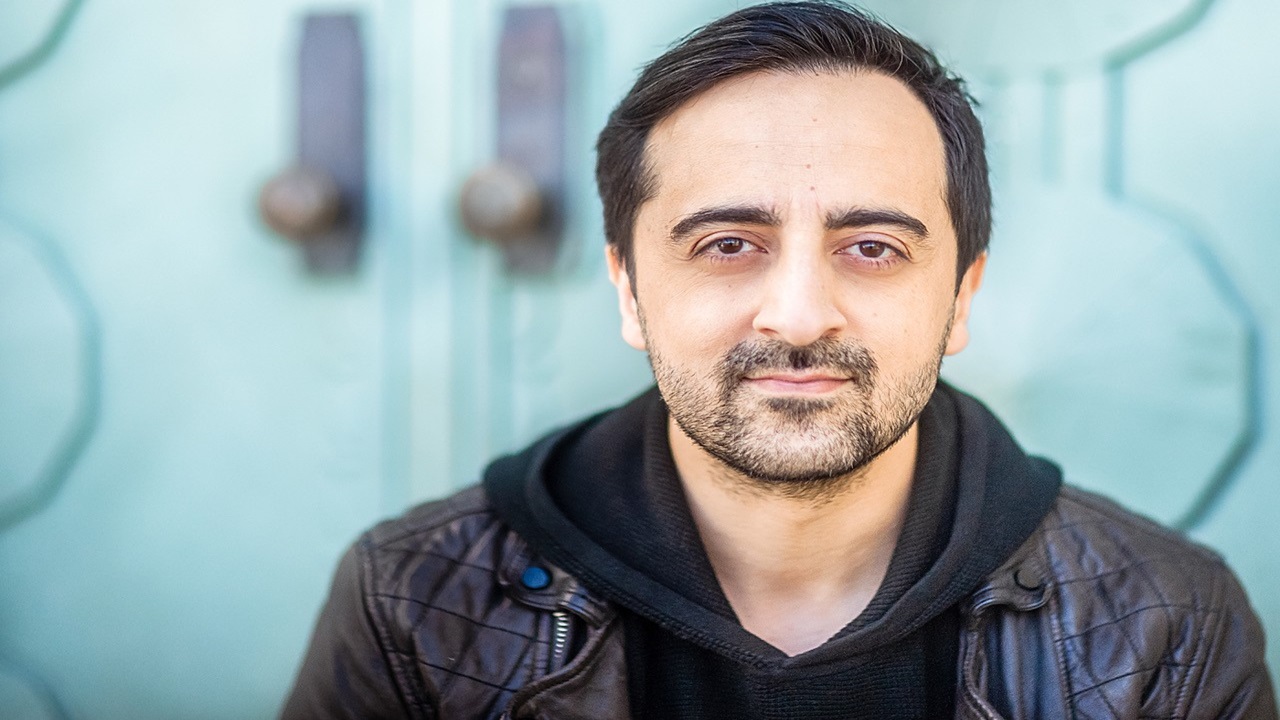
Amir Talai brings something truly chilling to Alastor. I love how he captures that 1930s radio announcer vibe. To me, Alastor is the most interesting guy in the room because we still do not know who holds his contract.
- Vocal Classification: He is a baritone with a very light tone.
- Power Scaling: Alastor is Small Town level, meaning he can level an entire district if he really wants to.
- Technical Detail: His voice is processed through a permanent radio filter effect, which even stays on when he is taking damage from angelic weapons.
Keith David and the Iconic Sound of Husk
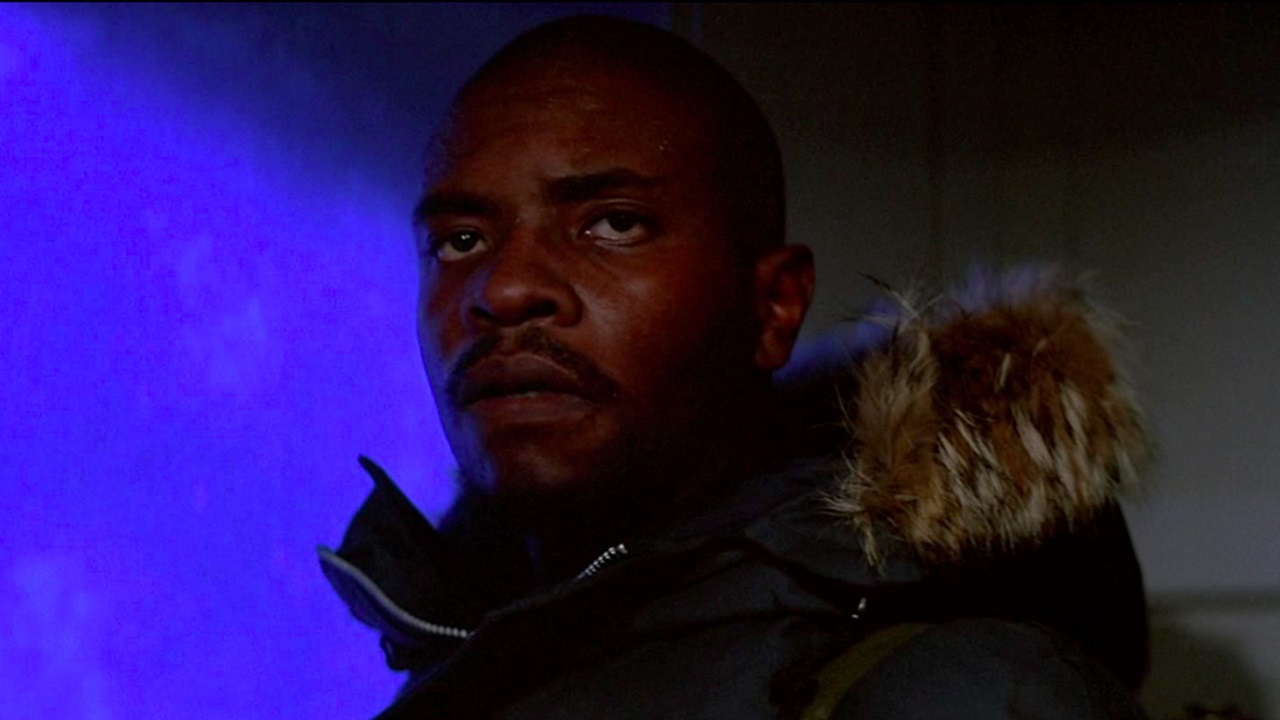
You cannot talk about voice acting royalty without mentioning Keith David. He plays Husk, the gambling addict who works the hotel bar. Having an industry legend who voiced characters in Gargoyles and The Princess and the Frog really grounds the show.
- Vocal Classification: He is a deep, resonant baritone.
- Lore Depth: Husk used to be an Overlord himself before he lost his power to Alastor in a high stakes gamble.
Mapping the Geometry of Pentagram City
I have spent some time looking at the spatial data for the setting, and it is way bigger than it looks on screen. Pentagram City is located in the Pride Ring, which is the only place sinners are allowed to live.
- City Size: The city has an estimated radius of 250 kilometers.
- The Districts: There are 11 primary districts, including Uptown (where the hotel sits), the Entertainment District (run by the Vees), and the Industrial District (Carmilla Carmine’s territory).
- Visual Markers: There is a massive hovering pentagram in the sky that only appears over this specific city.
The Hidden Economics and Budget of the Hellaverse
I was digging into the production data and the numbers are actually quite staggering. Hazbin Hotel is not just a cartoon: it is a high budget musical.
- Production Cost: Estimates suggest the budget is roughly 1.2 million dollars per 20 minute episode.
- Per Minute Value: That breaks down to about 7,500 dollars for every single minute of animation.
- Market Demand: According to Guinness World Records 2026, the show had a demand rating 74 times higher than the average TV series.
I think a lot of that money goes into the music. Hiring Broadway composers and a full orchestral backup for songs like Hell Is Forever is a huge investment that really pays off in the final product.
The Math Behind Soul Contracts and Power Scaling
In this world, power is not just about magic: it is about soul ownership. I have seen a few models that try to calculate how this works. Essentially, an Overlord becomes more powerful for every soul they own.
- The Formula: A sinner’s power seems to grow logarithmically based on the number of souls they control.
- Extermination Impact: When the angels come down for the annual cull, they are not just killing people: they are destroying the assets of the Overlords. If an Overlord owns a million souls and loses 100,000 in a raid, they just lost 10 percent of their power base.
Why Season 2 Animation Looks So Much Better
If you felt like Season 2 looked different, you were right. I noticed the animation feels much smoother and easier to follow. Vivienne Medrano actually confirmed that the team leveled up the animation pipeline for the second season.
- Frame Rate: Much of the first season was animated on twos or even threes, which can look a bit choppy. Season 2 uses more consistent 24 frames per second for action.
- The Gaussian Blur Problem: In Season 1, the backgrounds were so detailed that the characters would sometimes get lost. The artists used to put a blur on the background or artificially lighten the characters’ faces to fix this.
- Composition: Season 2 uses better lighting and layout rules so the characters stand out naturally without those digital tricks.
The show has come a long way since that first pilot, and seeing the creative team get more time to let the story breathe makes me really excited for Season 3 and beyond. We’ve seen some good and bad scenes from Amazon shows, and I am sure we’ll see better ones from this show.







Published: Apr 15, 2026 11:33 am