



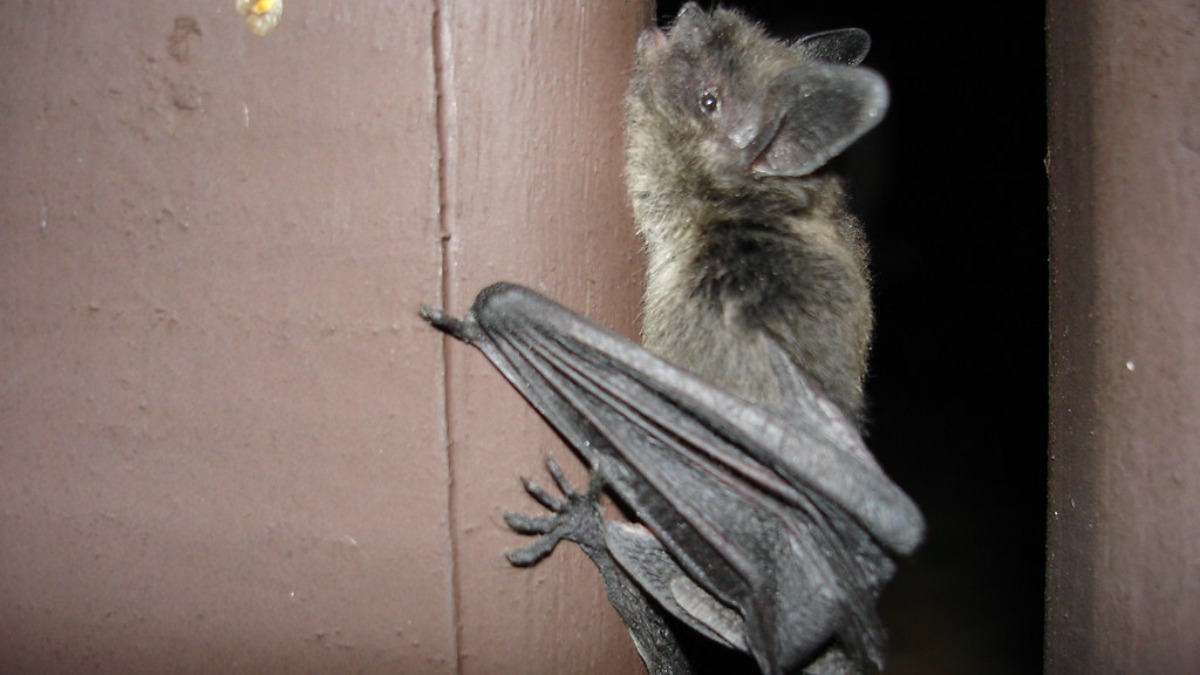

An 11-year-old boy from Canada has died after contracting rabies, a tragic outcome that followed a brief encounter with a bat during a family vacation in Northern Ontario, the BBC reported. The details of this case, which were recently chronicled in a report from the Canadian Medical Association Journal, highlight just how critical it is to act immediately if there is any potential contact with a bat, even if you do not see a physical wound.
The incident occurred in the summer of 2024 while the boy was staying at a cottage with his family. The child was asleep when a bat landed on his face, specifically resting on his nose and mouth. He woke up and swatted the animal away, at which point his father caught the bat in a pot and released it outside. Because the boy did not show any visible scratches or bite marks, and because the bat did not appear to be acting erratically, the parents did not initially seek medical attention.
It is easy to see why this happened, as we often assume that if we cannot see a physical injury, we are in the clear. However, this case serves as a heartbreaking reminder that rabies can be transmitted through contact that might seem minor or even invisible to the naked eye.
About 19 days after the encounter, the boy began to experience concerning symptoms
His initial symptoms included facial numbness and swelling. His family sought medical help, but the diagnosis was not immediately clear. An emergency clinic initially suspected the boy might have Bell’s palsy, which is a temporary paralysis of the facial muscles on one side of the face, and they prescribed antiviral medication used to treat herpes infections.
His condition did not improve, and he made back-to-back visits to a hospital. During these visits, doctors at first suspected herpes gingivostomatitis, a viral infection of the mouth and gums. When he returned to the hospital the next day, the right side of his face had become weak.
While he was waiting to be admitted to the hospital, the situation became much more severe. The boy developed a fever of 102F, and he began to struggle with swallowing. He also experienced confusion and visual hallucinations. His condition deteriorated rapidly throughout that day. Medical staff intubated him and admitted him to the paediatric intensive care unit.
Doctors at the University of Manitoba, Canada’s Department of Pediatrics and Child Health, began to strongly suspect rabies. A test confirmed this diagnosis a few days later, and the Canadian Food Inspection Agency identified a bat rabies virus variant. Despite receiving treatment, the boy passed away 17 days after being admitted to the hospital.
The report notes that the boy had no history of allergies, sick contacts, tick bites, or recent travel outside the country, which helped doctors narrow down the cause of his illness. According to the CDC, rabies is almost entirely preventable if a person receives early care. The virus is transmitted through the bites and scratches of an infected animal and it centrally affects a person’s central nervous system. This leads to “severe brain disease and death” if it is not treated before the onset of symptoms.
The report from the Canadian Medical Association Journal emphasizes that any direct human contact with a bat is an indication for rabies postexposure prophylaxis, which is the medical treatment given immediately after potential exposure to a rabid animal. Once symptoms actually develop, the infection is almost always fatal.
Rabies infections are quite rare in Canada. According to the Canadian Veterinary Medical Association, there have been 28 human deaths due to rabies in the country since 1924. The association notes that “This low rate of rabies is due to widespread, ongoing vaccination programs, and failure to continue these programs can and will result in a return of disease.”
This serves as a stark reminder of the importance of public health initiatives. For those of us who enjoy the outdoors, it is essential to stay aware of our surroundings. If you ever have direct contact with a bat, you should seek medical advice immediately, regardless of whether you can see a bite or a scratch.









Published: Jul 2, 2026 08:15 pm