




As detailed by BBC News, daily traffic through the Strait of Hormuz has dropped by roughly 95% since the conflict began on February 28. Before the escalation, about 138 vessels passed through the strait each day, carrying around one-fifth of the world’s oil supply, but now only about 5 to 6 ships are making the journey daily.
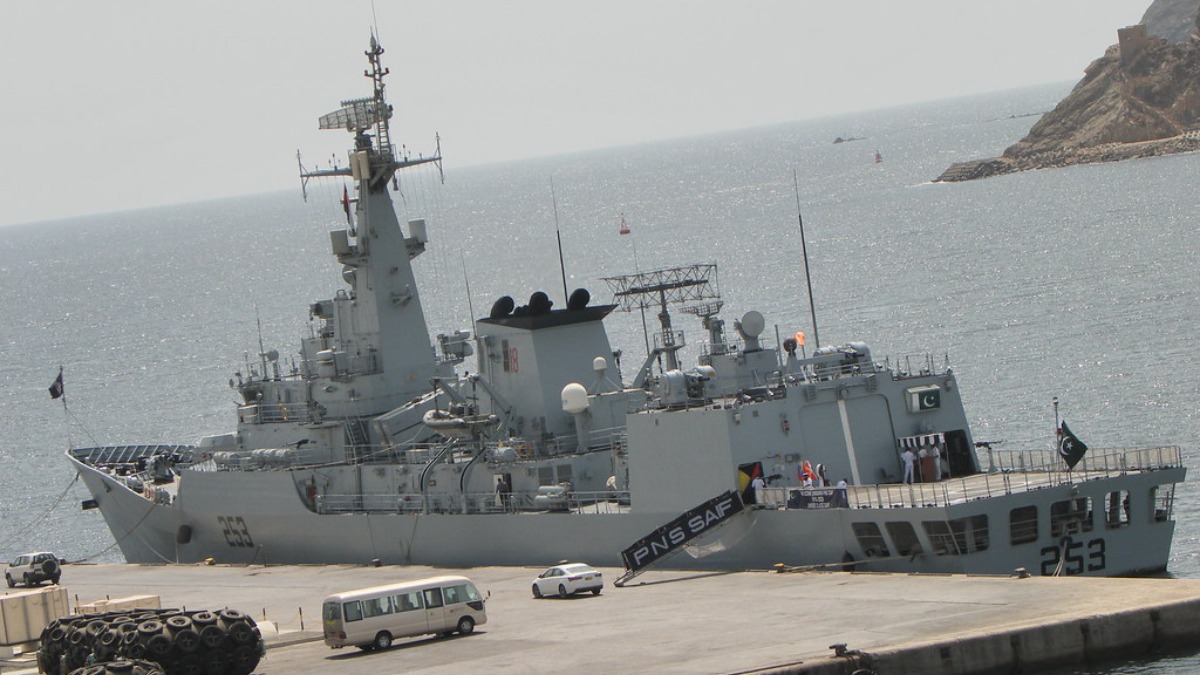
Despite the sharp decline, some vessels are still navigating the waterway under what appears to be an informal set of rules. Tracking data showed a Pakistan-flagged tanker sailing unusually close to Iran’s coastline, suggesting ships may be following specific directions to reduce risk or avoid hazards.
Analysts say these altered routes are not random. A senior researcher at RAND Corporation indicated that vessels hugging Iran’s coast may be responding to instructions, possibly to avoid mines or ensure they are clearly identifiable. This shift has effectively changed how ships move through one of the world’s most critical chokepoints, amid Saudi pressure on Iran.
Shipping patterns suggest quiet coordination at sea
Maritime experts say the fear of attack is shaping behavior across the region. Some ships are avoiding the standard international navigation channel entirely, instead sticking close to Iranian territorial waters. This approach reflects growing concern over both direct strikes and the threat of naval mines.
Data also shows that a significant portion of the vessels still transiting the strait have direct or indirect ties to Iran. Others are linked to companies connected to China or are headed toward India, while some non-Iranian ships have docked at Iranian ports despite the risks.
Those risks have already materialized. At least 20 commercial vessels have been attacked off the Iranian coast since the conflict began. In one incident, a Thai-flagged bulk carrier was struck by projectiles, leaving multiple crew members missing, while other ships were also targeted the same day.
The range of threats includes drones, anti-ship missiles, unmanned surface vessels, and naval mines. Analysts note that the strait’s narrow geography and surrounding terrain give attackers an advantage, limiting reaction time for passing ships and complicating defensive efforts, as lawmakers debate Iran war powers.
Another challenge is that many vessels are turning off their tracking systems to avoid detection. This makes them disappear from monitoring systems for hours or even days, forcing analysts to rely on satellite imagery to confirm their movements.








Published: Mar 20, 2026 06:30 am