



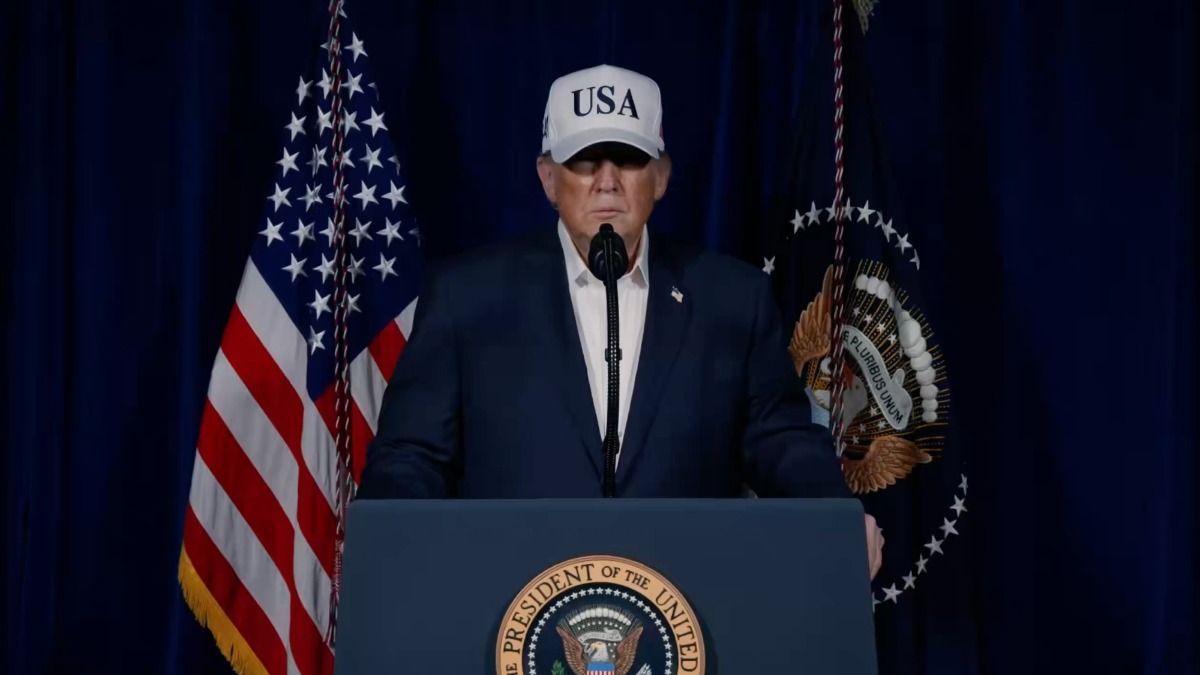

Iranian diplomats are reading The Art of the Deal in an unusual effort to understand the negotiation tactics of President Donald Trump, as per The Wall Street Journal. As peace talks held in Switzerland keep hitting obstacles, this approach points to the tension caused by the president’s frequent and unpredictable social-media activity.
The situation grew tense last weekend when President Trump posted a social-media threat to attack Iran unless it stopped funding the Lebanese militia Hezbollah. Mohammad Bagher Ghalibaf, the chief Iranian negotiator, did not know about the post until an aide told him after he left his phone outside the negotiating room.
The threat led Ghalibaf to confront U.S. Vice President JD Vance, saying it broke the memorandum of understanding signed just days earlier. The Iranian team then ended face-to-face meetings. In an interview with Iranian state television, Ghalibaf reportedly said, “I told Vance, ‘Today your president has issued threats. Understand that we never negotiate under threats or pressure.'”
The disputed role of psychologists and a 1987 book in Iran’s strategy
He added, “The American side sought another meeting through the mediators, but we refused.” Vice President Vance defended the president by suggesting he was simply responding to Iranian trash talk to correct the record.
This is not the first time the president’s online activity has complicated diplomatic efforts. Mediators have repeatedly warned the U.S. that these posts threaten the chance of a deal. According to The Wall Street Journal, there is a strategy behind the behavior, as the president once told an aide he wanted to appear as unstable as possible to push Iran toward the negotiating table.
This approach has included past threats to destroy Iran’s export terminal and power plants, and, as he warned on April 7, the idea that “A whole civilization will die tonight.” The fighting has also caused real damage, and the U.S. reportedly plans to use Iranian assets to help Gulf allies repair harm from Iran’s attacks.
To handle this, Iranian negotiators have reportedly spoken with psychologists to better understand the president’s mindset and predict how he might react in public to their proposals. However, some sources close to the Iranian diplomatic team in Switzerland have disputed that psychologists were involved, suggesting the country prefers to avoid guessing at the motives behind the president’s decisions.
Instead, they are focusing on the 1987 book written by the president and journalist Tony Schwartz. The book serves as a guide for understanding the use of extreme, unpredictable demands meant to create anxiety and force concessions. Analysts suggest these tactics have not yet produced extra concessions from the Iranian side.
Mohamed Amersi, an expert on Iran, said, “Trump is applying the lessons of The Art of the Deal, making extreme threats to test the other side’s resolve. But the Iranians…are well aware of his tactics. It won’t change the dynamics.” The back and forth continues to complicate internal politics within Tehran, where pragmatic officials are finding it harder to convince hard-liners that the U.S. can be trusted to honor its commitments.
The president has also said that Iranian leaders have no choice but to reach a deal to end the ongoing war. For now, the parties are working through mediators from Pakistan and Qatar to keep talks moving forward.





Published: Jun 24, 2026 10:30 am