




The record-breaking 76-day partial government shutdown has come to an end, with President Donald Trump signing a spending bill to fund the Department of Homeland Security (DHS). This will allow security officers at US airports to receive their paychecks on time, after months of uncertainty.
The DHS, which oversees Immigration and Customs Enforcement (ICE) and Customs and Border Protection (CBP), had been operating without routine funds since February 14. The standoff between Republicans and Democrats had led to a shortage of security officers, causing chaos at airports across the country.
The Senate-passed bill, which was also approved by the House of Representatives, clears the funding deadlock. According to the BBC, it does not include funds for ICE or parts of CBP. However, it provides essential funding for the DHS, giving relief to thousands of employees, including those in the Coast Guard, who had been working without pay for weeks.
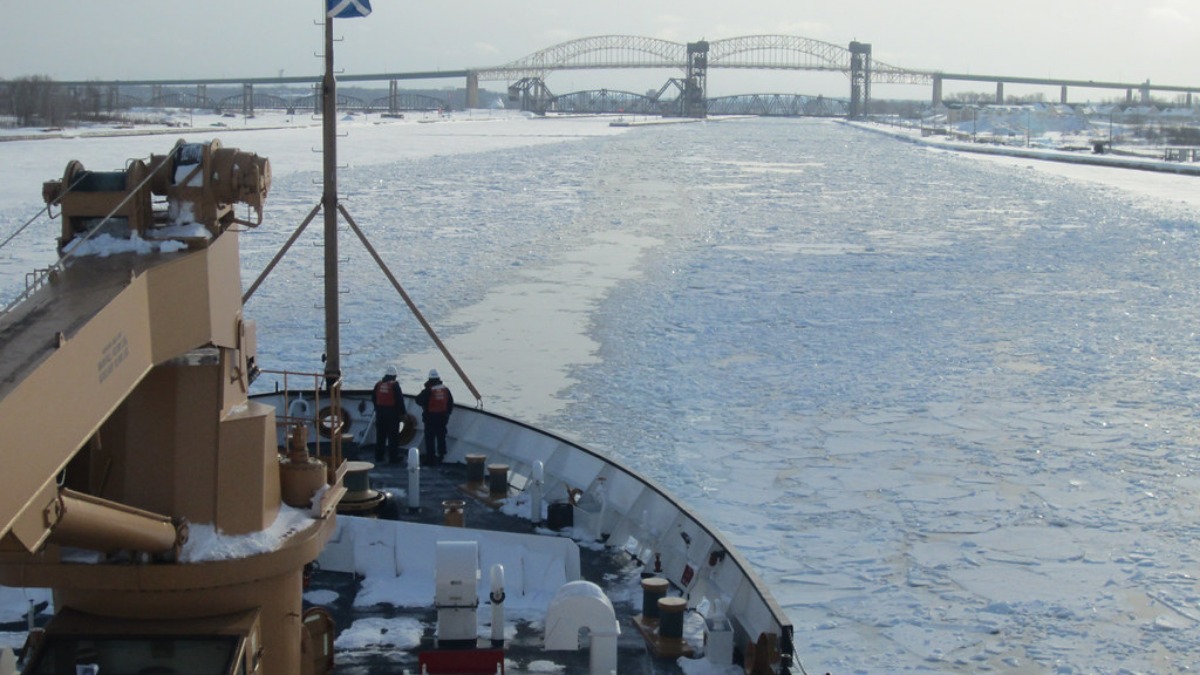
The Coast Guard took one of the hardest hits from the shutdown
The Coast Guard, which is part of the DHS, was particularly affected. The service branch was facing a “crisis” due to the lack of funding, owing over $300 million in unpaid obligations, including utility bills. This led to water outages and power cuts at Coast Guard duty stations around the world.
Trump, meanwhile, has been pushing for a prolonged Iran blockade, even as his own officials admit he is running out of options to claim a victory. Coast Guard Commandant Adm. Kevin Lunday described the situation as “incredibly frustrating” and “a horror movie.” “It seems like a horror movie, but it’s actually happening. It’s almost unbelievable,” he said in an exclusive interview. “Suddenly, the lights go out.”
The shutdown hit Coast Guard families hard, with 43% of housing units facing electricity shutoffs due to unpaid bills. Many families had to make difficult choices, including skipping vacations, using food pantries, and even going into personal debt just to carry out their duties. The financial pressure placed on these families was severe, and for many, the uncertainty stretched on long enough to cause lasting damage to their personal finances.
The shutdown also damaged the Coast Guard’s readiness. The service canceled 30 national security exercises and halted training ahead of major events, including the World Cup and America 250, CBS News reports.
Officials described this as a “hollowing out” of the Coast Guard’s operational readiness, and experts warn that rebuilding that capacity will not happen overnight. Despite all of this, the Coast Guard stayed committed to its mission. “We have people in harm’s way at this hour, conducting military operations along with other military services,” Lunday said.
“And it is hard to imagine that part of our armed forces would not be funded. And what it shows is the dedication of our men and women, that they’re still committed to stepping into the breach and getting that mission done, even in the face of danger, even while the government is not working to fund the DHS and the Coast Guard and ensure they get paid.”
The end of the shutdown brings relief, but the long-term damage is already being felt, particularly in recruitment and retention. Many service members and their families have been shaken by the experience.
Meanwhile, Congressional Republicans are now focused on approving up to $70 billion in funding for ICE and CBP, while Democrats continue to push for tighter oversight and limits on enforcement practices. The broader debate over immigration enforcement funding is far from settled, and further clashes between the two parties seem likely in the weeks ahead. In other government news, US passports now featuring Trump’s image have raised questions about whether Americans can opt out.






Published: May 2, 2026 07:00 am