



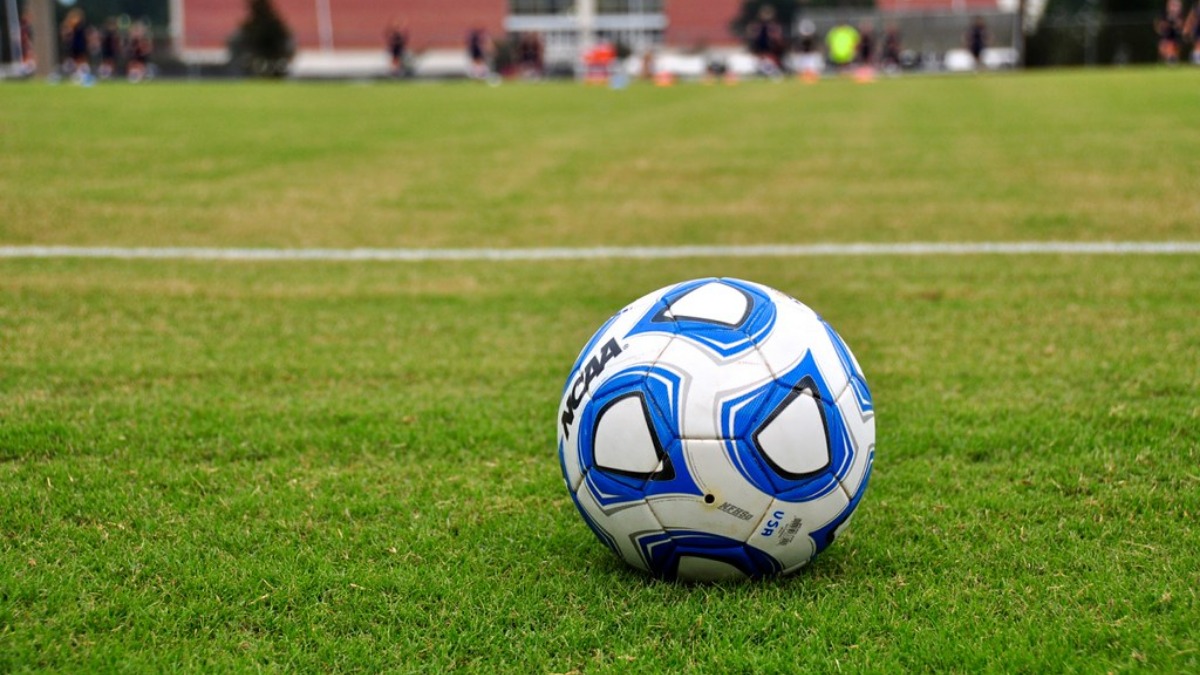

The 2026 World Cup is finally here, and while the stadiums across the United States, Canada, and Mexico are ready to host the world’s best athletes, the massive switch from artificial turf to natural grass has sparked plenty of debate. According to Daily Mail, the switch to natural grass has sparked plenty of debate. You’ve likely heard about the controversy, especially since many of these venues serve as home fields for NFL teams.
It’s a huge logistical undertaking to pull up turf and lay down grass for a temporary tournament, and it’s left many fans and experts wondering if these surfaces are actually safe for the players. Venues like Mercedes-Benz Stadium in Atlanta, Gillette Stadium, MetLife Stadium, and Lumen Field have all made the switch to meet international standards.
In Atlanta, for instance, they didn’t just throw some sod down and call it a day. They installed a brand-new, state-of-the-art irrigation and aeration system. The grass itself is a hybrid of rye grass and synthetic fibers, which was grown in Colorado before being transported to Georgia. Having seen the results during recent friendlies and MLS matches, the early feedback has actually been pretty positive.
How These Fields Could Affect Play
The situation isn’t uniform across every host city. Unlike the climate-controlled environment in Atlanta, other stadiums face different challenges. The biggest concern is whether these temporary fields will stay tight to the ground or if they’ll start to come apart during intense matches. These field adjustments are just one of many logistical hurdles for the tournament, alongside potential scheduling disruptions from strict domestic weather safety regulations.
Dr. Shawn Anthony, an orthopedic surgeon and associate chief of sports medicine at Mount Sinai Hospital in New York City, pointed out that the surface significantly changes how forces are absorbed through the lower body. As he explained, “The playing surface significantly changes how forces are absorbed and transmitted through the lower body. Differences in turf firmness, traction, and consistency can affect joint loading and muscle activation, especially during soccer’s explosive movements like cutting, pivoting, sprinting, and decelerating.”
He also noted that if these fields are unstable or grip differently than what players expect, it could lead to trouble for their ankles, knees, and hips. The main worry is that even with all the research poured into these temporary setups, their performance during a high-stakes match remains somewhat unpredictable. “The concern is whether the temporary natural grass surfaces will behave and replicate the high level of consistency as permanent elite-level grass pitches,” Dr. Anthony said.
“While significant research has gone into these temporary surfaces, their performance during a match is less predictable. Variations in the traction, seams, or field inconsistencies could increase lower extremity injury risk, especially during periods of player adaptation.” On the flip side, some medical experts are offering a more optimistic take. Dr. Riley Williams III, the venue medical officer at MetLife Stadium and director of the FIFA Medical Centre of Excellence, believes grass is fundamentally safer than turf.
He pointed out that cleats are less likely to get dangerously stuck in grass compared to the artificial stuff. In fact, he suggested that a recently laid sod surface might even be looser, which could potentially lower the risk of that kind of fixation. He explicitly stated, “there’s no evidence that an early use of a newly-placed sod field is any additional injury risk for a professional soccer player.”
To keep things as safe as possible, Dr. Anthony suggests that teams need plenty of time to train on these specific surfaces before kickoff. This allows athletes to adjust their movement patterns and get used to the conditions.
He also emphasized the importance of injury-reduction warmups, like the FIFA 11+ program, noting that consistent compliance is key.






Published: Jun 11, 2026 02:00 pm