



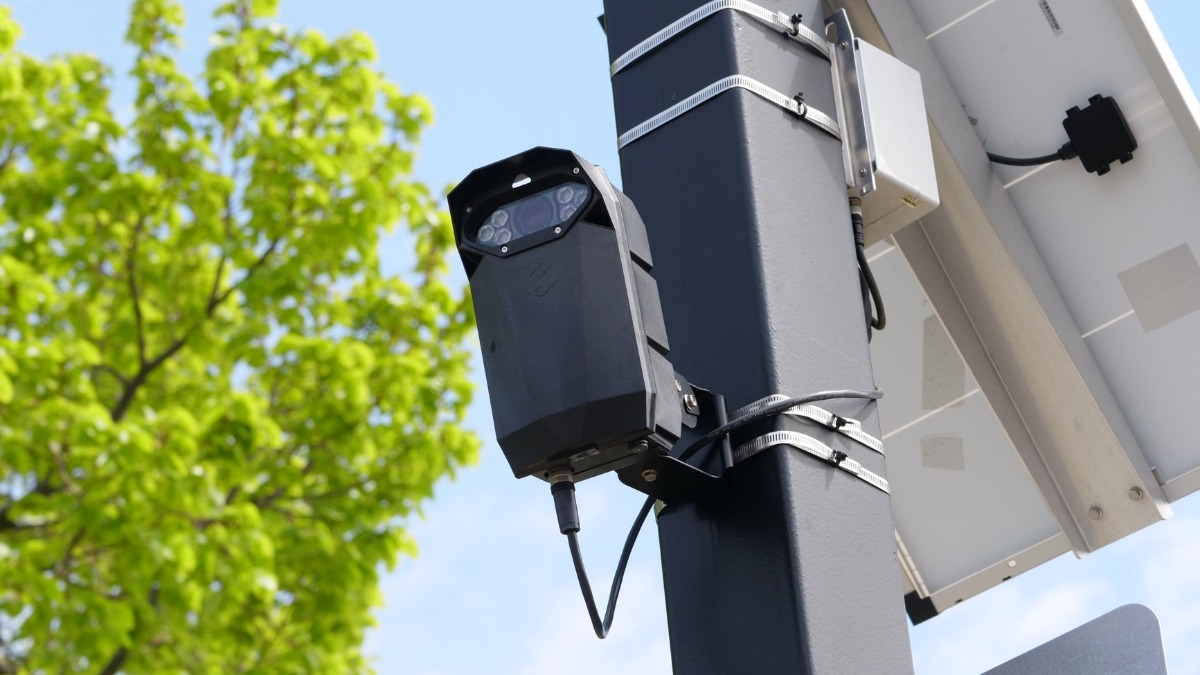

New license plate cameras are now capable of tracking individuals by picking up signals from personal devices like AirPods, smartwatches and pet microchips. As detailed by Brobible, the technology moves beyond simply capturing a license plate number, instead linking a vehicle to a unique digital footprint. The system, known as SignalTrace and developed by surveillance company Leonardo, is designed to enhance the existing capabilities of automated license plate readers.
Rather than relying solely on optical character recognition to read a plate, the system gathers signals from nearby electronics and links them to specific vehicles. It can identify electronic signatures from cellphones, key cards, fitness monitors, RFID tags, Bluetooth accessories, tire pressure monitoring systems and pet microchips. By comparing these signatures with the license plate data captured at the same time and place, the system builds what amounts to a digital profile of both a vehicle and the people inside it.
The manufacturers behind the tool argue it can assist criminal investigations and help identify suspects, though the implications for the general public are significant. Automated license plate readers, or ALPRs, were already controversial before this addition, using cameras mounted on street poles or squad cars to log the time, date and location of vehicles. Privacy concerns around location tracking have also surfaced in unrelated retail settings, including a mysterious device recently spotted on Walmart shopping carts.
The system links a vehicle’s plate to the personal electronics riding inside it
This data is increasingly revealing, according to the Electronic Frontier Foundation. It has noted that matching a car to a specific time, date and location over time allows authorities to learn where someone works and lives, which doctor they see, which religious services they attend, and who their friends are.
The organization has also pointed to a lack of transparency around ALPR use. Including a lawsuit it filed alongside the ACLU of Southern California in Los Angeles County Superior Court after the Los Angeles Police Department and the Los Angeles County Sheriff’s Department failed to provide adequate information about their systems.
That suit, filed after the agencies did not fully comply with requests under the California Public Records Act, sought documents on policy, training and a sample of data collected in 2012. The case highlighted an ongoing tension between law enforcement surveillance capabilities and public accountability that predates SignalTrace itself.
Data security is a separate concern, since law enforcement databases have previously been compromised, misused or accessed without proper authorization. Combining centralized data storage with the ability to link devices like smartwatches and pet microchips to a specific vehicle raises the stakes of any future breach. Errors tied to automated identification tools have already drawn scrutiny elsewhere, including a case in which facial recognition technology wrongly identified an innocent person as a suspect.
The integration of SignalTrace into existing ALPR networks adds a new layer to that debate, since it expands what a single drive-by camera can capture about a person without their involvement. Whether meaningful oversight will accompany the rollout of the technology remains unclear.









Published: Jun 21, 2026 11:15 am