



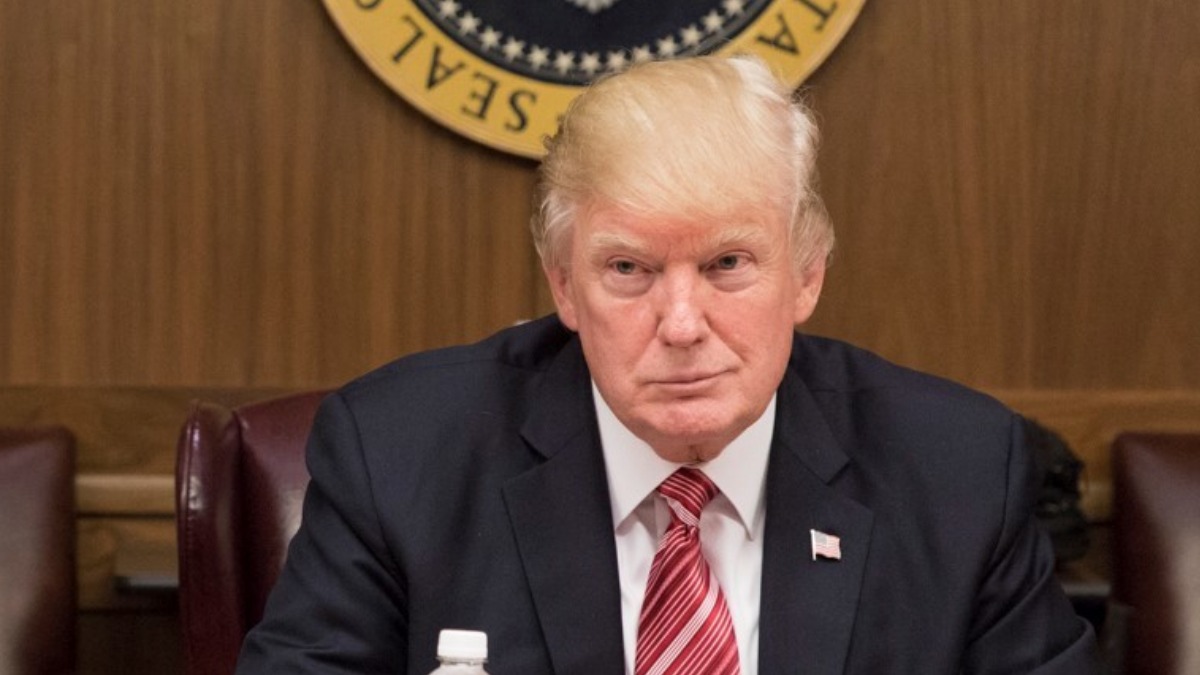

Israeli Prime Minister Benjamin Netanyahu said Thursday that Israel “acted alone” in its strike on Iran’s largest gas compound, a claim that contrasts with comments from President Donald Trump. As reported by The Hill, the differing accounts have created a rare public split in how the operation is being described.
Netanyahu, speaking at a press conference, insisted there was no disagreement with Trump over the broader military approach to Iran. He reiterated his long-standing position that Iran poses a global threat and pointed to what he described as close coordination between the two leaders.
Trump, however, said the United States had no prior knowledge of the strike and did not approve it. During a meeting with Japanese Prime Minister Sanae Takaichi, he said he told Israel not to carry out the attack, while adding that coordination between the two countries does not mean full agreement on every action.
Conflicting accounts quickly raised questions about coordination
Trump described the relationship as generally coordinated but acknowledged that Netanyahu sometimes acts independently, saying disagreements would not continue going forward. The comments introduced uncertainty about how closely aligned the two governments were in the lead-up to the strike.
That account was complicated by statements from three Israeli officials who said the strike had in fact been coordinated with the Trump administration in advance. The dispute unfolded amid broader debate over Iran policy, including renewed questions about presidential war powers.
Trump also addressed the situation on Truth Social, writing that Israel carried out the attack “out of anger” over developments in the region and warning against further escalation. He stated that no additional strikes should occur unless Iran took further action.
The strike targeted the South Pars gas field, which Iran shares with Qatar. Following the attack, Iran threatened to hit energy infrastructure across the region, including facilities in Qatar, Saudi Arabia, and the United Arab Emirates.
Iran launched a missile at an Israeli oil refinery in Haifa on Thursday, causing a brief power outage but no major damage, according to Israel’s energy ministry. The exchange marked a rapid escalation following the initial strike.
Tehran then expanded its response, targeting a Saudi oil refinery on the Red Sea, gas facilities in Qatar, and two oil refineries in Kuwait. The widening scope of the strikes also came as shipping patterns in the region drew fresh scrutiny over Hormuz traffic disruptions.
The impact was quickly reflected in global markets. Oil and gas prices surged, with the U.S. national average for gas reaching $3.91, according to AAA data.
West Texas Intermediate crude rose to just over $94 per barrel, while Brent crude approached $108 per barrel as of Thursday morning.








Published: Mar 20, 2026 09:00 am