



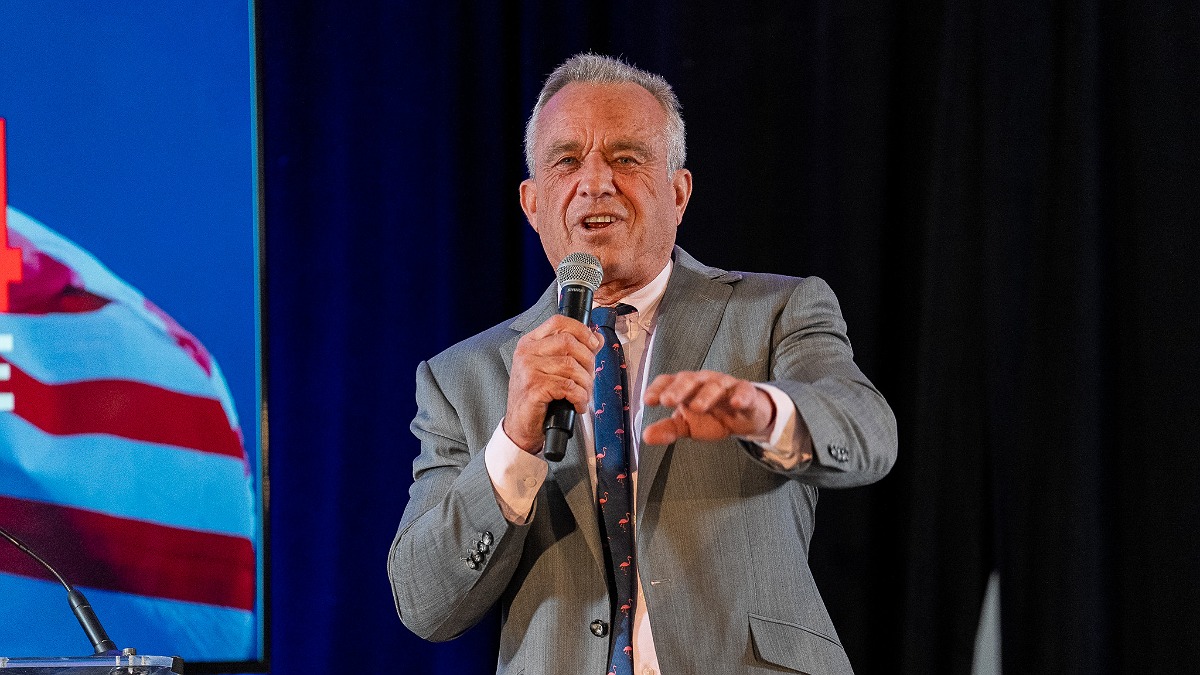

The recent announcement from the Department of Health and Human Services regarding the future of psychiatric medication has sent a wave of concern through the medical community and the millions of Americans who rely on these treatments. On Monday, Secretary of Health and Human Services Robert F. Kennedy Jr. announced “action to confront our nation’s mental health crisis by addressing the overuse of psychiatric medications,” MS NOW reported.
This initiative, which centers on the concept of moving toward a “holistic approach to mental health,” specifically targets the use of selective serotonin reuptake inhibitors, or SSRIs. While the administration frames this as a necessary step to curb “overprescribing” and “overmedicalization,” it is a move that threatens to disrupt the lives of roughly 1 in 5 American adults who navigate the complexities of depression on a daily basis.
The danger in Kennedy’s new initiative lies in how it frames these medications. By labeling SSRIs as drugs to be avoided and even comparing them to substances that are “harder to quit than heroin,” the administration is actively contributing to the stigma surrounding mental health. Ironically, RFK Jr. himself allegedly had a heroin addiction, which came to light recently.
We have made significant progress in recent years in destigmatizing the search for help
Yet a Harris/APA poll still indicates that 35% of Americans would view someone differently if they knew that person had a mental health condition. When the highest-ranking official in the Department of Health and Human Services uses such inflammatory language, it is almost certain to reverse that progress.
Clinicians already have guardrails in place to ensure medications are prescribed appropriately. Trained providers evaluate every patient individually, and insurance companies often require prior authorization for expensive or brand-name drugs, which acts as a secondary check.
While the administration argues that we need to pivot toward “holistic” wellness, like improved nutrition and exercise, these suggestions, while positive in a vacuum, simply aren’t a replacement for the pharmacological interventions that correct debilitating neurochemical imbalances. It is frustrating to see this focus on “wellness” when the administration has simultaneously advocated for large-scale cuts to the Substance Abuse and Mental Health Services Administration, Medicaid, and the Affordable Care Act.
The reality is that we are facing a massive shortage of mental health providers, with 122 million Americans living in areas where they simply cannot access the care they need. This is why nearly three-quarters of antidepressant prescriptions are handled by primary care providers rather than psychiatrists. Instead of addressing this systemic provider shortage or the insurance red tape that frequently delays and denies care, the administration has chosen to blame the medications themselves.
Top HHS officials did release a “Dear Colleague” letter alongside the announcement, advising clinicians to “support a treatment approach grounded in shared decision-making, patient autonomy, and fully informed consent.” While this sounds reasonable, it is actually standard practice in modern medicine. Doctors and patients already have ongoing conversations about side effects, energy levels, and the trade-offs of different medications. Suggesting that we need a policy shift to achieve this ignores the reality of current clinical decision-making.
Ultimately, this crusade against SSRIs risks discouraging people from seeking the very treatments that could save their lives. Branding these drugs as something to be avoided is a dangerous overcorrection that ignores the nuance of clinical care.
For those of us who have used these tools to build stable, productive lives, this rhetoric is not just frustrating, it is actively harmful to the millions of people who need evidence-based treatment to manage their mental health. We deserve a health policy that supports access to all forms of care, rather than one that denigrates the medications that allow us to survive and thrive.








Published: May 6, 2026 04:00 pm