




A major development in federal policy has emerged this week, as the Department of Justice announced a massive compensation fund that is already drawing intense scrutiny from lawmakers. Acting Attorney General Todd Blanche confirmed on Monday the creation of an anti-weaponization fund, which is set to manage a total of $1.776 billion.
The stated goal of this fund is to provide monetary relief and formal apologies to individuals who claim they were wrongfully targeted or investigated by the previous administration. It’s a bold move that has immediately ignited a firestorm of controversy regarding how taxpayer money is being handled.
The fund was established as a direct result of a settlement involving President Trump’s $10 billion lawsuit against the IRS. That lawsuit was originally filed in January after the president’s tax return information was leaked by a contractor. While the lawsuit has since been withdrawn, the settlement has paved the way for this nearly $1.8 billion program, The Hill reported.
According to the current leadership at the Department of Justice, this initiative is meant to address what they describe as lawfare and the weaponization of government machinery
Blanche stated, “The machinery of government should never be weaponized against any American, and it is this Department’s intention to make right the wrongs that were previously done while ensuring this never happens again.”
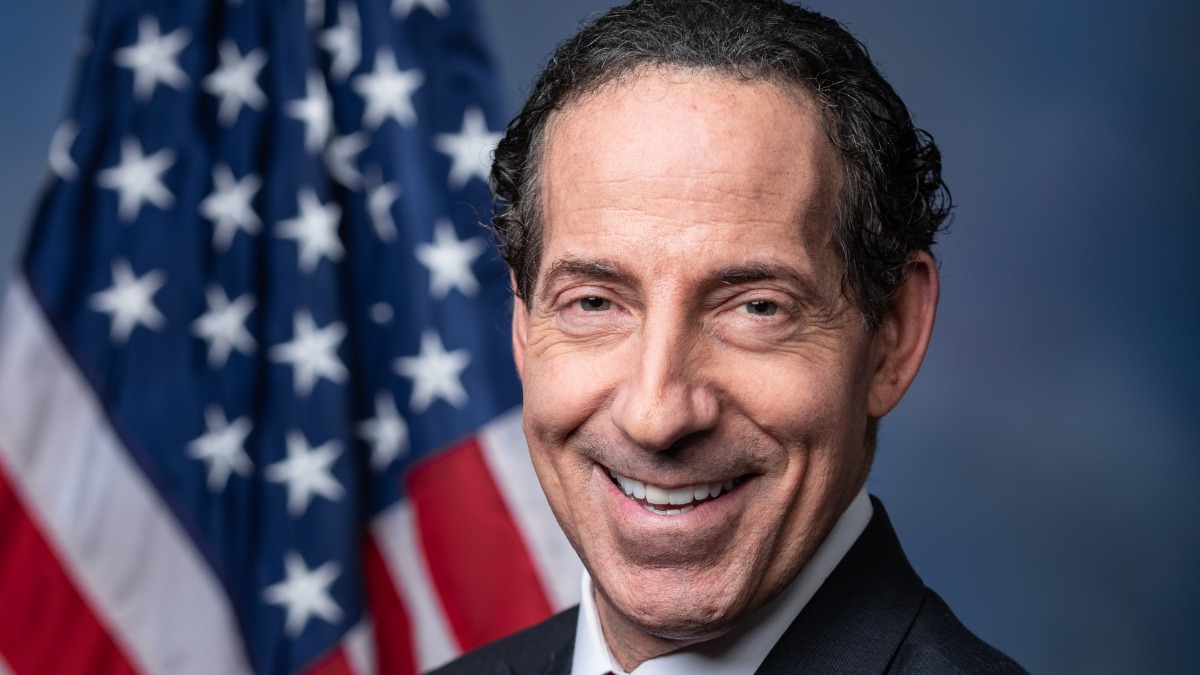
However, the opposition to this fund is significant and vocal. Representative Jamie Raskin, a Democrat from Maryland, didn’t hold back in his assessment of the program. During a conversation with Rachel Maddow on Monday, Raskin argued that the fund is essentially being used to bankroll a private militia. He went as far as to label the name of the fund as “the most Orwellian title you can imagine.”
Raskin’s concerns center on the idea that these tax dollars are being diverted to support individuals who have been involved in various acts of civil unrest. He specifically mentioned that the money could potentially reach groups like the Proud Boys and Oath Keepers.
The legal standing of this fund is also being heavily challenged. Raskin noted that if individuals truly believed they had viable legal claims, they would typically seek redress through the federal court system. He pointed out that those who have attempted to do so thus far have largely seen their cases dismissed.
Beyond the practical concerns, Raskin argued that the fund is “thoroughly illegal and unconstitutional” because it lacks explicit authorization from Congress. He also invoked the 14th Amendment, stating that it prohibits the use of the federal fisc to compensate individuals for insurrection or rebellion against the United States.
It isn’t just Democrats who are raising red flags. Senator Bill Cassidy, a Republican from Louisiana, has also publicly criticized the move, characterizing the program as a slush fund. Fresh off his recent primary campaign, Cassidy noted that his constituents are far more concerned with economic stability than with the creation of such a fund. He emphasized that the government should operate through established legal precedents rather than creating new mechanisms for payouts without congressional oversight.
The Department of Justice has attempted to defend the fund by citing the Keepseagle v. Vilsack case as a legal precedent. That case involved an Obama-era settlement designed to redress claims of racism against the federal government. However, experts like attorney Joseph Sellers have argued that the two situations are fundamentally different. Sellers noted that in the Keepseagle case, the remaining funds were directed toward the specific community that had been harmed, whereas the current fund lacks that kind of narrowly defined scope.
A group of 93 House Democrats has taken formal action by filing an amicus brief to stop the fund from moving forward. In the document, they argue that the settlement disregards the requirements of Article 3 of the Constitution because the president essentially controls both sides of the litigation. They described the situation as raising the “specter of corruption unparalleled in American history.” Representative Richard Neal, the ranking member of the House Ways and Means Committee, echoed this sentiment, calling the entire lawsuit a self-enrichment scheme that comes at the expense of hardworking taxpayers.
As it stands, the fund will be managed by a five-member committee appointed by the Department of Justice, with one seat designated for a member chosen in consultation with congressional leadership. The president retains the authority to remove any member of this committee.
While the administration has stated that there is no partisan requirement to file a claim, it remains unclear exactly how the committee will determine eligibility. The fund is scheduled to stop processing claims on December 1, 2028, and will cease operations on December 15, 2028. For now, the debate over whether this is a legitimate path to justice or a dangerous misuse of public funds continues to intensify.









Published: May 19, 2026 06:30 pm