



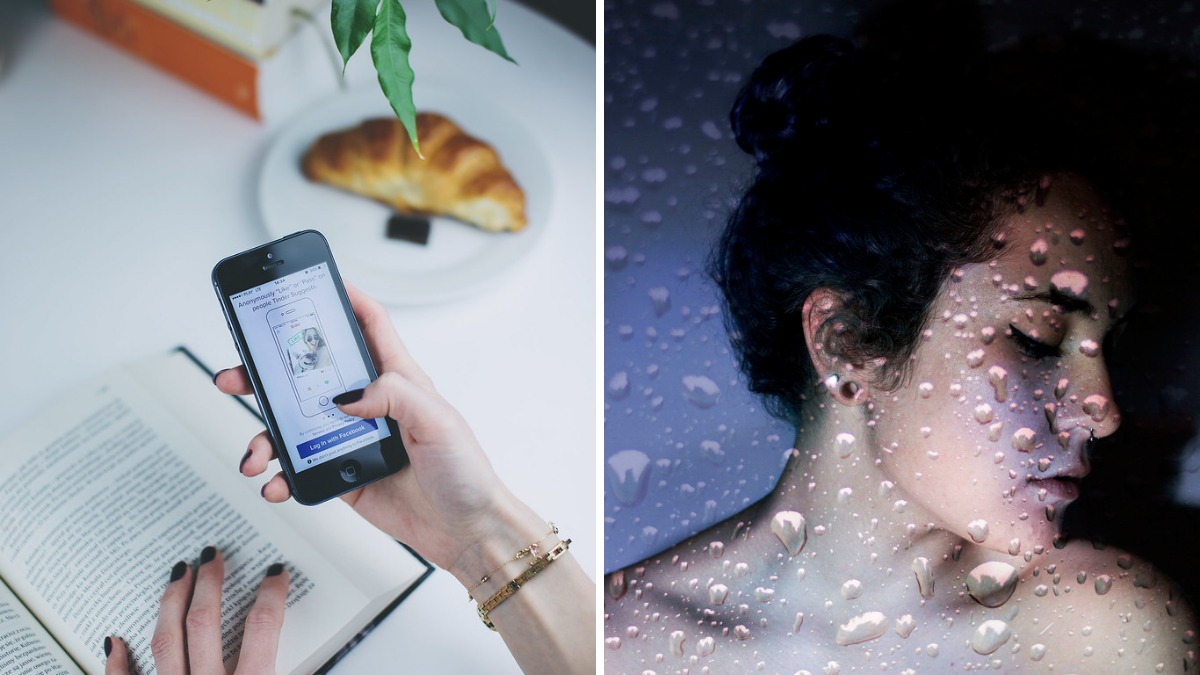

A teenager from Wales has been awarded £10,000 in compensation after discovering another woman had spent years using her photos to create fake social media and dating profiles. Thousands of strangers believed they were interacting with a real person. The impersonation eventually spilled into her everyday life, leaving her afraid of being recognized by people who thought the fake identity was hers.
Sasha-Jay Davies, 19, from Aberdare, took the case to London’s High Court after learning that the impersonation had been happening since she was just 16 years old. According to BBC Wales, Elha Mai Weston used Davies’ photos alongside AI-generated images to operate fake profiles across multiple platforms, building a massive online following while pretending to be someone else.
The court heard that the fake accounts attracted more than 100,000 followers under names including “Sophie” and “Sophie Kadare.” Weston ran the scheme for four years, from 2022 through this year, using Davies’ images on Tinder, Hinge, Snapchat, TikTok, Instagram, Facebook and SoundCloud.
The worst part wasn’t even the fake profiles
The online deception had serious real-world consequences for Davies. She told the court that she became scared to leave her home because strangers would recognize her from the fake profiles. One man even believed he had been in a genuine relationship with her after exchanging months of messages with one of Weston’s fake accounts. Davies said around twenty men and several women later contacted her directly, convinced they already knew her.
Davies said she rarely leaves the house because she never knows who might approach her next. She also told the court that boys have confronted her in person, accusing her of sending messages, leading them on and making plans that she had never actually made.
Even after Davies made her real social media accounts private, Weston allegedly continued the impersonation by using older photos and AI-edited images to keep the fake profiles active. The court heard Weston accepted that her actions were wrongful, acknowledged the significant distress she caused Davies and offered what was described as a full and unreserved apology.
The case also reflects a broader trend of AI being used to blur the line between real and fake online identities. We’ve recently seen another viral example where an Indian medical student reportedly earned thousands by posing as an AI-generated MAGA influencer, fooling large audiences on social media.
As part of a Tomlin Order, a legally binding civil agreement, Weston agreed to pay Davies £10,000 in compensation and promised not to repeat the behavior. If she breaches the agreement, she could be found in contempt of court, which carries the possibility of a prison sentence.
The case also highlights growing concerns about AI-generated imagery making catfishing increasingly difficult to detect, an issue that online safety advocates and dating shows have repeatedly warned about as deepfake technology becomes more accessible.
Davies said she would not wish the experience on anyone, adding that constantly being confronted over things she never did made her feel as though she had lost control of her own identity.
Platforms have also been stepping up efforts to deal with fake and inauthentic accounts. We’ve recently seen that when Instagram removed millions of fake profiles, Cristiano Ronaldo unexpectedly lost more than six million followers overnight.





Published: Jul 17, 2026 06:15 pm