




When I first started building my mega-bases in Minecraft, I spent way too much time staring at plain cobblestone and wood. It’s a classic look, but my projects never really felt professional until I discovered the 1.12 World of Color update. Concrete changed the game for me. It is the smoothest, most vibrant block you can get, and unlike wool, it won’t burn down if a stray lightning strike hits your roof. I have spent years perfecting industrial-scale concrete factories, and I have realized that most players are doing it the slow way. If you want your builds to truly stand out, you need to master the math and hidden mechanics behind this block.
How to get your first batch of concrete powder
To get started, I always focus on crafting concrete powder first. This is a gravity-affected block, meaning it falls just like sand or gravel. I usually gather my materials in bulk because the recipe is generous: it gives you eight blocks of powder for every single dye you use. I have found that the colors in our modern versions are actually based on the Jonni Palette 0.2, an internal Mojang standard named after developer Jonni Ross to ensure materials like white concrete remain pure and vibrant compared to the muted tones of terracotta.
To craft a batch, you will need to open your crafting table and combine the following in a shapeless recipe:
- Four blocks of sand. I suggest hitting up a desert or beach with an Efficiency pickaxe for this.
- Four blocks of gravel. You can find this in caves or mountain biomes, but I personally prefer the Windswept Gravelly Hills for bulk harvesting.
- One dye of any color. I get mine from flower farms or by trading with Shepherds.
One thing I learned the hard way is that red sand does not work for this recipe. You have to use the standard yellow sand. It is a bit of a strange limitation in the game engine, but it means you cannot just set up shop in a badlands biome and expect to start a concrete empire. If you are starting fresh, you might want to check out the diamonds so you can get a high-tier pickaxe before you start clearing out entire deserts for sand.
Why concrete takes longer to mine than stone
A lot of people think concrete is just as easy to break as stone, but the numbers tell a different story. I call this the Hardness Paradox. Concrete has a hardness value of 1.8, while standard stone is only 1.5. This difference is critical for high-speed builds.
In my experience, even if you have a Netherite pickaxe with Efficiency V and a Haste II beacon, you cannot instantly mine concrete. To instantly mine a block, you need to break it in exactly one game tick, which is 0.05 seconds. The formula for breaking speed looks like this:
To find the Damage Per Tick, take the Tool Multiplier and add it to the sum of the Efficiency Level squared plus one. Then, multiply that entire result by one plus twenty percent of the Haste Level.
For stone, the threshold is 45. A maxed Netherite setup hits 49, so it breaks instantly. But for concrete, the threshold is 54. Since 49 is less than 54, the game adds a hardcoded 6-tick delay. This means mining concrete takes me about 0.15 seconds per block, which is three times slower than stone. If you are planning a massive skyscraper, I suggest accounting for this 300 percent time-cost in your schedule.
The trick to instant solidification using spatial updates
Turning your powder into solid concrete requires water, but it is not as simple as just getting it wet. I have tested this thoroughly, and things like rain, splash water bottles, or even a full cauldron will do absolutely nothing. You need a water source block, flowing water, or a waterlogged block to trigger the change.
There is some hyper-specific spatial data that I use to speed up my automation. When you place a block of powder, the game engine runs a Post Placement (PP) update. It checks the surrounding blocks in a very specific order to see if it should turn into concrete. That order is:
- West (-X)
- East (+X)
- North (-Z)
- South (+Z)
- Down (-Y)
- Up (+Y)
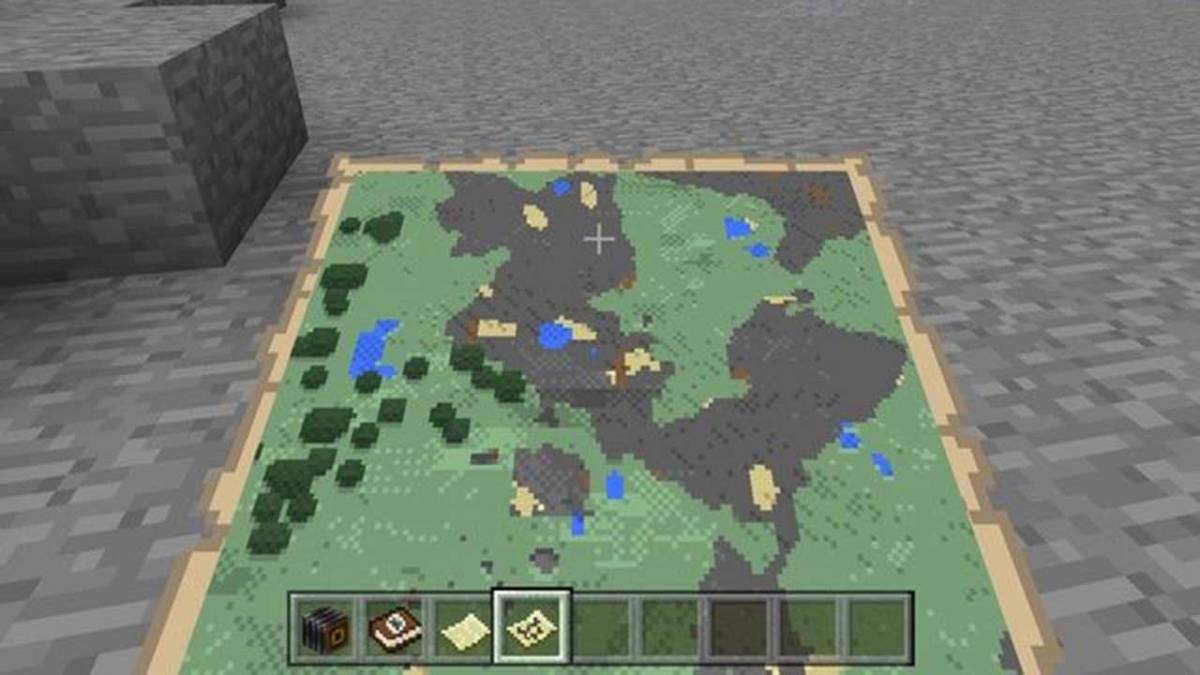
If you are building an automatic converter, I found that placing your water source to the West of your placement point optimizes the update response. It is a tiny detail, but for a high-speed factory, every millisecond counts. If you are having trouble orienting yourself, you can learn how to master the 1.21 grid and make a map to stay on top of your coordinates.
Building an automatic concrete factory in patch 1.21
Since the 1.21 Tricky Trials update, I have completely changed how I produce concrete. The new Crafter block is a game-changer for industrial builds. Because the concrete powder recipe is shapeless, you can feed sand, gravel, and dye into a Crafter using hoppers. The trick I use involves redstone comparators to monitor the Crafter.
I set up my comparator in subtraction mode with a signal strength of 8 coming from a side input. This ensures the Crafter only fires when it hits a signal strength of 9, meaning all nine slots are full with the 4:4:1 ratio. I then combine this with a TNT blaster. In version 1.21, TNT now has a 100 percent block drop rate, so I can blast and collect my concrete with zero loss. My current design churns out roughly 54,000 blocks per hour, which is about 15 blocks every single second.
Mastering the industrial economy and the sand bottleneck
The biggest hurdle for me has always been the sand. While gravel is easy to get through Piglin bartering, sand is a major bottleneck. In survival mode, sand is non-renewable except through the Wandering Trader, who only sells 24 blocks at a time. This makes large-scale urban development a logistical challenge.
I suggest using Piglins to handle your gravel needs so you can save your shovels for the desert. When I trade a gold ingot to a Piglin, there is an 8.71 percent chance they will drop 8 to 16 gravel. On average, you get about 1.05 gravel per ingot. For the rest of your logistics, I recommend setting up a trading hall. You can find the easiest ways to attract and move villagers in Minecraft to get your trading hub started. I usually focus on these three:
- Shepherd Villagers: These are my go-to for dyes. They buy extra wool and sell the pigments I need for colorful builds.
- Fletcher Villagers: I trade them my extra flint for emeralds, which helps clear out my inventory while mining gravel.
- Mason Villagers: These are essential for the endgame.






Published: Apr 23, 2026 03:19 pm