


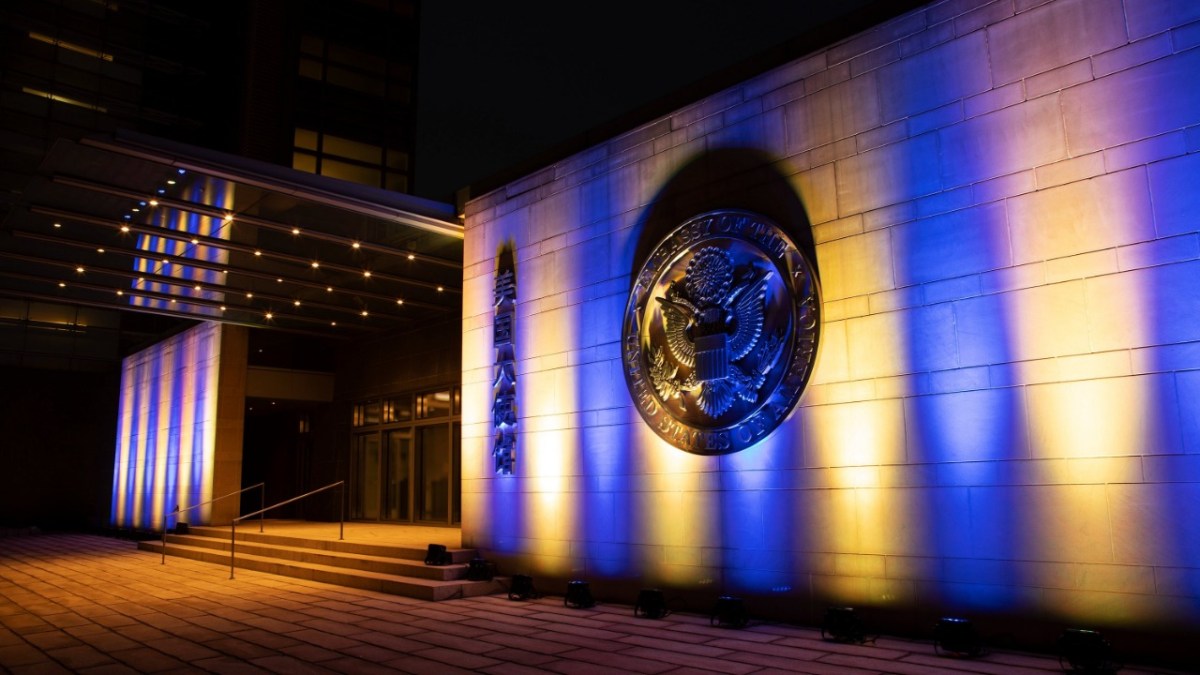

During every election cycle, American citizens living abroad have to do a little extra legwork to vote. A recent Instagram post by Jen Willmen (byewillmen), a teacher from New York who works in Beijing, China, highlighted how difficult and frustrating the process can be. In a video with hundreds of thousands of views, she told her viewers, as she walked away from the embassy, that she had called ahead to find out when she could submit her absentee ballot.
Willmen said the embassy staff told her citizens could drop off their ballots from 1:30 PM to 3:00 PM, Monday through Friday, so she cleared her Wednesday and arrived at 2:00 PM. However, the Chinese guards allegedly told her that the entire embassy was in a meeting. She said, “So they had one guy running in. They couldn’t find anyone. Not one human being.” She said she waited 25 minutes until it began to feel “like this is voter suppression.”
According to Willmen, she finally called the embassy lines herself until someone answered and came down to get her ballot. “You should have had someone at the register no matter what,” she said, “if you’re telling your American citizens abroad that they can vote between 1:30 and 3:00 PM at our embassy.” She had also mentioned in her post that she carefully adjusted her schedule to ensure her ballot reached the state in time.
Many commenters who also live abroad shared their experiences
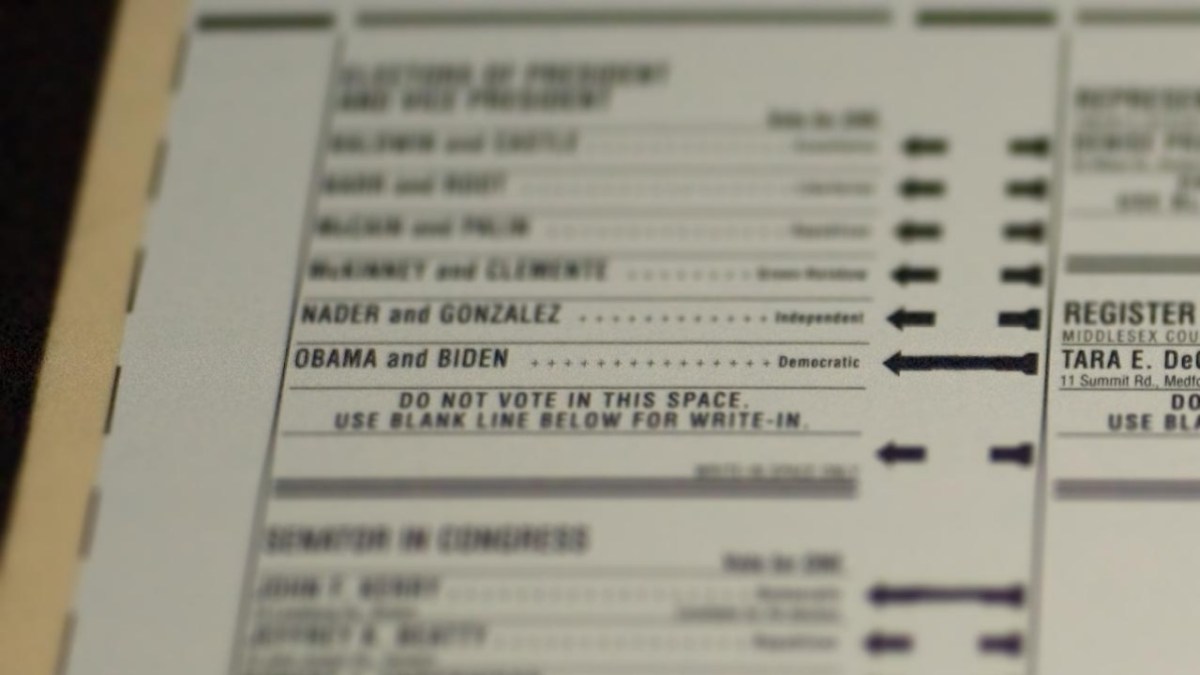
Despite all the concerns about mail-in ballots, Willmen’s post was filled with commenters who shared their struggles with their only way to vote. One user in Australia claimed that they “didn’t receive my ballot from WI until last week,” so they paid to get it sent by international registered mail to ensure it reached on time. Another resident of Berlin, stating they dropped off ballots at the embassy where staff were friendly, but “two weeks later the ballots have not been received.”
Another user claimed, “They didn’t count my daughter’s ballot of the last general election. She voted from Norway.” One user saw all these stories as a cause for concern, writing, “I have zero faith in this election. Stories like this everywhere.” Some users praised the states, like Washington State, which allow citizens abroad to email their ballots.
Eventually, users thanked her for sharing her experience, with one user noting, “It gives me hope that there are more of us than them – We the people…and let’s not forget it.” As for Willmen, at the end of her post, she told her viewers, “I did not give up. Did not take no for an answer. I almost, like, started crying. I’m like, no one’s suppressing my vote.”
Attack of the Fanboy was unable to independently verify the Beijing US Embassy’s side of the story, as this account originates solely from Willmen’s Instagram post.








Published: Oct 28, 2026 06:15 pm