


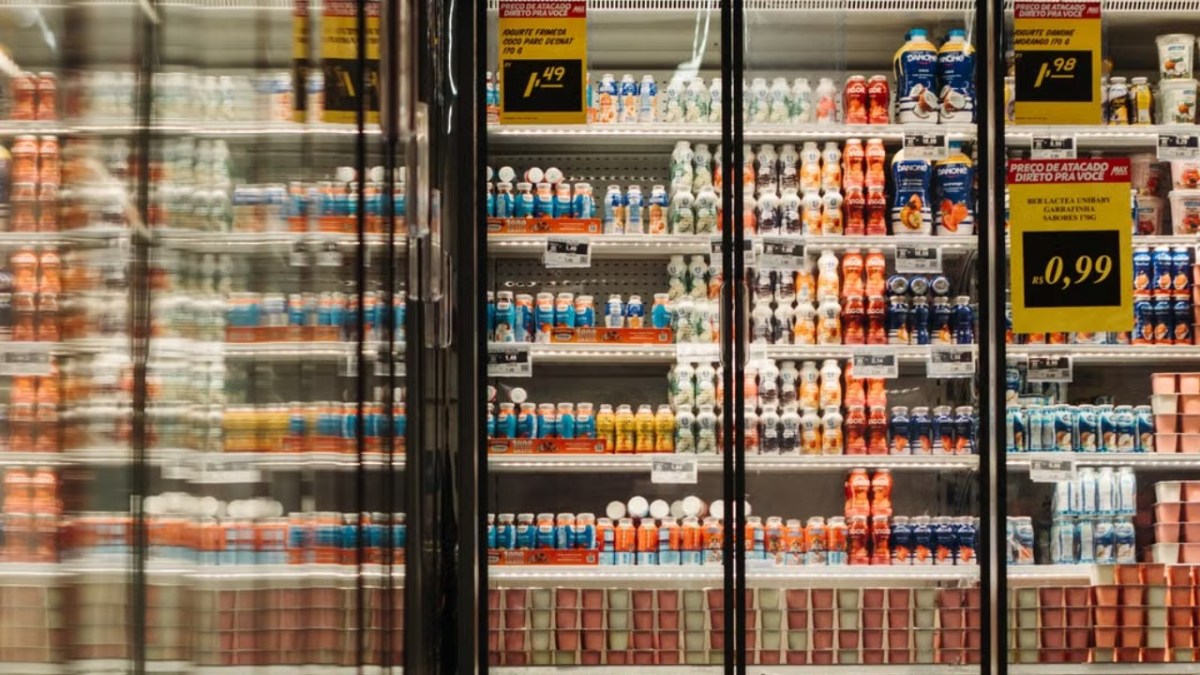

Hackers have raised supermarket freezer temperatures across Europe, causing widespread food spoilage and raising concerns about the security of everyday infrastructure. Retailers reported serious issues with their refrigeration systems on Monday. In some cases, temperatures inside these units climbed as high as 50C (122F).
According to the BBC, dozens of supermarkets across seven European countries were hit. Around 40 Delhaize supermarkets in Belgium and Luxembourg were affected, while a smaller number of shops had issues in Sweden, Ireland, the Netherlands, Estonia, and Finland.
While the UK has seen no direct grocery chain impacts yet, some meat suppliers have been hit, per The Guardian. The British Association of Independent Meat Suppliers said some of its members were affected after becoming collateral in the hack. One meat supplier saw its cold units rise to up to 100C (212F), while two others reported their units had started to defrost. The association said no meat had been lost in those specific refrigeration hacks.
The UK cyber division sees this as just the beginning
The outlet noted that a London fruit and vegetable wholesaler also faced an attempted breach. Alex Pearce, managing director of Langridge Organic, said the hackers had changed the parameters on a number of units, setting them to defrost for more than four hours at 150C (302F). Pearce and his staff managed to intervene before any stock could be damaged. “It clearly must have been easy to get in [to the system] because the simple solution was to unplug ourselves from the internet,” he said.
The UK’s National Cyber Security Centre is working with affected companies, though it noted the national impact was minimal. The NCSC director of operations, Paul Chichester, said: “We’re aware of those incidents in the UK, and obviously we’re working with the affected organisations. We’ll keep monitoring that. At the moment, the impact is minimal.” Chichester also said the attacks were not AI-enabled and had used vulnerabilities that had been “out there for a long period of time.”
According to the BBC, the NCSC is also working with international partners to “fully understand details of an incident.” Richard Horne, the chief executive of the NCSC, suggested the fridge attacks represent the “foothills” of an enlarged cyber threat, per The Guardian. “There are so many vulnerabilities out there that … you could say are waiting to be exploited,” he added. The warning came days after North Korea-linked hackers pulled off the record Binance crypto heist.
Cybersecurity researchers have also been studying the freezer hacks, The Guardian noted. Xavier Bellekens, the chief executive of the cyber defense firm Lupovis, set up online honeypot traps indistinguishable from real Danfoss fridge controllers. He recorded 256 attempted attacks from 91 different sources between Oct. 20 and Oct. 30. He noted that the attackers often used factory-default username and password credentials.
“What caught our attention was the overlap between infrastructure involved in the recent probing activity and infrastructure we have previously associated with Russian-linked malicious operations,” he said, according to The Guardian. “While we are not able to pinpoint a group yet, the number of actors that fit this bill is relatively small and the bulletproof hosting we have seen being used by these actors for probing was also being used by Russian groups some time ago.”
Ollie Whitehouse, the chief technology officer at the NCSC, reportedly said manufacturers need to be encouraged to make their technology safer, and consumers need to accept paying more for safer equipment. He pointed out that everyday devices could be susceptible to hackers just through an internet connection.









Published: Nov 5, 2026 10:15 am