



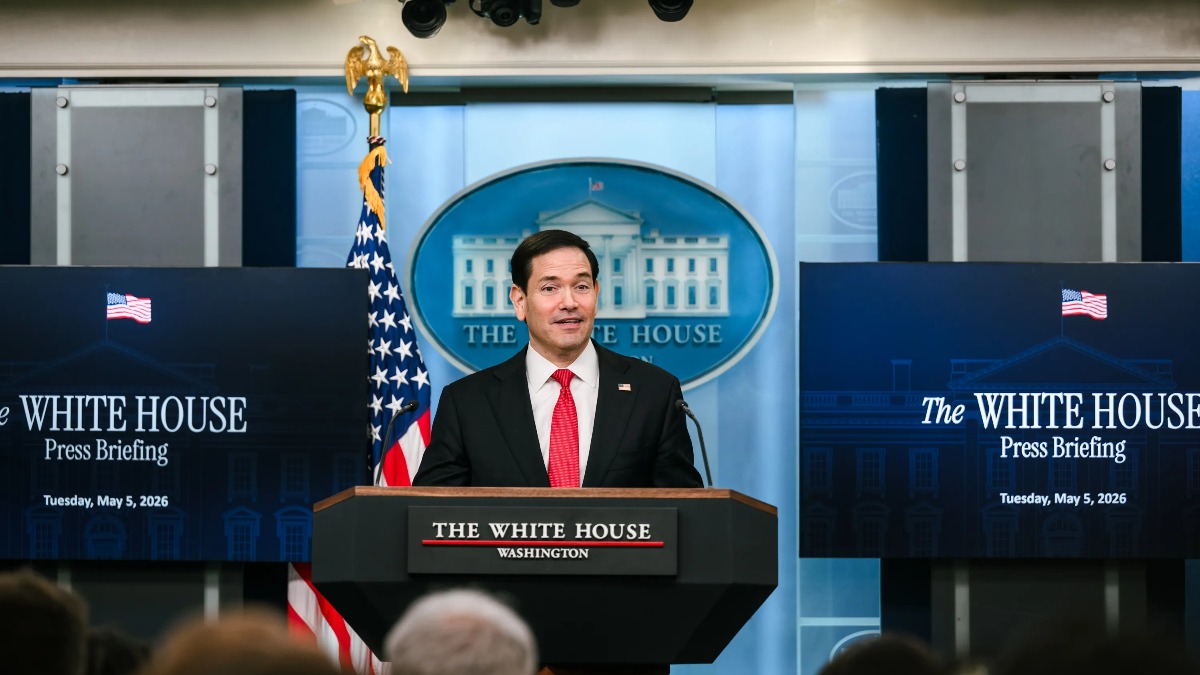

Secretary of State Marco Rubio is reportedly exercising sweeping control over Venezuela, effectively acting as the country’s de facto leader from Washington. While President Trump has joked about sending him to Caracas permanently, Rubio already manages the country’s finances, natural resources, and government appointments, according to officials familiar with the arrangement.
The New York Times reports that this has been the case for the six months following the U.S. capture of Nicolás Maduro, and officials within both the American and Venezuelan governments have taken to calling Rubio a “viceroy.”
The scale of this influence is being compared to the U.S. presence in Iraq in 2003. Rubio maintains constant communication with Delcy Rodríguez, who leads Venezuela on an acting basis with U.S. support. The two reportedly exchange messages on WhatsApp, including birthday wishes, gossip, and selfies, though the broader relationship is one of clear American dominance.
Rubio reshaped Venezuela’s oil sector, military ties, and path to elections
The U.S. Treasury currently handles revenue from the majority of Venezuela’s exports, distributing funds back to the country only after setting strict conditions on how that money is used. This financial control gives Rubio significant leverage, as he oversees the application of sanctions and determines which entities are permitted to do business in the country.
Rubio has played a central role in reshaping Venezuela’s oil sector to favor American companies, often prioritizing them over existing European producers. Rodríguez also reportedly clears major government personnel decisions directly with him, including the appointment of the minister of defense. Reportedly, Trump wanted to create a similar scenario in Iran.
The depth of this integration became visible in June, when Venezuelan officials provided intelligence that allowed the U.S. to carry out a missile strike against a criminal leader in southern Venezuela, marking the first military collaboration between the two countries in decades.
The Trump administration has also exercised control over public messaging, reportedly pressuring Rodríguez to delete a social media post that offered only a soft condemnation of an attack on an Iranian ally.
Rubio’s involvement is part of a broader, three-phase plan intended to stabilize Venezuela, recover its economy, and eventually transition it to democracy. Following two major earthquakes that struck Venezuela last month, the U.S. deployed 900 military personnel and committed nearly $400 million in aid.
However, the ultimate goal of the strategy, according to reporting on the arrangement, remains securing Venezuelan oil for U.S. interests. The current approach has caused friction among career diplomats and some allies, who are uncomfortable with the administration working so closely with a former lieutenant of Maduro.
Rubio has largely sidelined exiled opposition leader María Corina Machado in favor of the arrangement with Rodríguez. When asked about the timeline for free elections, Rodríguez recently suggested the timing was uncertain. Similar national pride and political tension have surfaced in other arenas, like Venezuela’s recent victory over the U.S. in the World Baseball Classic final.
Ultimately, the decision on when elections might take place rests with Rubio, not the leadership in Caracas. The administration continues to manage the country’s affairs with a level of direct oversight that, according to officials in both governments, has not been seen in decades.



Published: Jul 12, 2026 09:00 am