



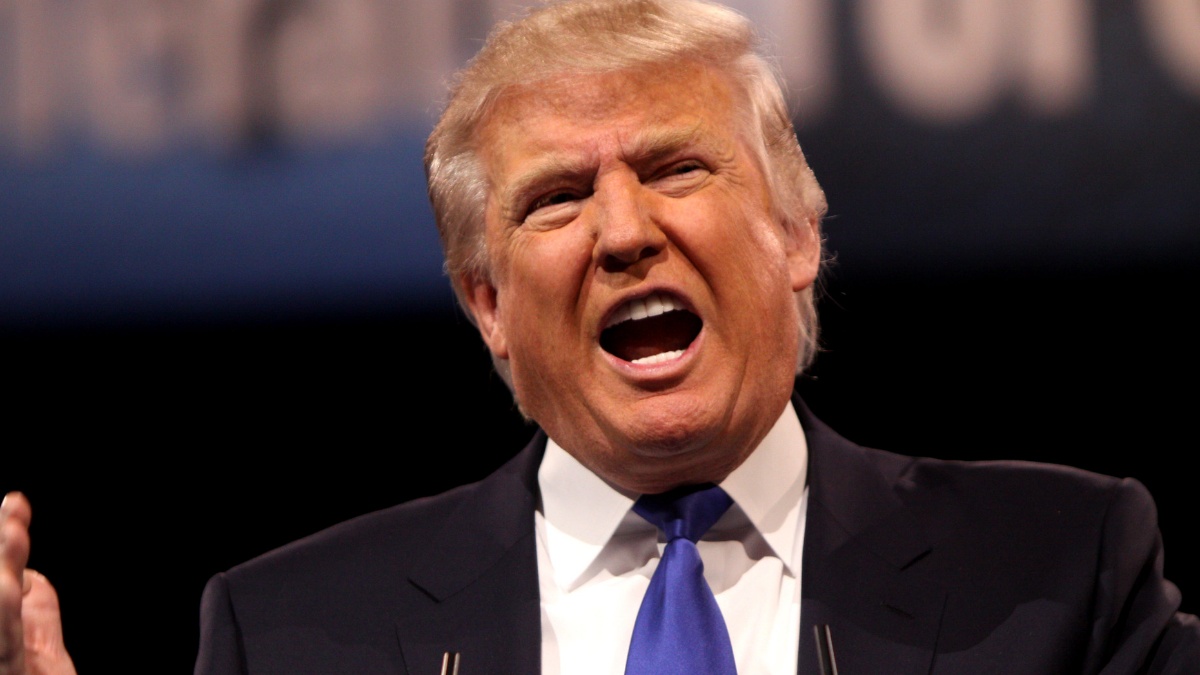

President Donald Trump recently suggested that the United States could carry out a “friendly takeover” of Cuba, saying it would be “very positive” for the island’s people. He made this statement on Friday while preparing to board Marine One at the White House, heading to Texas. Secretary of State Marco Rubio, known for his hard stance on Cuba, is reportedly leading this initiative at a “very high level.”
Trump said the Cuban government is currently “in a big deal of trouble,” adding that “they have no money. They have no anything right now.” According to Al Jazeera, he also said, “Since I’m a little boy, I’ve been hearing about Cuba, and everybody wanted to change, and I can see that happening.” Discussions, he said, are already ongoing.
The US has kept a full trade embargo on Cuba since the 1960s. Tensions got worse after January 3, when Trump authorized a military operation targeting Venezuelan President Nicolas Maduro, a close Cuban ally. The operation resulted in the deaths of an estimated 32 Cuban soldiers, along with Venezuelan military personnel.
The US blockade on Cuba is pushing the island toward a humanitarian collapse
After this, Trump intensified pressure on Cuba, saying its government was “ready to fall.” On January 11, he declared that no Venezuelan oil or money would reach Cuba. Then on January 29, he issued an executive order threatening tariffs on any country that supplies oil to the island, directly or indirectly. The United Nations has warned that this blockade could lead to an imminent humanitarian “collapse” if supplies are not restored.
A panel of UN human rights experts questioned Trump’s claim that Cuba poses an “unusual and extraordinary threat” to US national security. They called the fuel blockade “an extreme form of unilateral economic coercion” that violates international law, stating, “There is no right under international law to impose economic penalties on third States for engaging in lawful trade with another sovereign country.”
With tensions rising across the region, US military activity in the Middle East is also escalating, with satellite images showing dozens of American jets flooding a Jordan base amid Iran strike talks. This push aligns with Trump’s broader vision for American influence.
In his 2025 inaugural speech, he pledged that the US “will once again consider itself a growing nation.” He has previously suggested the US should “own” Gaza and “run” Venezuela, and has pressured Greenland, Canada, and Panama to give up sovereignty.
Cuban President Miguel Diaz-Canel has strongly pushed back, calling Trump’s actions evidence of US imperialism. On January 30, he accused Trump of trying “to strangle the Cuban economy” with the fuel blockade, and wrote on social media that “This new measure reveals the fascist, criminal, and genocidal nature of a cabal that has hijacked the interests of the American people for purely personal gain.”
Despite the pressure, there are some signs the US may be willing to ease certain restrictions. In February, the Trump administration announced $6 million in humanitarian aid for Cuba, to be distributed through groups like the Catholic Church, bypassing the Cuban government. The US Treasury also said it would “implement a favorable licensing policy” for the resale of Venezuelan oil to Cuba, as long as transactions avoid the Cuban government and its military.
Diaz-Canel remains defiant, saying on Friday that his government “will defend itself with determination and firmness against any terrorist or mercenary aggression that seeks to undermine its sovereignty and national stability.” This comes after Cuba recently reported a deadly shootout with a Florida-tagged speedboat near its shores, describing it as an “infiltration for terrorist purposes,” which the US government has denied.


Published: Feb 28, 2026 02:45 am