



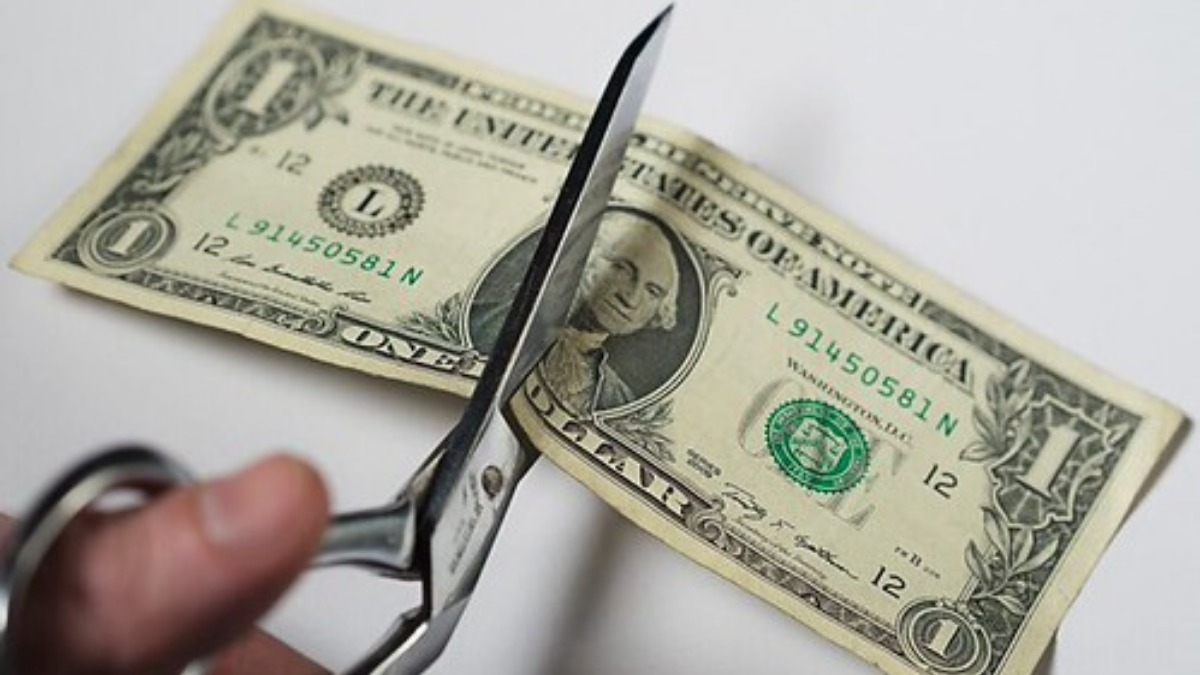

The global financial landscape just hit a massive, unexpected speed bump that could change how the world trades energy. In a series of high-level meetings held in Washington, the United Arab Emirates dropped a major warning that it might be forced to shift some of its oil sales into the Chinese yuan if the current wartime dollar shortages continue to plague its economy, as reported by Defense Security Asia. This is being viewed as the most serious challenge to the petrodollar system since it was first established back in the 1970s.
The warning follows a massive wave of Iranian missile and drone attacks that involved more than 2,800 projectiles. These strikes caused physical damage to energy infrastructure and disrupted tanker movements through the Strait of Hormuz. Because that specific waterway handles roughly one-fifth of all globally traded petroleum, even a temporary disruption creates a nightmare for export revenues, foreign reserves, and, crucially, domestic dollar liquidity.
During the discussions in Washington, UAE Central Bank Governor Khaled Mohamed Balama made it clear that Abu Dhabi is feeling the squeeze. Balama reportedly told American officials that if the UAE continues to run short of dollars, they may have little choice but to move toward using Chinese yuan or other currencies for their oil transactions. This is a big deal because the Emirati dirham is currently pegged directly to the US dollar.
Any sustained shortage of dollars fundamentally threatens the stability of the entire Emirati financial system
It’s easy to see why this is so nerve-wracking for Washington. While Abu Dhabi entered this crisis with over US$270 billion in reserves, a prolonged disruption in exports could gradually drain those dollar buffers. The recovery of full oil exports is currently projected to take until late June, leaving a long window where reduced revenues put serious pressure on the country’s finances.
In response, Balama discussed the potential for a currency swap line with the US Treasury and the Federal Reserve. This kind of mechanism would give Abu Dhabi rapid access to American dollars during emergencies, effectively shoring up the dirham peg and keeping investor confidence from cratering.
While Emirati officials described this request as a precautionary measure, the underlying anxiety is palpable. Unlike countries like Britain, Japan, or Canada, the UAE doesn’t have a permanent Federal Reserve swap arrangement. This leaves them in a precarious position where they are structurally dependent on dollar inflows that are currently being interrupted by regional conflict.
Some American officials interpreted this message as a mix of a genuine liquidity concern and a calculated diplomatic signal. By putting the yuan on the table, the UAE is essentially pushing for faster emergency financial assistance. Regardless of the specific intent, the episode has turned a regional funding problem into a much wider debate about global currency dominance.
For Beijing, this is a massive win. It’s the strongest indication yet that geopolitical conflict could fast-track Chinese ambitions to internationalise the yuan through the energy markets. China has been building the infrastructure for this for years, including bilateral currency swaps and the mBridge digital payment initiative, which allows for cross-border settlements without Western intermediaries.
For Washington, the situation is a strategic wake-up call. It demonstrates that military escalation in the Gulf has direct, long-term monetary consequences. The petrodollar system has anchored American financial power for decades by ensuring that oil is traded in dollars, which in turn encourages countries to hold US Treasuries and keeps American borrowing costs low.
If a major producer like the UAE starts experimenting with the yuan, it provides political legitimacy for other nations to do the same. Even if a total shift isn’t on the horizon, the mere existence of a credible alternative weakens Washington’s leverage.
Ultimately, most analysts believe this is currently more about diplomatic signaling than an immediate move to dump the dollar. The dirham is still pegged to the greenback, and an abrupt change would be self-destructive for the Emirati economy.
However, the message is clear: the petrodollar system relies on more than just economics. It relies on the absolute confidence that Washington can provide security and economic stability. If Gulf partners start to feel that American involvement creates more instability than it solves, they are going to look for other options. Whether or not Abu Dhabi gets that swap line, the rest of the world is watching closely, and the foundations of the international order are being tested in real time.







Published: Apr 22, 2026 05:30 pm