


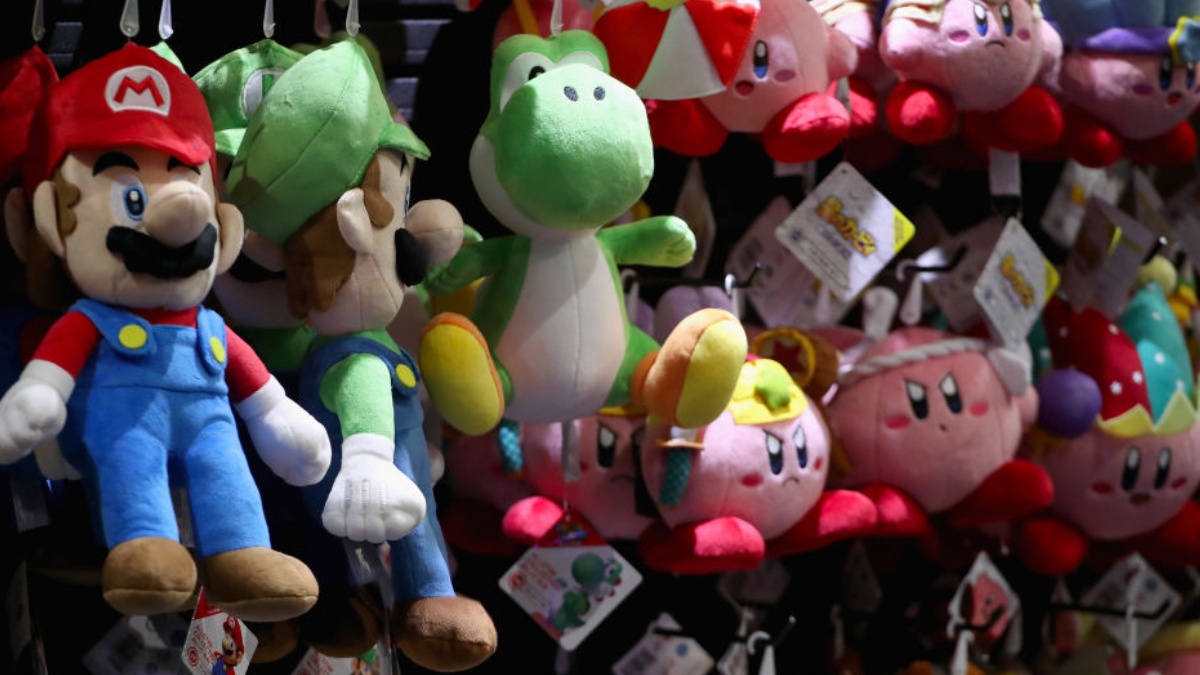

Nintendo revealed a new toy line for children. As noted by Daily Dot, the announcement quickly sparked an online debate over whether the company used artificial intelligence to generate its promotional images.
The controversy centers on a photograph posted by the Nintendo Store X account that shows a parent holding a Mario toy alongside a child. Viewers focused on the parent’s hand, specifically a thumb that appears to bend at an unusual angle around the toy, twisting sharply backward in a way many found unsettling.
Because distorted hands are a common flaw in AI-generated images, some social media users quickly concluded the photo must have been created using generative AI. That kind of rapid judgment has become increasingly common as AI becomes more visible in retail and marketing.
The photo sparked an AI debate before a closer look changed minds
The reaction was swift, with commenters accusing Nintendo of using AI in its ad campaign. Others questioned why the company would choose an image featuring such an awkward-looking grip, even if it were authentic. That suspicion reflects broader anxiety about AI’s expanding role in consumer spaces, as seen in this recent example of how Google’s AI could change the way you shop.
A well-known YouTuber, GameXplain, later analyzed the image in detail, asking whether Nintendo had been “caught using Gen AI” before concluding the answer was no. He argued that the photo lacked other common signs of AI generation, noting that additional hands in the image appeared normal and that details like fabric folds, worn furniture, and leaves outside looked realistic. He said he found no clear indicators of AI use in the image or in other photos from the same set.
To further test the claim, the YouTuber attempted to recreate the thumb position himself. After some effort, he managed to mimic the pose, admitting it was uncomfortable but possible. Based on this experiment, he said he was certain the images were not AI-generated.
The explanation shifted the conversation away from AI conspiracy theories and toward human flexibility. Similar to other viral incidents that gain traction through confusion and shock rather than clear answers, such as this bizarre FedEx delivery case where destroyed clothing raised unanswered questions, the Nintendo image sparked intense scrutiny before viewers examined the details more closely.
Social media reactions ranged from jokes about adopting a “Mario-grip” to frustration over the accusation itself. Several users pushed back against the AI narrative, pointing out that thumbs can move in unexpected ways and that it was unfair to label a real person as artificial.







Published: Jan 13, 2026 05:00 am