



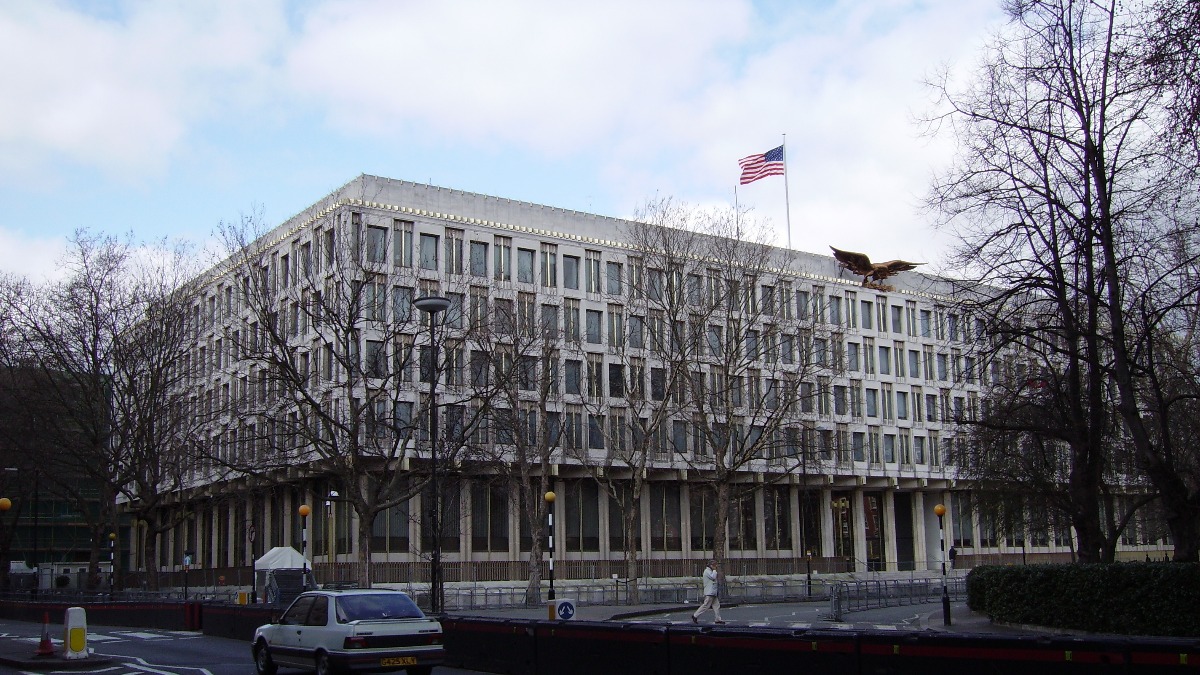

About 2,000 U.S. diplomats have left the Foreign Service over the past year, a large departure that has taken away decades of knowledge, language skills, and crisis experience from the State Department. These departures include both layoffs and forced retirements.
The losses come as the country deals with a growing number of foreign policy problems, according to NBC News. The effect has been strong, especially as the Trump administration continues to leave important leadership jobs empty.
According to the American Foreign Service Association, more than half of U.S. ambassador posts around the world still have no Senate-confirmed leaders. This includes key posts in regions like the Middle East and Africa, where the U.S. is now handling difficult conflicts and public health emergencies, such as an Ebola outbreak in the Democratic Republic of the Congo.
Senior officers describe limited options under the new administration
For many experienced professionals, the change has been difficult. Kelly Adams-Smith, a diplomat with 28 years of experience, found her path blocked after her 2024 nomination as ambassador to Moldova was withdrawn by the Trump administration in February 2025.
Like many others, she found that the current system offers few chances for senior officers who are not aligned with the administration’s new direction. After being offered little to no future work, she felt she had no choice but to retire. These officers were expected to mentor the next generation and lead during unstable times.
The administration’s approach to staffing has been very different from the past. While it is normal for a president to name political allies to certain posts, career foreign service officers have historically led most U.S. missions. Today, less than 8% of the administration’s ambassador-level nominees are career diplomats. The empty posts include regions where NATO prepares to defend its territory against rising security threats.
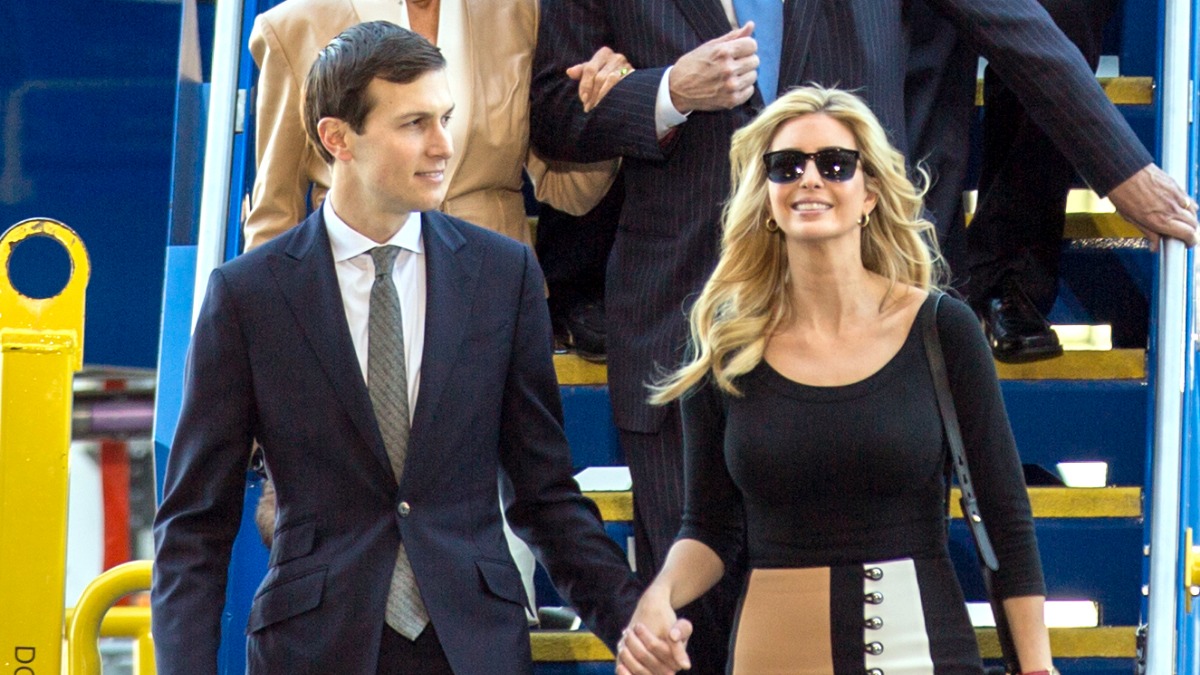
Former officials say the administration has been clear about viewing the Foreign Service as an obstacle rather than a tool, often setting aside experts in favor of political appointees or non-diplomats. For example, talks involving Russia and the Middle East have often been led by figures like Jared Kushner and Steve Witkoff rather than career experts. Some of these efforts touch on sensitive matters, including Iran’s refusal to negotiate under threat.
State Department spokesman Tommy Pigott defended the administration’s position, saying the president has the right to choose who represents American interests. He said the department remains confident in its workforce and is focused on carrying out an America first foreign policy. Pigott also pushed back against concerns about politicization, arguing that the administration is simply reversing earlier policies and prioritizing accountability.
The internal climate has changed in a major way. New performance review systems, which include a bell curve to limit top ratings and a focus on fidelity, have left many officers feeling that their expertise is no longer valued. Some former diplomats described a culture where taking initiative is now viewed with suspicion, leading to an environment where professionals are afraid to speak their minds.
Elizabeth Horst, who served across several administrations before leaving to work in sustainable agriculture, pointed to the long-term effects of this loss of experienced staff. She said the current lack of infrastructure makes it harder to protect Americans overseas and support the commerce that drives U.S. jobs.
As these experienced experts leave, the gap in leadership is creating real-world risks, and the challenge of keeping consistent foreign policy and protecting national interests will likely grow. Reports also suggest that a gap that will not be easily filled for years to come.




Published: Jun 2, 2026 03:15 pm