



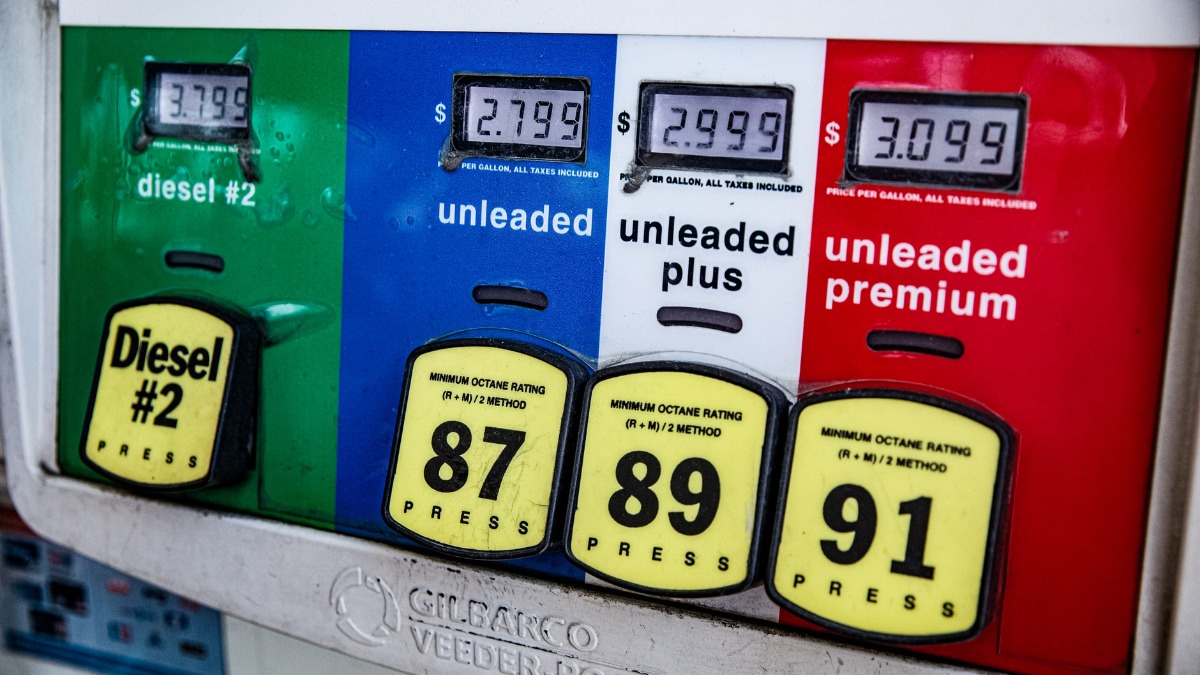

A group of California consumers has filed a federal lawsuit in Sacramento alleging that major gas station operators are using artificial intelligence to manipulate pump prices. The complaint, filed Monday, names some of the largest companies in the industry, including Walmart Inc., Marathon Petroleum Corp., BP Plc, and 7-Eleven Inc. As detailed by Popular Information, the suit claims these companies are working together to keep fuel prices artificially high in a state that already has the highest gas prices in the country. None of the named companies have publicly responded to the allegations.
At the center of the case is a software platform called Kalibrate Fuel Pricing. Bloomberg reports that the lawsuit alleges that the tool facilitates a conspiracy to extinguish retail price competition by allowing gas stations to automatically adjust prices using confidential data from competitors. Instead of competing by undercutting one another, the complaint claims, stations using Kalibrate are coordinating to stabilize and raise prices across the board.
The financial impact on drivers is significant, according to the complaint. Stations using the software allegedly charge between 6 and 30 cents more per gallon, and the suit estimates that a single one-cent increase at the pump drains $134 million from California drivers each year. The lawsuit also describes how Kalibrate connects directly to gas station signs and pumps, bypassing manual pricing decisions, and points to a feature called a “restoration,” in which nearly all stations in an area allegedly raise prices at the same time and by a large amount.
Kalibrate’s own marketing materials are cited extensively in the lawsuit
Kalibrate reportedly tells clients that when oil prices fall, it is critical to avoid a “race to the bottom,” advising station owners against sacrificing profit margin to boost sales volume. In one example cited in the complaint, a station using the software allegedly saw its sales volume drop by 2.2 percent while its profits rose by $587 per week. The case adds to a string of recent actions targeting consumer protection, amid a separate effort by the Trump administration to scale back oversight at the Consumer Financial Protection Bureau.
The legal basis for the lawsuit is AB 325, an amendment to California’s antitrust laws that took effect on January 1, 2026. The law makes it unlawful to use or distribute a “common pricing algorithm” as part of a conspiracy to restrain trade, defining the term broadly as any technology used by two or more parties that relies on competitor data to recommend, align, stabilize, or influence pricing. Plaintiffs argue the law was written specifically to prevent companies from evading liability for price fixing by delegating the activity to an algorithm.
The case follows similar scrutiny of RealPage, which faced a Department of Justice lawsuit in 2024 over its use of AI-powered software to help landlords set rental prices. The Trump administration later reached a settlement with RealPage involving modest reforms, though ten states are continuing separate litigation against the company. Other AI-related court fights have made headlines this year as well, including Elon Musk’s unsuccessful lawsuit against OpenAI over the company’s shift to a for-profit structure.
Kalibrate’s reach extends well beyond California. The company claims its software sets fuel prices for 8 of the top 10 fuel retailers in the United States and for 14 of the top 20 convenience store chains nationwide.







Published: Jun 23, 2026 08:30 pm