



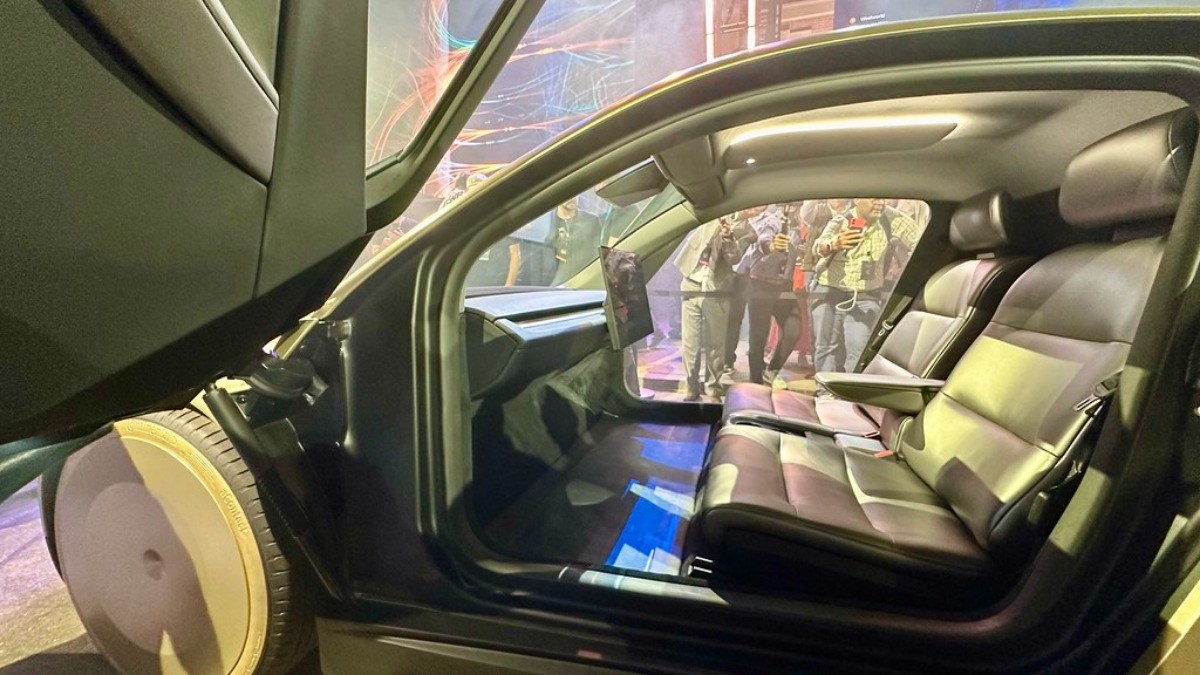

The U.S. National Highway Traffic Safety Administration opened an investigation on September 4, 2026, into whether roughly 1,000 Tesla Cybercabs were properly certified. As reported by Reuters, the probe came just one day after Tesla began commercial deployment of the two-seater Cybercab in Austin, Texas. The agency is examining the certification process Tesla used before putting the vehicles on public roads.
The Cybercab lacks a steering wheel, brake pedal, accelerator pedal, and mirrors, setting it apart from standard vehicles that carry those controls permanently. Regulators are reviewing the technical data and process Tesla used to determine that certain federal motor vehicle safety standards did not apply to a vehicle built without a human driver in mind. The absence of those controls is what makes the Cybercab a distinct case for NHTSA.
Under current law, fully self-driving vehicles do not need special agency approval if they still include traditional human controls, but removing the steering wheel and pedals changes that. NHTSA can grant petitions allowing up to 2,500 vehicles per manufacturer each year to operate without those features. The agency approved a similar petition in July for Amazon’s Zoox unit to begin limited commercial deployment of its own steering-wheel-free robotaxis.
The agency is also working to modernize the rules around driverless cars
Transportation Secretary Sean Duffy has led an initiative aimed at speeding up automated vehicle approvals. That effort includes the A2SCEND consortium, a three-year, $5 million project meant to help develop the first national performance standards for autonomous vehicles in place of the current state-by-state patchwork.
NHTSA has also been reviewing standards covering transmission shifting, windshield defrosting, and braking systems. Once those updated standards are finalized, individual exemptions for each new vehicle design may no longer be necessary, and the agency has proposed ending the requirement for manual brake pedals in self-driving cars.
State records from the morning of September 4 showed 420 autonomous vehicles registered in Texas, including 45 Cybercabs. Tesla has said it plans to expand the service to more vehicles and locations following the Austin launch, a rollout that comes after Tesla’s headlight safety dispute with the same regulator earlier this year.
NHTSA is also working to streamline its Part 555 exemption process, which lets automakers sell a limited number of non-compliant vehicles for testing purposes. NHTSA Administrator Jonathan Morrison said the agency is aiming to remove unnecessary barriers to innovation while maintaining strong enforcement oversight so the U.S. can lead in autonomous vehicle technology.
The Cybercab probe follows other recent federal reviews of driverless vehicles, including a Waymo elementary school incident that also drew NHTSA scrutiny. Tesla has not yet responded to a request for comment regarding the investigation.


Published: Sep 4, 2026 12:30 pm