


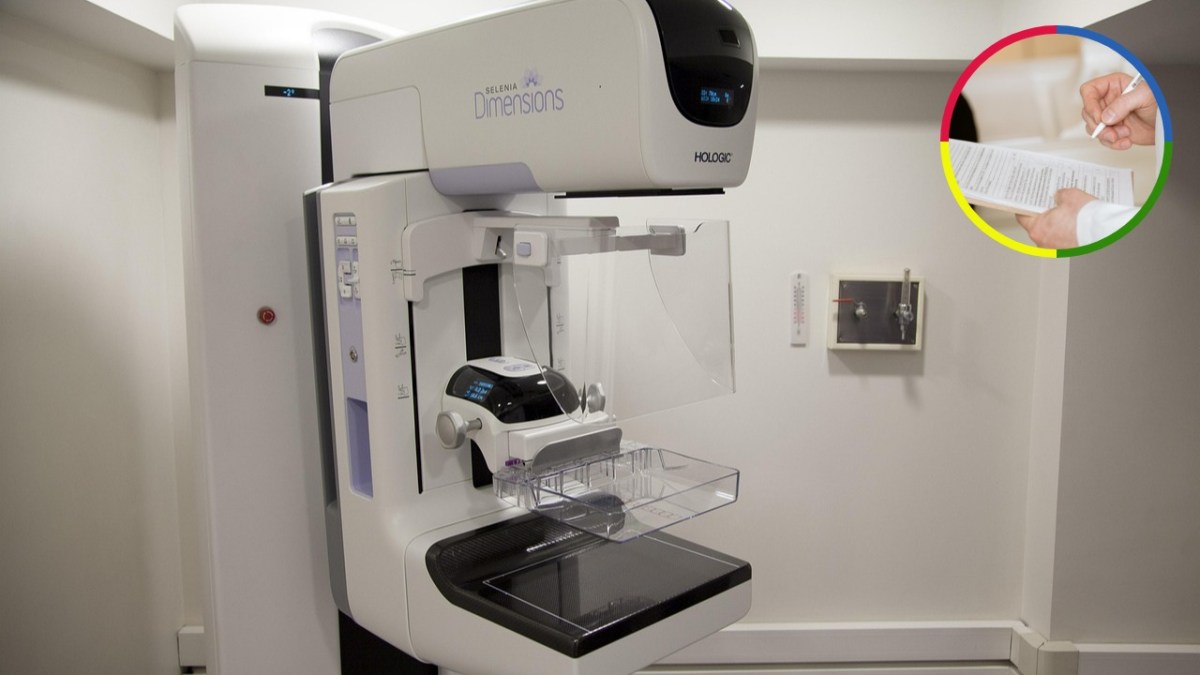

Tianzhi Xu discovered she had lung cancer after a routine mammogram revealed nodules in her lungs, despite her having no symptoms. The 31-year-old was diligent about her health screenings because of her mother’s history with breast cancer. She worked with Dr. Tran Ho, a breast surgical oncologist at El Camino Health, to maintain a regular screening schedule. When the mammogram showed the nodules, her doctor ordered a chest CT to get a better look at what was happening.
“Lung cancer wasn’t even on my radar. It was a complete, disorienting shock,” Xu tells PEOPLE. She has never smoked and stays active through hiking and biking. “Like most people, I associated lung cancer almost exclusively with smoking or obvious environmental hazards,” she continues. “As someone who lived healthily and had never smoked, the diagnosis felt surreal, almost impossible to comprehend. In an instant, the world tilts.”
El Camino Health reports that 10% to 20% of lung cancers in the United States happen in people who never smoked. The hospital group notes that Asian American women experience higher diagnosis rates. Lung cancer often shows up silently, with symptoms like a cough that will not go away, fatigue, or shortness of breath. These signs are often dismissed as viral illnesses or allergies. In this case, Xu had no symptoms at all before the imaging results came back.
Her cancer was removed through surgery
Xu already understood the fragility of health after watching her mother recover from breast cancer. This experience gave her a deep respect for proactive medical care. She credits the routine mammogram with giving her the greatest gift of early detection. After the diagnosis, she shifted her focus toward understanding the pathology and trusting the science. She underwent surgery to remove the cancer and is now on the other side of recovery.
El Camino Health uses robotic-assisted bronchoscopy to diagnose lung nodules. This technology avoids the need for invasive, high-risk surgical biopsies.
Dr. Ganesh Krishna, who directs the Interventional Pulmonary Program at the hospital, was the first person in the world to “commercially perform a robotic lung nodule biopsy using the Ion endoluminal system” in 2019. This kind of tech is vital for catching issues early when they might otherwise remain hidden during routine scans for other conditions.
Beyond the medical side of her journey, Xu learned a lot about her own personal outlook. She typically identifies as an independent and self-reliant person. However, this health crisis forced her to change that mindset.
“I have always been independent, self-reliant and strong for everyone around me. But this health crisis dismantled that armor in the best possible way,” she explains. “The extraordinary outpouring of warmth, meals, messages and care from my friends, co-workers, and medical team showed me that needing help isn’t weakness — it’s human.”
She notes that the experience taught her the importance of accepting support. “The true silver lining has been learning the grace of receiving. Letting others care for me deepened my relationships and taught me that vulnerability is its own profound kind of strength.”
For anyone else facing a similar diagnosis, she offers a message of hope. “This path is undeniably tough, but everything happens for a reason. Believe in yourself,” she says. “It might take a while to get through, but there’s light at the end of the tunnel.”






Published: Nov 23, 2026 12:30 pm