




The Puyallup Police Department in Washington recently found that a mother bird had taken up residence in the storage compartment of one of its training motorcycles. The bird, nicknamed Traffic Birdie by department staff, built a nest inside the compartment of the out-of-service bike and laid four eggs. As detailed by UPI, the department, which recently moved into a new headquarters.
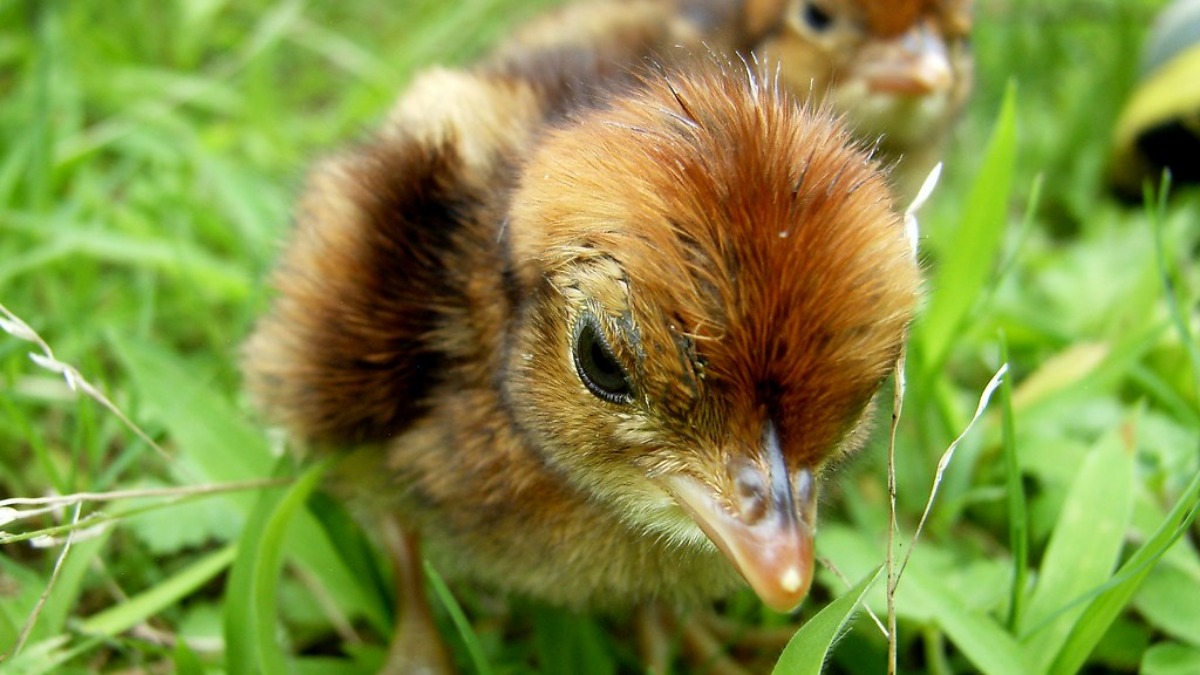
A June 8 update on the department’s Instagram confirmed that two of the four eggs had hatched. The post noted that officers and staff had been watching from a respectful distance as the family settled in, and the department said it hoped the remaining two eggs would follow, adding two more unofficial officers-in-training to the growing count.
The incident is a straightforward example of how birds can claim a stationary vehicle as their own during nesting season. Birds are drawn to warm, enclosed, and quiet spaces to lay their eggs, and engine compartments, wheel wells, and storage bays fit that profile closely. Starlings, sparrows, robins, and owls are among the species known to nest inside parked vehicles, particularly those left in place for more than a few days.
A training motorcycle turns into the department’s most unexpected nesting ground
Drivers can take several straightforward steps to prevent birds from moving in. Driving a vehicle regularly is the most effective measure, since consistent movement makes settling in impractical. Checking under the hood or inside storage compartments for twigs, grass, or debris is also worth doing periodically, and motorcycle riders inspecting their bikes closely have found all sorts of unexpected items tucked away in compartments they rarely examined.
Physical barriers offer another layer of protection. Hardware cloth or wire mesh can be fitted over larger openings in the engine bay to block entry while still allowing airflow, and these materials can be trimmed to fit most openings without interfering with mechanics.
For those who prefer natural deterrents, peppermint oil is a commonly used option. Soaking cotton balls in the oil and placing them near warm engine spots can discourage birds from lingering, though the scent needs to be refreshed weekly or after rain.
Reflective objects such as old CDs or strips of reflective tape near a parking spot can also push birds to look elsewhere. Vehicles that go long stretches without being driven are the most vulnerable to nesting, a point that surfaced separately amid viral coverage of an Uber driver’s Tesla completing a highway route without active driver oversight.
Finding an active nest requires a careful approach. Empty nests can generally be removed without issue, but nests containing eggs or chicks are protected under the Migratory Bird Treaty Act, and disturbing them can carry fines. A wildlife control professional can advise on how to handle the situation lawfully.
Nesting materials that come into contact with hot engine parts are also a fire hazard, and chewed wiring or blocked vents can lead to costly repairs.








Published: Jun 11, 2026 06:00 am