





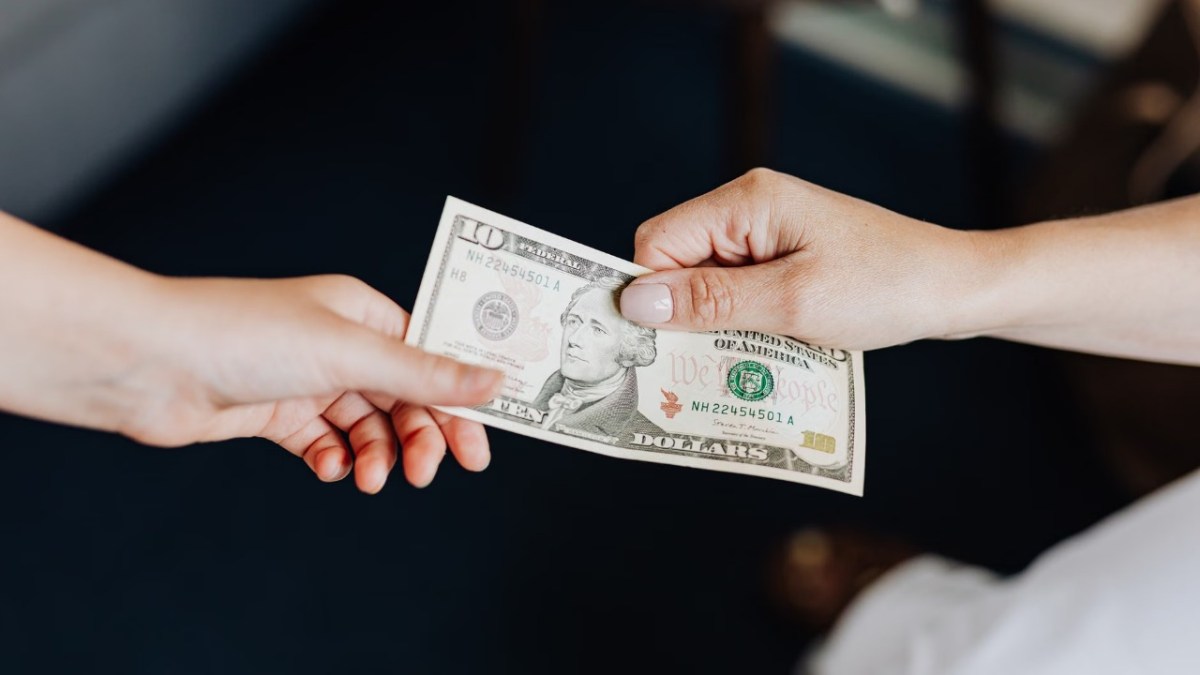
Restaurants across New York are now adding mandatory tips directly to customer bills to ensure staff are compensated. The shift comes in response to a surge of World Cup tourists who have been leaving restaurants without leaving any gratuity, a practice that is standard in the United States but uncommon in many other countries. As detailed by Dexerto, the summer tournament has brought millions of international visitors to host cities, and the clash between different cultural expectations has become increasingly apparent in the service industry.
Many European fans have been surprised by aspects of American infrastructure, such as the size of gas stations, while also struggling to navigate the social expectations surrounding dining. In the United States, tipping is considered an essential part of the income structure for service workers, while for many international visitors, leaving an additional percentage on top of a bill is not part of their usual routine.
The new standard for many establishments in host cities includes a 20% service charge automatically applied to the bottom of the bill, a change designed to remove the uncertainty servers have faced throughout the tournament. One waitress noted that while the dining experience remains high energy, it feels different because no one is leaving tips. Another worker added, “I mean, obviously they don’t tip like normal,” while a third pointed out, “They’ve already spent a lot of money to be here in the first place.”
Restaurants are leaning on automatic charges to keep paychecks from depending on tourists’ tipping habits
It matters for workers because under New York State law, the hospitality industry runs on a system where employers can meet minimum wage requirements by combining a cash wage with a tip credit. For food service workers in New York City, the minimum wage is $17.00 per hour.
Employers can satisfy that requirement by paying a cash wage of at least $11.35 per hour while applying a tip allowance of up to $5.65 per hour, according to the New York State Department of Labor. Employers cannot take a tip credit if a worker spends more than two hours or twenty percent of a shift on non-tipped tasks, and if a worker’s weekly tips average less than $3.65 per hour, the tip credit cannot be applied at all.
Some staff members say they have spent shifts explaining local tipping culture to confused visitors, though others say they are not too concerned given how large the tourists’ bills tend to run regardless. The cost of travel and ticket prices for the World Cup has been a recurring talking point among fans visiting the city, a sentiment echoed even among professional athletes. Los Angeles Rams star Kam Curl shared his own take on ticket pricing at his home stadium, saying, “It’s crazy, y’all at our stadium. It is what it is. I’ll watch on TV.”
By moving to an automated service charge, restaurants are aiming to keep staff earnings from depending on cultural misunderstandings between customers and servers. Amid a broader wave of viral disputes over tipping habits, one Florida server detailed signs of a bad tipper, including patterns she said are common among European tourists unfamiliar with the practice. Employers are prohibited from retaining any portion of a tip an employee receives, meaning the added charge is intended to go directly to staff rather than the restaurant itself.
Other tipping disputes have drawn attention well beyond New York in recent weeks. In one case, a customer left a small tip on a large bill and prompted a heated exchange with restaurant staff, an example of how tipping percentages continue to spark friction nationwide. For now, diners eating out in New York during the remainder of the World Cup can expect the added service charge to appear on their bill as part of the city’s response to the tournament’s tourist influx.







Published: Jun 25, 2026 03:30 pm