



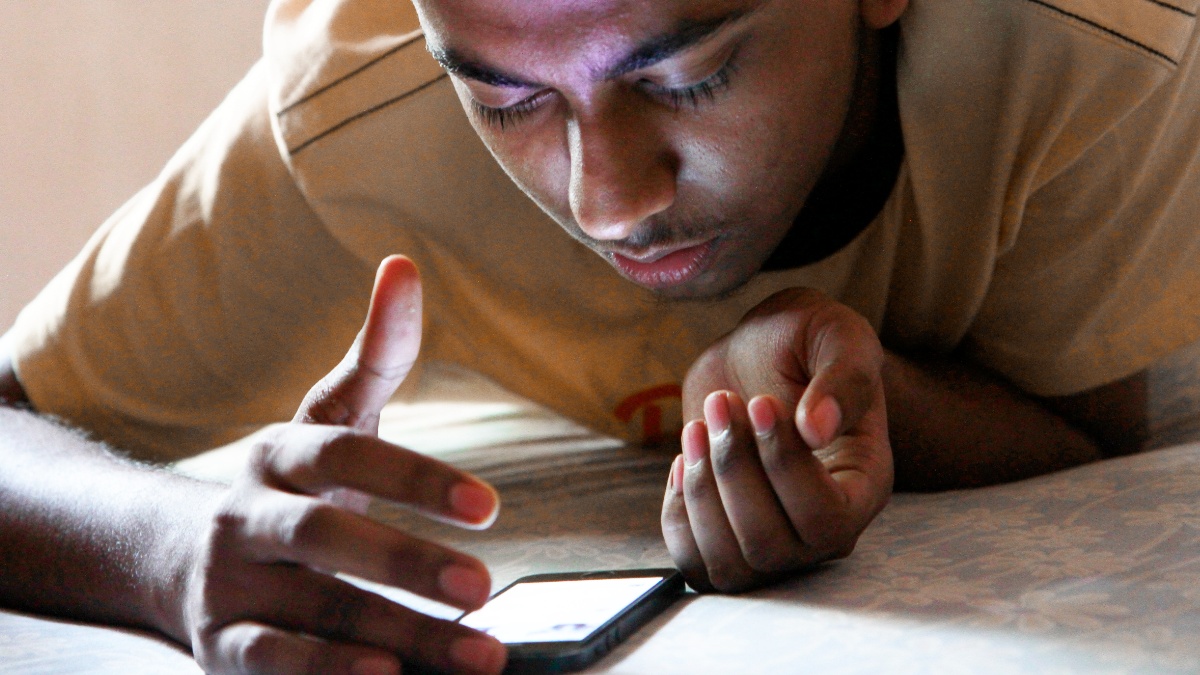

A new study has found that nearly 1 in 5 adolescents and young adults are turning to AI chatbots for guidance when they feel sad, angry, nervous, or stressed. The research, published Monday in the journal JAMA Pediatrics, highlights a growing trend in how young people navigate their emotional wellbeing using tools like ChatGPT, Google Gemini, and Character.AI. As detailed by NBC News, the findings represent a notable shift in how a generation raised on digital tools is seeking support.
The research was conducted by the nonprofit institute RAND and focused on individuals aged 12 to 21, asking whether they had used generative AI tools when experiencing difficult emotions. In early 2025, a similar survey found that around 13% of respondents were using these platforms for mental health advice. By November, that figure had climbed to 19% among the group surveyed.
One of the most striking details is the level of secrecy surrounding this habit. According to the RAND study, 63% of the young people surveyed said they had not told a single person they were using AI as a form of therapy. Lead author Ryan McBain expressed concern over the findings, saying, “It’s a sad number, because you’d hope that young people would have the sorts of supportive relationships that they would feel comfortable and empowered reaching out to those around them.”
Teens are treating chatbots like therapists, and experts say the platforms aren’t built for that
The prevalence of this behavior is now nearing the percentage of adolescents who report receiving professional mental health care. While some individuals may use both professional therapy and AI tools, researchers suspect many are turning to chatbots because they lack access to licensed professionals or face a shortage of mental health services. For others, it is simply a matter of convenience, as they are already accustomed to using these tools for daily tasks.
The vast majority of young people surveyed reported finding the chatbot advice helpful. This sentiment is echoed in online communities such as Reddit’s r/TherapyGPT, which hosts roughly 28,000 weekly visitors. Within these forums, users share tips on how to confide in AI, with some describing the bots as a “lifeline,” and one user writing that it “gave me better advice than any of my real therapists did.”
Despite those reported positive experiences, experts are sounding the alarm. AI chatbots are not designed to navigate mental health crises, yet data from OpenAI suggests that 1.2 million users indicate they are considering suicide in a given week. Dr. Jodi Halpern, a psychiatrist and co-director for the Kavli Center for Ethics, Science and the Public at UC Berkeley, emphasized that the teenage years are a critical developmental period, noting, “I never want to see the chatbots pretend that they’re human or care about you or have feelings for you.”
The industry is currently facing significant legal challenges. Some parents have filed lawsuits alleging that chatbots worsened their children’s mental health, and a California couple alleged that ChatGPT encouraged their son to die by suicide. OpenAI is also facing a federal lawsuit over the FSU shooting that resulted in two deaths, with the plaintiff alleging the company failed to implement adequate safeguards.
Florida Attorney General James Uthmeier sued OpenAI and CEO Sam Altman on June 1, 2026, alleging the platform poses a “great danger of addiction, cognitive decline, suicide, violence, and related harms” to users. In response, an OpenAI spokesperson stated the company has implemented guardrails, including crisis detection systems and parental controls for linked accounts.
McBain argues that federal regulation is essential, as the current landscape for AI chatbots is effectively self-regulated, with no safety or quality standards required by federal law. The lack of oversight mirrors broader concerns about tech platforms and online child safety standards that remain largely voluntary. While some states, including California, New York, and Illinois, have enacted policies requiring safety guardrails or prohibiting AI from acting as therapy, a national standard remains absent.






Published: Jun 1, 2026 03:30 pm