



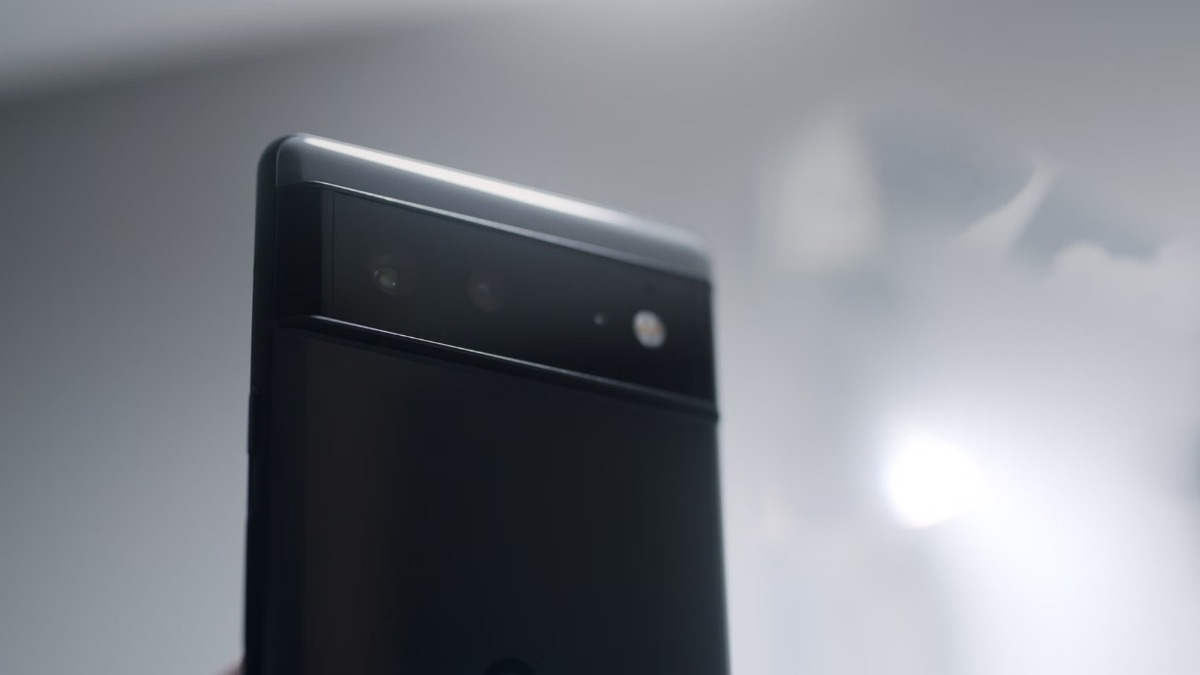

A potential Starlink AI phone has generated significant discussion online, with Google Pixel users pointing out that the hardware vision being teased resembles what they already carry in their pockets. Fans of the Pixel ecosystem have been quick to highlight that the futuristic features being discussed are not exactly new territory for Android users.
SpaceX has been on quite a streak the past couple of weeks. As detailed by UNILAD Tech, the company’s share price surged by more than 50% following its Nasdaq listing, pushing its value to around $2.78 trillion and overtaking Amazon, Meta, and Tesla. As a result, CEO Elon Musk became the world’s first trillionaire, and the speculation has since turned toward whether the company might build a dedicated smartphone that leverages the Starlink satellite network.
The discussion gained traction when Ross Gerber, CEO of Gerber Kawasaki, took to X to describe what he sees as a massive opportunity for SpaceX. He suggested that Starlink could make a truly great AI phone to compete with Apple, envisioning a device that is satellite connected with a powerful battery and an AI based operating system. He noted that users could simply tell the phone what they want it to do, and posed the question of who will make a real AI phone first, sparking a wave of responses from tech enthusiasts.
Pixel users push back on the hype
Many users were quick to chime in, noting that Google has been building this exact experience for years. Eric Nashbar, the founder of Sterio.Media, was one of the most vocal critics of the hype, stating that Pixel phones have offered similar functionality since August 2024. He said that holding down the power button instantly brings up a voice prompt to ask Gemini questions or give commands, something he claimed to use dozens of times per day, a milestone that arrived not long after Musk’s rise to trillionaire status made headlines.
When Gerber pushed back on the capabilities of current AI integration, specifically regarding complex tasks like ordering food, Nashbar provided a practical breakdown. He explained that on newer Pixel phones, like the Pixel 10 series in the U.S., Gemini uses screen automation to handle most of the process, opening an app like DoorDash or Grubhub, finding the order, and adding it to the cart. For security, he noted that it stops at the final checkout screen so the user can review and manually authorize the payment.
The concept of a Starlink phone is rooted in the company’s expanding Starlink Mobile service, which was relaunched after a trademark filing last year. Previously known as Direct to Cell, the service allows unmodified smartphones to connect to orbiting satellites rather than ground based cell towers, a significant development for connectivity in remote areas and cellular dead zones.
The first generation system already spans 650 satellites and has connected more than 16 million users to date, with the company aiming to expand that reach to hundreds of millions of devices. A push that comes amid the recent Starlink Pentagon billing dispute involving the same satellite network.
Michael Nicolls, SpaceX’s VP for Satellite Engineering, posted on X that the company expects that number to exceed 25 million by the end of 2026. He also said the company plans to launch the first batch of second generation satellites in mid-2027 aboard its Starship vehicle, adding that the goal is a constellation capable of providing global and continuous coverage within six months, made up of roughly 1,200 satellites.
While the infrastructure behind Starlink Mobile is impressive, skepticism regarding a standalone phone remains high. Some users on X argued that the Apple operating system is too dominant to be easily unseated, while another perspective suggested that a Starlink powered device might not require dedicated hardware at all, and that the underlying technology could instead be sold to iPhone users directly.
Starlink Mobile already has partnerships across six continents with providers like T-Mobile, Optus, and Rogers, positioning the company to expand connectivity regardless of whether a dedicated phone is ever built.








Published: Jun 24, 2026 01:00 pm